

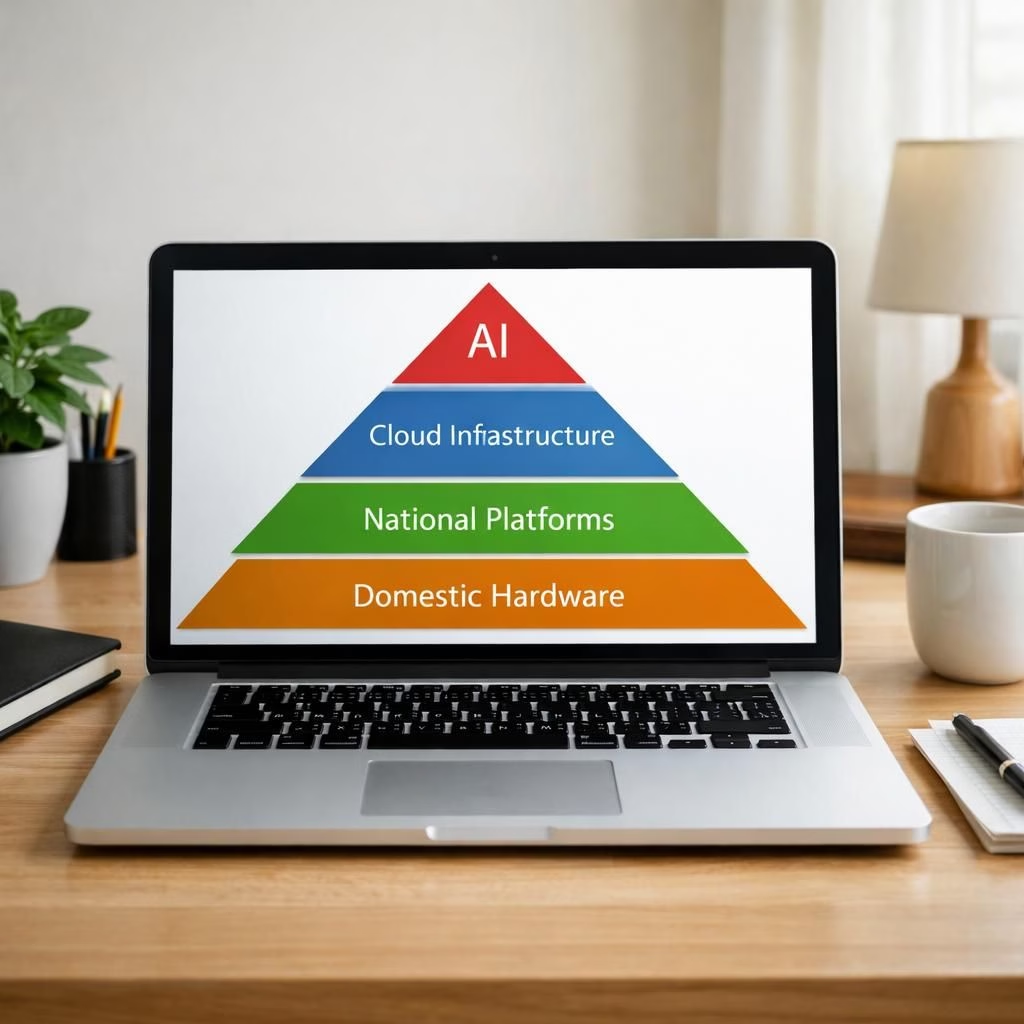
In 2026, India’s tech conversation is shifting from chasing the next AI model to building a robust, end-to-end stack—an idea Sridhar Vembu calls sovereign tech. When the Washington administration restricted foreign access to Anthropic’s Mythos 5 and Fable 5, the Zoho founder didn’t cry foul; he offered a broader blueprint: secure every rung of the technology pyramid, not just the apex. The aim is cheerful pragmatism: AI is important, but it’s just the tip of a much larger iceberg that demands time, talent, and a diverse, resilient supply chain. If we focus on the whole stack, we can guard against bottlenecks, harness global knowledge, and still celebrate the quirky, indispensable role of the people who build the tools we love to use every day.
sovereign tech: Building a full-stack blueprint for 2026
At its core, sovereign tech means developing capabilities across data centers, networks, hardware, software, and governance—from the silicon powering the chips to the policies guiding data privacy. Vembu frames this as a practical, not ceremonial, movement: you strengthen the base so the AI top can stand tall. The Trump-era restriction on Mythos 5 and Fable 5 becomes a reminder to diversify suppliers and cultivate domestic know-how. And yes, many of the pieces don’t cost a fortune to acquire; what costs time and talent is nurturing skilled engineers, persistent researchers, and thoughtful managers who can knit layers together. The story also highlights quiet but crucial players in the global supply chain—Japanese firms whose innovations in data-center components quietly keep AI infrastructure humming.
AI is only the tip of the pyramid
AI alone won’t solve the country’s tech challenges. He argues for a layered vision: keep AI R&D vibrant, but ensure we invest in every layer of the pyramid—from cooling systems to cloud software, from silicon vendors to software ecosystems. The risk of a single-model focus is tangible: a brilliant model without reliable data, governance, or power supply stalls in measurement and use. The math is simple: the pyramid stands on every brick, so we must reinforce data, standards, and talent as much as algorithms. The result is a robust, adaptable foundation that can absorb policy shifts and global shifts with less drama.
A practical push across the sovereign tech pyramid
Rather than chasing headlines, this approach invites concrete steps: expanding technical education; funding applied research; building public–private partnerships; and fostering a diverse, secure, and accessible data-center ecosystem. It also recognizes the value of smaller firms that feed into larger platforms, creating a resilient ecosystem where innovation isn’t a single sprint but a long relay. By expanding the base, the AI top becomes more reliable, and the entire tech stack grows in tandem, delivering better products for citizens and better returns for investors. In short, sovereign tech is less about slogans and more about sustainable, scalable progress across the pyramid.
What do you think about sovereign tech and the pyramid approach? Do you see India and other nations benefiting from a complete-stack strategy, or should we lean more heavily on AI breakthroughs? Share your thoughts below and join the conversation as we navigate 2026 with a mix of humor, seriousness, and optimism.
Original article: Zoho founder Sridhar Vembu on sovereign tech across the stack.
Practical steps to build the stack
- Invest in local technical education and training programs to grow homegrown talent.
- Foster public–private partnerships to fund data-center infrastructure and cybersecurity.
- Encourage domestic suppliers of critical components and diversify supply chains to reduce bottlenecks.
References
Times of India Tech News: Times of India.
External reading: MIT Technology Review and World Economic Forum on AI, resilience, and digital sovereignty.