

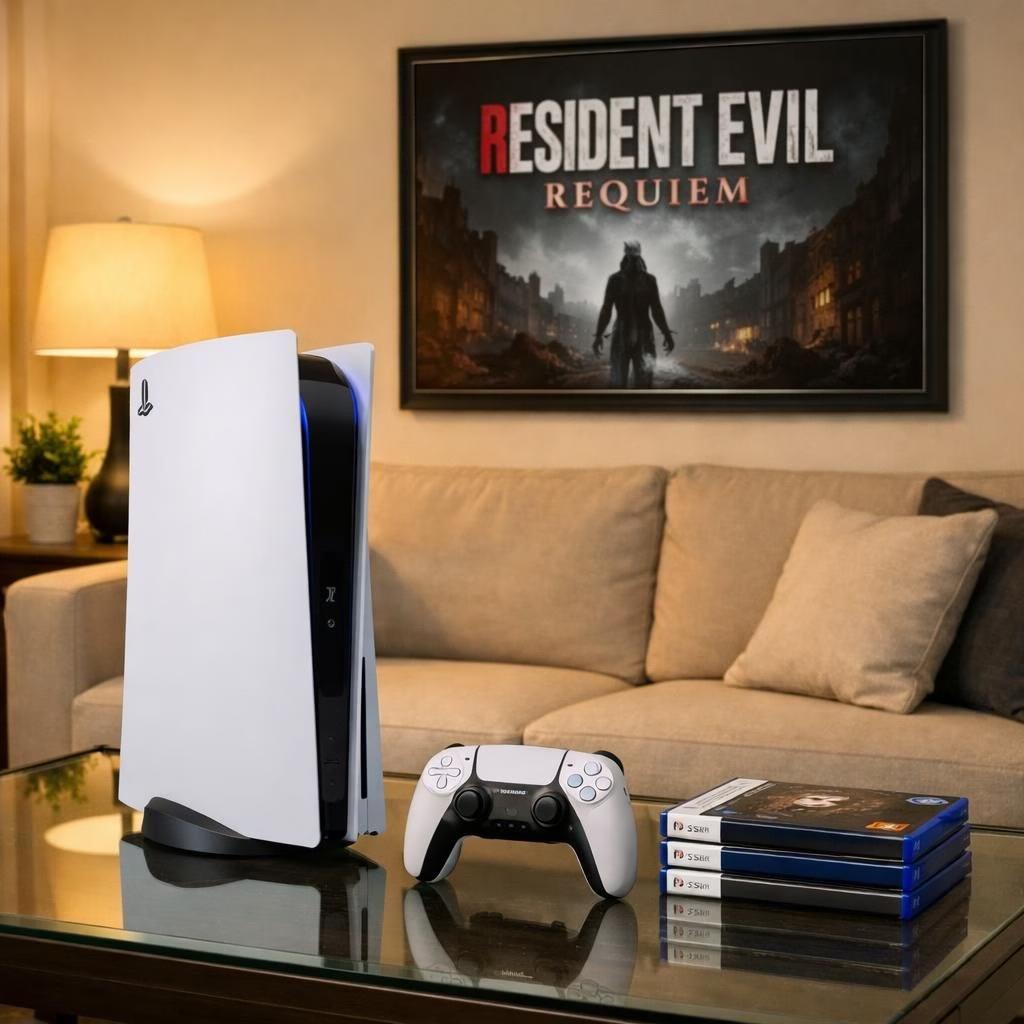
In 2026, Resident Evil and Requiem sit at the center of a lively conversation about the fate of consoles. The data points tell a cheerful story: sales rising, fans debating, and developers nudging us toward a future where survival horror lives on both screens and in memes. Yes, the headline that ‘Consoles Are Dead’ sounded dramatic, and the chatter online mirrored that flair. But the reality looks more like ‘Consoles Are Just Getting Comfortable’ as players gather around PS5s and PC rigs. In this curious year, Resident Evil experiences a broad cultural footprint, while Requiem‘s expansion proves that DLC can be a gentler, more creative neighbor than a grumpy landlord. The momentum behind these titles shows that a storied franchise can evolve without losing its core vibe, and that a healthy fanbase can keep the bar high for atmosphere, sound design, and suspense. If you listen closely, the conversations reveal a simple truth: communities rally around quality horror, thoughtful storytelling, and the playful mischief of bonus content.
Resident Evil Requiem: A Pop-Culture Survival Story
Numbers tell a narrative that feels less like a cliff and more like a well-timed cliffhanger. Capcom’s Resident Evil Requiem is part of a broader ecosystem where a story expansion, a new minigame, and a photo mode coexist with steady sales and steady memes. The PS5 continues to be the primary stage for atmospheric lighting, tactile haptic feedback, and those satisfying reload sounds that haunt players in a good way. The key takeaway is that the brand does not need to shout to be heard; it whispers through quality patches, careful DLC flavor, and a steady stream of community-created content. The conversation around Resident Evil and Requiem shows that players crave depth alongside spectacle, and developers respond with iterations that respect both novelty and history. In short: the market is not dying; it is learning to diversify the menu, keeping horror accessible while pushing narrative boundaries.
Requiem’s Quiet Impact on Game Design
Requiem‘s story expansion tightens pacing, adds character moments, and invites players to revisit familiar corridors with new intent. The minigame, while light, serves as a palate cleanser between heavier chapters, and the photo mode gives fans a keepsake without derailing suspense. Designers are balancing risk and reward: they reward curiosity with meaningful side quests, while preserving the tight, tense rhythm fans expect from Resident Evil. The approach demonstrates that DLC can extend a game’s life without diluting its core identity. In practical terms, studios can test ideas in bite-sized formats and still land a full, coherent experience. The data suggests audiences respond well when new content respects the atmosphere as much as the mechanics.
Resident Evil Marketing Mechanics and Community Feedback
Marketing around Resident Evil and Requiem leans into storytelling rather than brute hype. Memes, lore drops, and developer Q&As shape anticipation more than countdown timers. Fans rally around a shared vocabulary—creeping corridors, shadowy figures, and unforgettable soundscapes—which translates into social engagement, streams, and user reviews that feel like a chorus. The result is a healthy cycle: more visibility, more iteration, more trust. In this environment, a sensational headline about consoles does not doom a narrative; it becomes part of the joke that a savvy community can turn into a longer, richer conversation.
Gameplay, Mini-games, Photo Mode, and DLC Rumors
The actual gameplay loop around Resident Evil Requiem remains crisp. The core campaign challenges remain, but the new minigame offers a spare moment for experimentation. The photo mode invites players to frame moments of dread with a careful eye for mood, light, and composition. The DLC rumors circulate with a playful seriousness, as fans debate how new scenes might intersect with existing lore. The takeaway is simple: players enjoy depth, but they still want polish. The combination of a strong narrative backbone and playful extras helps the franchise stay relevant in 2026, without losing its signature tension.
From a technical standpoint, the game remains accessible across platforms, with performance updates that keep load times manageable and visuals crisp. A modern PS5 or equivalent PC rig gets the most benefit from improved textures and faster streaming, but the experience stands even on mid-range hardware. Accessibility options, such as scalable font sizes, color-blind modes, and adjustable difficulty, broaden the audience while maintaining the tense design that defines survival horror. For content creators and SEO-minded publishers, the story around Resident Evil and Requiem offers rich material: a steady stream of topics, update cycles, and cross-media tie-ins that generate evergreen chatter.
Yoast-friendly writing thrives on clear headings, short paragraphs, and keyword visibility. The structure here intentionally weaves the tags—Resident Evil and Requiem—through multiple sections without stuffing, preserving readability and search relevance. Keep sentences under twenty words when possible, break up dense lists, and sprinkle subheadings that keep readers oriented. The 2026 moment gives content creators abundant hooks: DLC releases, character reveals, and performance improvements to highlight in future posts.
In closing, the landscape around Resident Evil and Requiem in 2026 shows resilience, creativity, and a community that loves a good scare. The headline may have teased an end to consoles, but the real story is a thriving ecosystem that adapts, expands, and keeps players eager for the next twist. Share your thoughts below to join the conversation about what makes survival horror endure.
Original reporting and inspiration note: a big thank you to the original journalists and outlets for their coverage of Resident Evil and Requiem. Original sources linked here for appreciation: Push Square – original coverage (via Google News feed).
Practical takeaways for fans and publishers
- Look for DLCs that deepen lore without stalling momentum. DLCs that respect atmosphere tend to earn long-term engagement.
- Balance polish with novelty. A well-crafted minigame or photo mode can sustain interest between major chapters.
- Prioritize accessibility features to broaden the audience while preserving tension and design intent.
Frequently Asked Questions
- Is Requiem worth the DLC bump for new players?
Yes. A focused expansion can introduce newcomers to the world without overwhelming existing fans. - How does Requiem compare to earlier DLCs in the series?
It leans toward quality-of-life enhancements and narrative depth, rather than oversized shifts in tone. - What should publishers prioritize in future updates?
Consistency of mood, meaningful side content, and robust accessibility options tend to pay off for survival horror.