

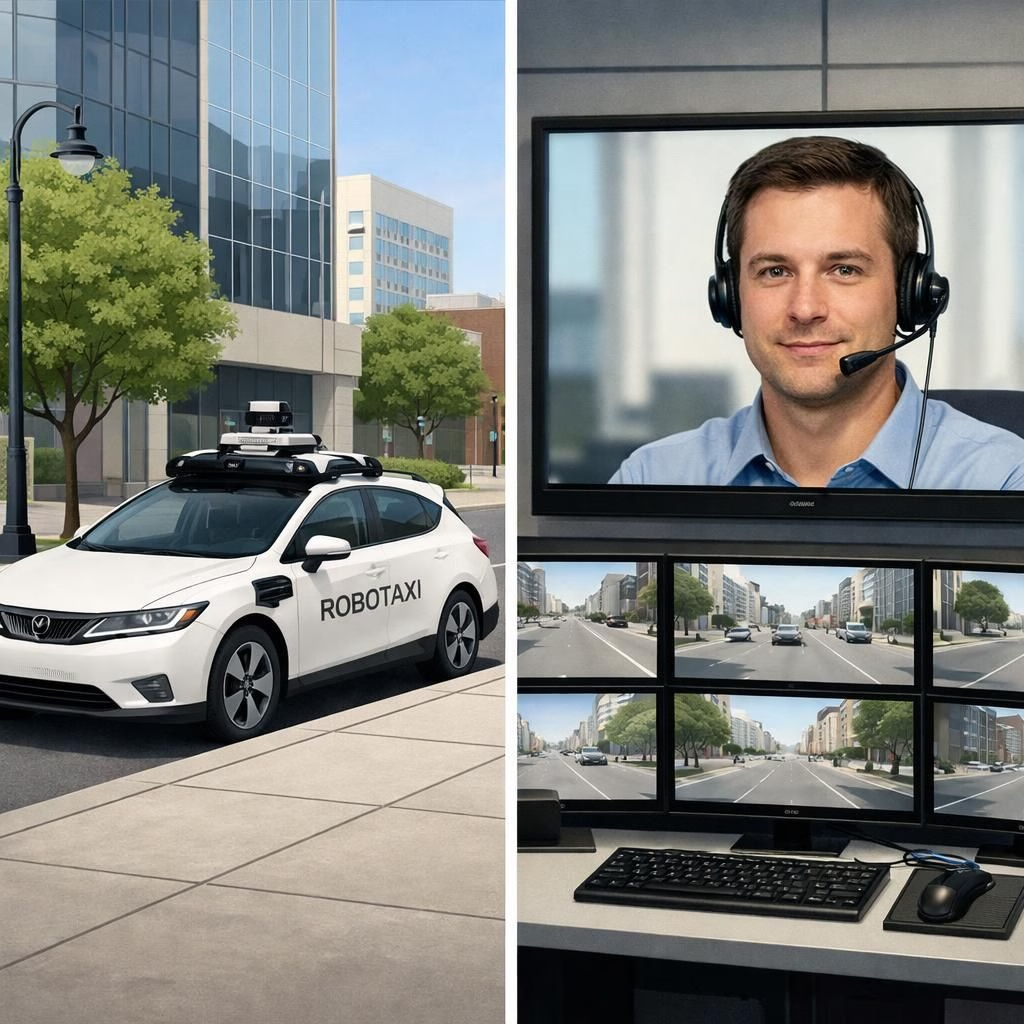
Remote-assistance robotaxis are no longer a work of science fiction. In 2026 they represent a practical safety net, with human operators ready to intervene when necessary. Tesla has confirmed that remote-assistance operators can take temporary control to guide the car through edge cases on busy streets.
They can drive at limited speeds when needed, and this safety net is deliberate, not a stunt. Zoox and Nuro described similar programs but did not reveal how often operators intervene. The core lesson is simple: humans in the loop help machines perform more reliably on real roads. This approach keeps rides safer, even if it sounds like a plot twist in a tech brochure.
remote-assistance in practice: how the loop keeps us moving
Tesla operates about 50 robotaxis, most with safety operators in the front seat. A handful of vehicles run without a person on board, relying on remote assistants based in Austin and Palo Alto. Those operators can take temporary control at speeds up to 2 mph, and they can remotely drive robotaxis up to 10 mph if the software allows it. The aim is safety, not drama; the system steps in when the car is confused or stuck. Details vary by company, and none publishes a daily usage tally. Still, the thread is clear: a vigilant human with a screen can avert trouble before it escalates.
The Wired report notes that every company uses remote assistance in tough moments. They differ on how often intervention happens. The data stream matters more than a single statistic. Latency between what the operator sees and what happens on the road can be decisive. A fast, precise signal from the network and the operator helps keep the ride safe. This is a collaboration of software and humans, not a replacement for either.
Robotaxis realism: latency, cameras, and the remote-assistance balance
Safety researchers flag latency as a real risk for robotaxis. Even a few hundred milliseconds can erase a chance to react quickly to a sudden hazard. Operators must have instant situational awareness and clean feeds. The faster the data travels, the safer the ride feels.
Tesla, however, has chosen a camera-only approach for its Full Self-Driving stack. This stance has sparked debate, especially after a few high-profile crashes and a probe by the U.S. National Highway Traffic Safety Administration in October 2025. Critics argue that eyes alone can miss important cues, suggesting a longer pause and a human tap may be necessary. Supporters say cameras keep costs down and scale more easily. Remote assistance remains a balancing force, guiding the robotaxis when sensor data falls short. The result: trips that feel safer, with fewer surprises that end near the curb.
Other firms use a broader sensor mix, including radar and lidar, but the remote-assistance layer still matters. Even a small delay can erode reaction time. Operators require clean feeds and fast communication channels. The goal is dependable safety, not mystery. In practice, riders notice continuity and reassurance: a watchful control room guiding the ride rather than leaving everything to the algorithm alone.
What riders should know about remote-assistance safety
What matters for riders in 2026 is transparency about when help may come, plus ongoing improvements in latency, reliability, and user experience. The presence of a safety operator in the loop is designed to prevent surprises and to provide a calm, human-centered backup when autonomy falters.
What does this mean for riders in 2026? Expect more transparency about when help may come, and expect ongoing improvements in latency, reliability, and user experience. The conversation will help shape practical safety guidelines for cities and regulators, and it will fuel ongoing debate about the right balance of autonomy and oversight. The road ahead is challenging but promising, especially if we keep safety front and center and preserve a sense of optimism about technology.
Appreciation and attribution: We rely on Wired’s reporting as the foundation for this piece. Original article here: https://www.wired.com/story/remote-assist-robotaxis-2026. Thanks to the Wired team for providing thoughtful material that shaped this article.
Finally, a call to readers: share your thoughts in the comments. What has your experience with remote-assistance and robotaxis been like in 2026? Your feedback helps foster a more informed discussion.
Linkback attribution: This article builds on the reporting from Wired’s coverage of remote-assistance programs in autonomous driving. Thank you for the insightful material.
References
- Original India Today linkback
- Wired coverage of remote-assist robotaxes
- NHTSA: Automated Vehicles information