

Razr fashion fans, take note: 2026 is shaping the Motorola Razr into a stylish staple rather than a novelty. The Razr lineup keeps flirting with elegance while staying wallet-friendly, proving that Razr and fashion can share a serious runway. Motorola has leaned into a playful yet practical aesthetic—one that says you can look good and feel smart about your purchase. In short, Razr and fashion aren’t just buzzwords; they’re a coordinated strategy that turns a folding phone into what feels like a lifestyle choice, not a gadget experiment.
Razr fashion milestones for 2026
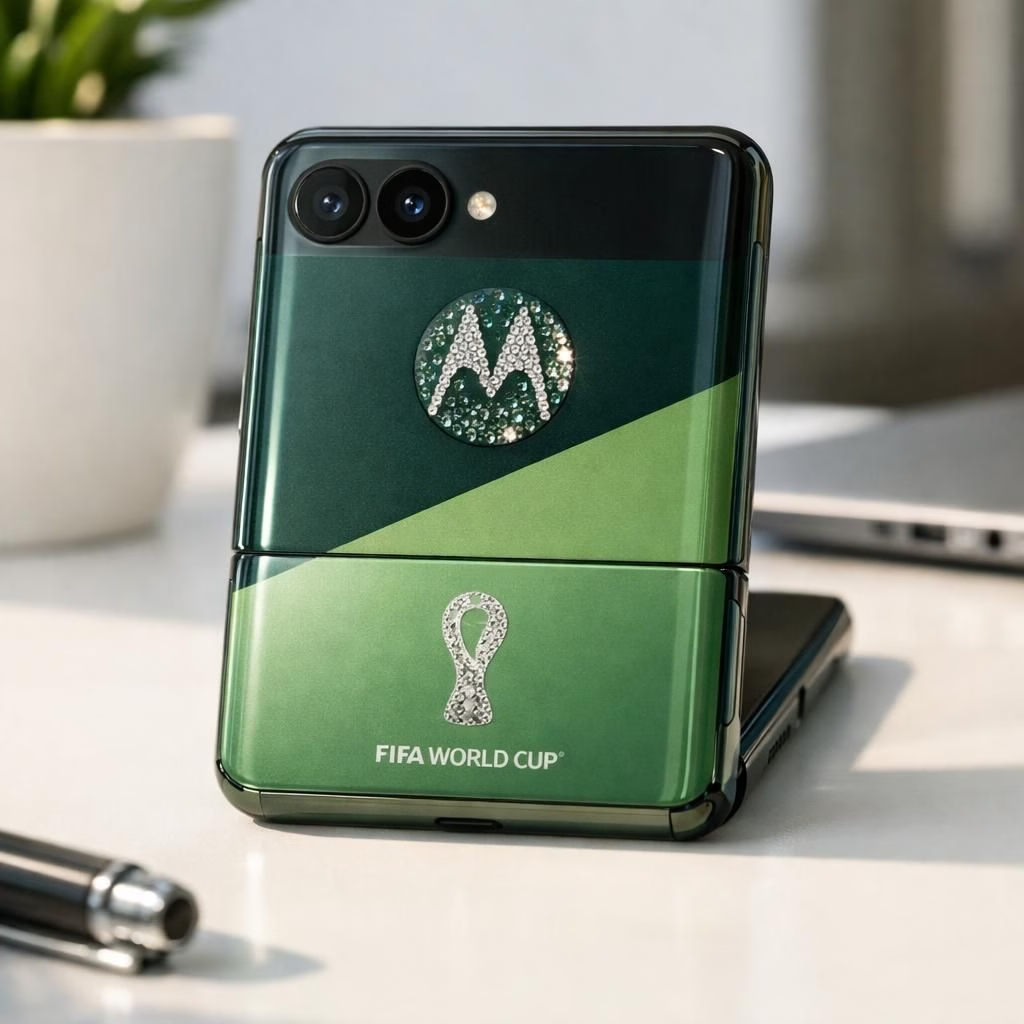
This year, the Rubik’s-cube of features on the foldable market gets a little simpler to solve thanks to Razr fashion-aware thinking. Motorola leaned into distinctive editions that spark conversation without triggering buyer’s remorse. The Swarovski collaboration returns with crystal accents that catch light the way a well-timed camera flash catches attention. Then there’s the FIFA World Cup edition, which embraces a bold two-tone green back and a software touch that nods to global events without turning the device into a museum piece.
On the pricing side, Motorola keeps the base Razr around a friendly $699, and it often dips to $600 in time-based promotions. That price point helps the Razr remain the lowest-cost foldable you can buy new, which matters in a market that rewards accessibility as much as novelty. Counterpoint Research’s latest numbers place Motorola at the forefront of foldable growth, with a sizable share that suggests consumers are buying into the mix of style and affordability. The takeaway is clear: stylish design paired with practical pricing isn’t just a niche tactic; it’s a viable path to sustained momentum in 2026.
Beyond the dollars, the design language matters. The back of the FIFA World Cup edition offers a two-tone approach that stands out in a pocket, a shoulder-bump away from the gray slab of most competitors. It’s small touches like this that convert casual interest into everyday use. The Ice Melt edition, which introduced crystals by Swarovski, speaks to the same idea: fashion can be a personal statement without requiring a different phone every season. Razr fashion isn’t about chasing every latest rumor; it’s about cultivating a look that people want on their desks, in their hands, and in their social feeds.
From a product strategy angle, Motorola has shown a knack for blending fashion-forward editions with practical, user-friendly features. The company isn’t shy about recognizing that many Razr buyers are ex-iPhone converts seeking something different, and the data suggests a steady flow of new Android adopters each year. The takeaway for 2026 is that fashion-conscious buyers want more than a pretty shell; they want a device that remains approachable as software evolves. In this sense, the Razr’s fashion-forward iterations are complemented by a steady, predictable approach to updates and support that helps convert style into lasting usability.
Meanwhile, the hardware story isn’t abandoned. The market has shown it’s possible to offer a stylish foldable without forcing a premium price. Motorola has adjusted their approach to design cues—think wood texture on the Razr Ultra last year, or the Swarovski-accented editions—because fashion is, in part, about tactile and visual moments that users remember when they pull the device from a pocket. The idea is to blend light, color, texture, and an effortless sense of fashion into a product that remains accessible. In 2026, Razr fashion successfully weds these moments with a pricing strategy that keeps it within reach for more buyers who want a distinctive look without paying flagship-level premiums.
On the topic of future design DNA, there’s buzz around a new Razr Fold edition that broadens the lineup this coming summer. The book-style Razr Fold suggests Motorola is exploring alternative form factors that still align with the same fashion-forward playbook. The goal is simple: give the market a broader canvas without alienating the loyal Razr crowd who appreciate cohesive branding and consistent software quality. If the 2026 path remains focused on accessible fashion with sensible inside hardware, the Razr foldables could stay ahead of the curve without sacrificing user satisfaction for the sake of a new name on the box.
Another thread worth noting is the content of the design language. The two-tone FIFA World Cup back, the Swarovski crystals, and the continued experimentation with textures and finishes all signal that Motorola understands fashion isn’t a one-off event. It’s a persistent invitation to express personality through a device that’s also a practical tool. The challenge, as always, is to keep that energy sustainable: to offer updates that feel meaningful, to protect privacy and security, and to do so without shouting about price every time a spec sheet lands on the desk. In short, Razr fashion in 2026 is less about chasing gimmicks and more about crafting a cohesive identity that users genuinely want to wear on a daily basis.
From a reader’s perspective, there’s something refreshing about a brand leaning into fashion without becoming a costume shop. The mix of limited-edition looks, practical updates, and price-conscious offers suggests Motorola is listening to real-world concerns: value, style, and longevity. The balance isn’t perfect, but the tone is promising. If Motorola can keep the pace and maintain a clear, user-friendly upgrade path, Razr fashion could become a durable, recognizable niche within the broader Android ecosystem, rather than a temporary trend.
So what’s next for Razr fashion in 2026? Expect a blend of tasteful collaborations, practical storage and performance improvements, and continuing efforts to make the foldable experience feel natural for both new Android adopters and long-time fans. The goal remains simple: a stylish phone that doesn’t price itself out of reach, while offering features that matter in daily life. It’s a tall order, but the current runway shows it’s possible when fashion meets function with a wink and a nod to user needs.
If you’re enjoying the current direction, tell us what Razr fashion moments you’re most excited about this year. Do you want more limited editions, longer software support, or a bigger emphasis on ease of use for switching from iPhone? Share your thoughts in the comments below and join the conversation about where Razr fashion is headed in 2026.
Original article inspiration: Thank you to the original author for the material and ideas.
Razr fashion meets price and practicality
The mid-range positioning isn’t an accident. The Razr sits between premium flagships and budget devices, trading a bit of raw horsepower for a much stronger value proposition that still includes a premium feel. The 2026 roadmap hints at even more practical design updates: slightly larger storage options for the base model and a continued emphasis on a smooth, snappy experience for everyday tasks. The focus on a compelling balance between style and performance keeps Razr fashion relevant in a world where price erosion can erode perceived value just as quickly as it erodes the price tag.
One recurring thread in the conversation around Razr fashion is user experience for Android-to-iPhone switchers. Motorola has demonstrated a clear effort to make transitions smoother by supporting direct eSIM transfers from iPhone to Android in newer OS iterations (iOS 26 and Android 16 are mentioned in whispers and official notes alike). Quick Share’s expansion to include some Apple AirDrop-like capabilities in Pixel and Galaxy devices brings the ecosystem closer together, easing the migration path for curious iPhone users. For Razr owners, this means less friction when adopting a foldable that wears fashion with purpose rather than fashion as an ornament.
That said, there’s still a note of realism to the conversation. A few early switch attempts by real users highlight that software transfer experiences can vary, and some polish is still needed to turn “this is cool” into “this is my daily driver.” Motorola’s response here is pragmatic: extend software support window and keep updates timely, rather than chasing top-tier specs that inflate price. In other words, Razr fashion can stay relevant by being useful, not just pretty. The current software cadence—several years of updates, with a longer horizon for security—points toward a sustainable model that could satisfy both fashion-minded buyers and practical users alike.
Meanwhile, the hardware story isn’t abandoned. The market has shown it’s possible to offer a stylish foldable without forcing a premium price. Motorola has adjusted their approach to design cues—think wood texture on the Razr Ultra last year, or the Swarovski-accented editions—because fashion is, in part, about tactile and visual moments that users remember when they pull the device from a pocket. The idea is to blend light, color, texture, and an effortless sense of fashion into a product that remains accessible. In 2026, Razr fashion successfully weds these moments with a pricing strategy that keeps it within reach for more buyers who want a distinctive look without paying flagship-level premiums.
On the topic of future design DNA, there’s buzz around a new Razr Fold edition that broadens the lineup this coming summer. The book-style Razr Fold suggests Motorola is exploring alternative form factors that still align with the same fashion-forward playbook. The goal is simple: give the market a broader canvas without alienating the loyal Razr crowd who appreciate cohesive branding and consistent software quality. If the 2026 path remains focused on accessible fashion with sensible inside hardware, the Razr foldables could stay ahead of the curve without sacrificing user satisfaction for the sake of a new name on the box.
Another thread worth noting is the content of the design language. The two-tone FIFA World Cup back, the Swarovski crystals, and the continued experimentation with textures and finishes all signal that Motorola understands fashion isn’t a one-off event. It’s a persistent invitation to express personality through a device that’s also a practical tool. The challenge, as always, is to keep that energy sustainable: to offer updates that feel meaningful, to protect privacy and security, and to do so without shouting about price every time a spec sheet lands on the desk. In short, Razr fashion in 2026 is less about chasing gimmicks and more about crafting a cohesive identity that users genuinely want to wear on a daily basis.
From a reader’s perspective, there’s something refreshing about a brand leaning into fashion without becoming a costume shop. The mix of limited-edition looks, practical updates, and price-conscious offers suggests Motorola is listening to real-world concerns: value, style, and longevity. The balance isn’t perfect, but the tone is promising. If Motorola can keep the pace and maintain a clear, user-friendly upgrade path, Razr fashion could become a durable, recognizable niche within the broader Android ecosystem, rather than a temporary trend.
So what’s next for Razr fashion in 2026? Expect a blend of tasteful collaborations, practical storage and performance improvements, and continuing efforts to make the foldable experience feel natural for both new Android adopters and long-time fans. The goal remains simple: a stylish phone that doesn’t price itself out of reach, while offering features that matter in daily life. It’s a tall order, but the current runway shows it’s possible when fashion meets function with a wink and a nod to user needs.
If you’re enjoying the current direction, tell us what Razr fashion moments you’re most excited about this year. Do you want more limited editions, longer software support, or a bigger emphasis on ease of use for switching from iPhone? Share your thoughts in the comments below and join the conversation about where Razr fashion is headed in 2026.
Original article inspiration: Thank you to the original author for the material and ideas.
Practical notes: price, updates, and accessibility
The mid-range positioning continues to be a strategic anchor for Razr. Motorola markets a premium feel with a price that remains approachable, especially against higher-end flagships. The roadmap hints at straightforward storage bumps for the base model and a focus on smooth daily use—no dramatic price hikes required to maintain momentum. This balance between style and practicality helps keep the brand relevant in a market where value matters as much as novelty.
For readers who care about switching from iPhone, Motorola’s progress on software support and data transfer is meaningful. The goal is to make the path easier, not just to offer tech specs that raise the price. If the company can extend updates and improve transfer flows while keeping the experience cohesive on the Razr, fashion-conscious buyers will feel confident about long-term use.
What does all this mean for buyers in 2026?
- Style remains a differentiator, but it’s paired with practical pricing.
- Software updates and security matter more than sheer horsepower.
- Future editions like the Razr Fold broaden the lineup without losing brand coherence.
FAQ
-
What’s the core idea behind Razr’s 2026 fashion strategy?
A: It blends fashionable editions with accessible pricing and steady software support, aiming for everyday usefulness as well as style. -
Will the Razr stay affordable as hardware evolves?
A: Motorola has kept a mid-range stance, focusing on value rather than premium-only pricing, while expanding practical storage and usability features. -
How can switching from iPhone to Razr be smoother?
A: Improvements in eSIM transfers and cross-platform sharing help, with ongoing updates to keep the experience cohesive. -
When is the Razr Fold expected?
A: Motorola has signaled a summer release window for the Razr Fold, expanding the lineup for fashion-minded buyers.
Conclusion
In 2026, Razr fashion wins by balancing a distinctive look with everyday usability and thoughtful pricing. If Motorola can keep delivering meaningful software updates, practical hardware refinements, and approachable transfers from iPhone, the Razr could become a durable, recognized lifestyle choice rather than a seasonal novelty. Consider your daily needs, then watch how future editions aim to blend personal style with real-world value.
References
- Counterpoint Research — foldable market context
- The Verge — general insights on foldables and user experience
- Android Authority — coverage of Motorola devices
- Original source linkback: https://www.cnet.com/tech/mobile/motorolas-razr-is-so-close-to-its-iphone-moment/