

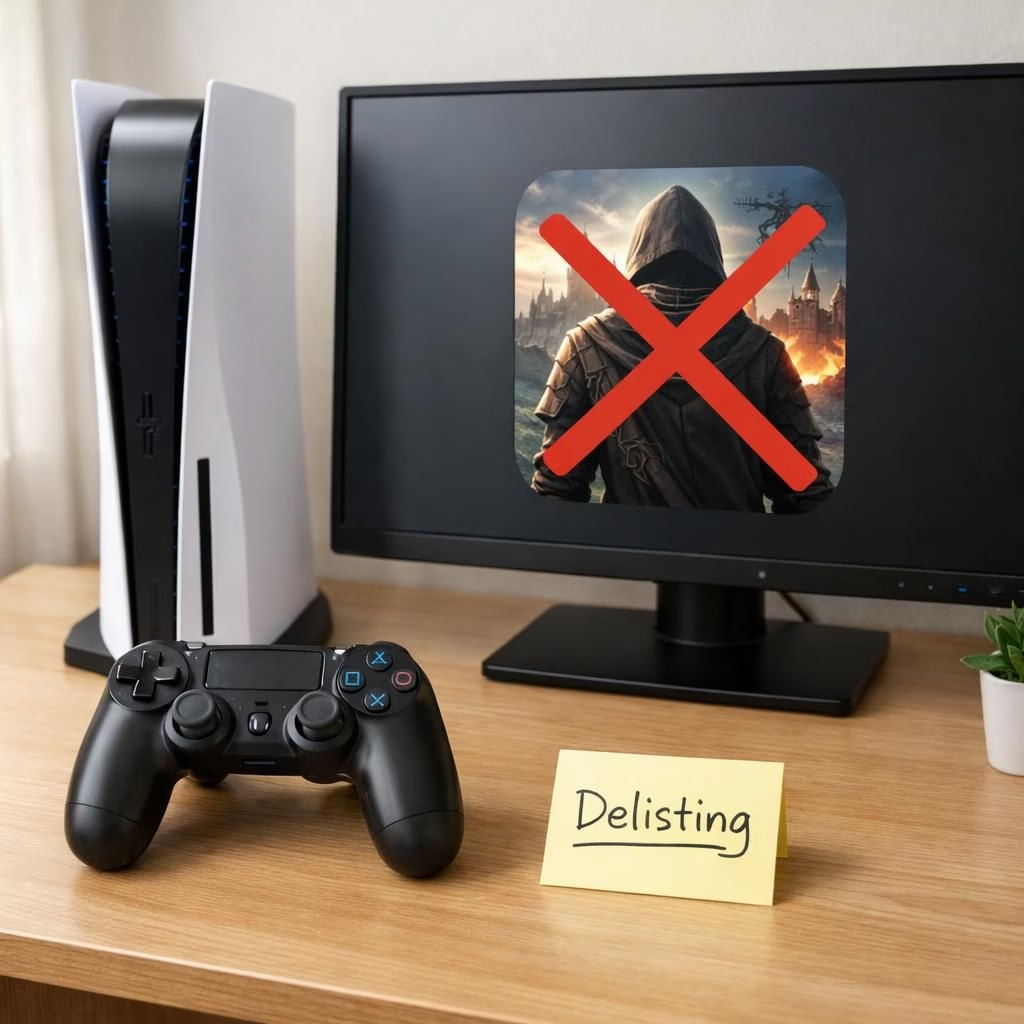
In 2026, the PS5 Delistings trend meets the quirky Jesus Simulator, turning a store shakeup into a playful, teachable moment for gamers. The tone stays light, and curiosity remains high.
PS5 Delistings: a store reality check
When a title disappears, players might ask: did the game deserve a shelf life, or did a contract wheel spin too fast? The answer is often a blend of market reality and nostalgia. The PS5 Delistings push us to think about licenses, evergreen titles, and patch notes shaping a catalog that changes with the wind. Jesus Simulator, for example, became a case study in how niche humor interacts with licensing calendars. Delisting notices are short, but they leave behind a memory trail that handy fans bookmark for later.
For fans and critics, the headline about PS5 Delistings is a reminder that nothing is permanent in a digital shop. Jesus Simulator, a game many joked about on launch days, has joined the list of delisted curiosities, a small anecdote about how taste and licensing evolve faster than firmware updates.
Jesus Simulator in the spotlight
In this era of the PS Store, delistings are not just a footnote. They reveal licensing windows, strategic catalog focus, and a desire to keep players engaged with newer content. The process can feel abrupt, but it also pushes the community toward smarter purchases and more flexible ownership. PS5 Delistings remind us that the digital shelf is a living thing, not a static museum. Jesus Simulator, to keep the balance, reminds us that quirky titles can become cultural moments even as they fade from a list.
Meanwhile, developers and publishers watch closely. Some grin at renewed focus on evergreen classics; others sigh over missed revenue and the effort to keep a catalog evergreen. The reality is that the PS Store is a living shop, not a museum with a gift shop. The delistings provoke better curation, clearer licensing windows, and often surprising rediscoveries in blog posts and retro guides. In this sense, PS5 Delistings can push the conversation toward user-centric store design and transparent licensing, while inviting the community to share its own memories of vanished games.
Jesus Simulator in the spotlight: what fans should know
What should a modern gamer take away from this? First, expect occasional shifts in availability and plan accordingly. If a title mattered to you, grab a digital copy before it drifts into the abyss of a delisted list. Second, use wishlists and local backups when possible, especially for indie curios and quirky simulations like Jesus Simulator. Third, appreciate the lighthearted framing of the news. The jokes about a faith-themed indie title sit beside earnest discussions about licensing and revenue models. The result is a balanced view that helps non-technical readers feel included and motivated to stay informed about the PS5 Delistings landscape.
For players worried about data integrity, security tips in 2026 remain simple: back up regularly, keep your console firmware up to date, and use official stores. The goal is mindful ownership in a shifting digital landscape, not paranoia or panic.
Have ideas or experiences with PS store delistings? Share your thoughts in the comments below. Your story helps paint a fuller picture of this evolving catalog.
Linkback attribution: Thanks to Push Square for the original reporting. Original article: Sony Delists 100s More Crappy PS5, PS4 Games, Including Sony Delists 100s More Crappy PS5, PS4 Games, Including Jesus Simulator. We also acknowledge coverage by PlayStation LifeStyle and Push Square.
Why Jesus Simulator matters to collectors
While the headline is playful, the underlying dynamics matter for collectors and early adopters. A delisting often signals shifting licensing windows, changes in revenue models, and a push toward newer, often digital-only assets. Even as Jesus Simulator fades from a storefront, its moment can still inform how players value quirky retro experiences and niche humor.
Practical steps for navigating delistings
- Check availability quickly. If a title is meaningful, consider grabbing a copy or adding it to your wishlist before it vanishes.
- Back up where allowed. For supported titles, maintain local copies or cloud saves to preserve progress and memories.
- Follow licenses and patches. Monitor updates that affect access, compatibility, or price changes.
FAQ
- What causes games to be delisted on the PS Store? Licensing windows, changing catalog strategy, and licensing expirations all play a role.
- Can delisted games come back? Sometimes they return after licensing arrangements are renegotiated or re-released, but there’s no guarantee.
- Does delisting affect ownership rights? Ownership remains a gray area for digital titles; purchases grant access within the terms of the store, but access can be removed if a title is delisted.
In short, stay curious, plan ahead, and treat digital ownership as a living arrangement rather than a permanent archive.