

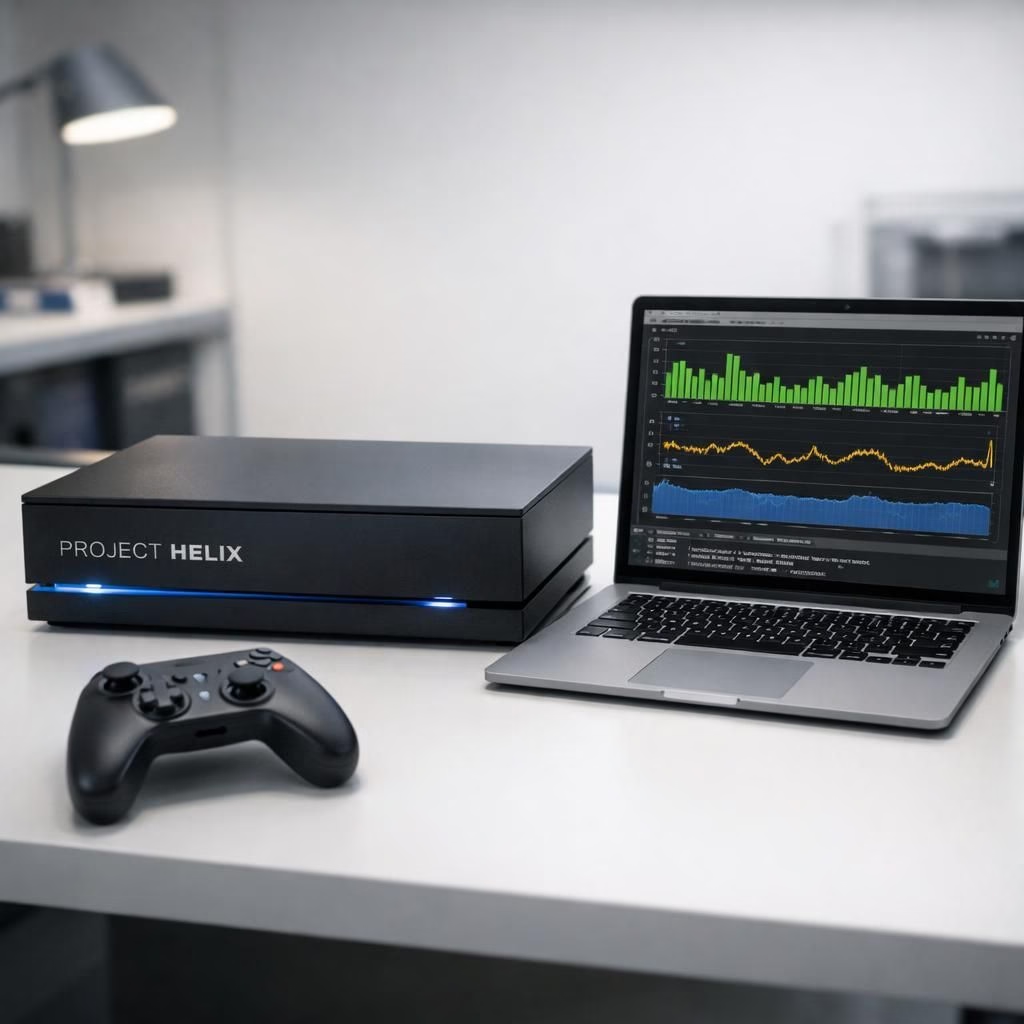
Project Helix and the Xbox teams are shaping the next generation with a calm, deliberate approach that prioritizes testing, iteration, and a long horizon for features.
The big picture is straightforward: Project Helix is the codename for the next generation of Xbox hardware. Microsoft plans to ship prototype hardware to developers in 2027 so studios can boot real dev kits, run workloads, and ship feedback that drives meaningful improvements. This isn’t marketing fluff—it’s a deliberate step to align software, tools, and hardware early in the cycle.
Coverage from Game Informer around GDC outlines a collaborative push across teams. The intent is to unlock genuine developer value by offering early access to silicon, test benches, and debugging dashboards. CNBC confirms the 2027 prototype timeline, and IGN’s GDC 2026 keynote coverage frames Project Helix as a multi-year horizon rather than a single launch moment. The Verge cautions that alpha won’t arrive until 2027, giving the generation room to breathe while staying focused on performance and reliability.
Project Helix and Xbox: The Next-Gen Vision at GDC
At the GDC stage, the vision for Project Helix emphasized a more integrated experience. The Xbox ecosystem would thread hardware improvements with smarter memory management, faster IO, and a developer-friendly toolkit. The name Xbox signals a platform that scales across devices, streaming, and PC parity where it makes sense. People who watch the hardware side know this is about reliability and sustainable improvement, not gimmicks. Project Helix and Xbox are the brand story here.
Xbox Roadmap to 2027: Prototypes, Alpha, and Developer-Friendly Hardware
The roadmap, as described by sources, centers on early prototypes delivered to developers in 2027. That means studios will get hands-on time with actual silicon, not press mockups, enabling true feedback loops. The Xbox alpha is positioned for 2027, allowing teams to test performance targets, graphics budgets, thermal envelopes, and reliability under real workloads. This is a rare moment where hardware clarity meets software ambition; the Xbox team wants to align the pipeline so games ship with fewer last-minute patches and more confidence after launch.
For developers, this shift means a more predictable, end-to-end experience. Project Helix will likely bring deeper integration between the CPU compute, GPU rasterization, and memory bandwidth, all tuned to support high-fidelity games with longer lifecycles. The Xbox hardware staff emphasize tooling that lets studios measure frame times, energy draw, and cross-platform parity early in the cycle. When the dev kit arrives in 2027, teams can run their engines, test new APIs, and preempt performance cliffs before release windows. This is not a rumor; it is a strategic push from the Xbox organization to empower developers and players alike with smoother launches and more robust updates.
From the players’ perspective, the promise is practical: richer visuals, faster load times, and a more reliable platform that handles streaming, cloud-assisted features, and PC crossplay with fewer friction points. The Project Helix plan shows Microsoft intends to keep the Xbox ecosystem cohesive across devices, while offering enough specialization for console makers and studios to innovate without breaking compatibility. The ambition is to maintain backward compatibility while opening room for new architectural ideas. In short, Xbox fans can expect a modern, future-forward experience without discarding the libraries they love.
Beyond hardware, the coverage hints at a broad toolchain upgrade. The intent is to deliver not only silicon but also the software stacks and SDKs developers need to build, test, and optimize efficiently. If the timelines hold, the 2027 prototypes won’t be a one-off tease; they will be the first real steps toward a generation that blends raw power with developer-friendly workflows. The Project Helix narrative is not a single launch moment; it is a multi-year strategy to refresh how games are built, tested, and delivered to players who crave more immersive experiences with less hassle during day-one patches.
As we watch the story unfold, one thing remains clear: Project Helix is not a single device or a one-time reveal. It is a horizon the Xbox team aims to reach with steady, measured progress. The alpha windows, the developer access, and the hardware features described in coverage all point to a more mature approach to next generation gaming. The industry often overhypes every new cycle, but this path shows a balance of ambition and discipline that could yield longer console lifespans and better software support for studios big and small.
In the end, the takeaway is clarity paired with optimism. The combination of a serious hardware roadmap and a proactive developer program suggests Microsoft is learning from current generations and applying those lessons to Project Helix. The Xbox, as a brand, remains a platform rather than a product, and the Helix initiative underscores that philosophy. If the 2027 prototypes arrive as described, developers will have a fair chance to iterate, players will see tangible improvements, and the ecosystem will feel more cohesive than ever.
We invite readers to share their thoughts in the comments as this story evolves. Your insights help shape how we understand these ambitious hardware moves and what they mean for future gaming experiences.
Original reporting and thanks to Game Informer for the original coverage of Project Helix and Xbox at GDC. For the full feature, see the Game Informer article here: Game Informer coverage of the next generation of Xbox.
Developer steps for Project Helix prototypes
- Set up your engine with the Xbox Helix SDK and the new APIs.
- Run early performance budgets focused on frame times, memory bandwidth, and thermal headroom.
- Iterate on cross-device parity and PC integration to smooth launch day patches.
- Use new debugging dashboards to identify pacing issues early in the cycle.
FAQ about Project Helix and the Xbox roadmap
- When will alpha tests begin?
- Current reporting suggests alpha tests are planned for 2027, with prototypes shipped to developers that year.
- Will backward compatibility be maintained?
- Yes, backward compatibility remains a priority to preserve game libraries and cross-generation play.
- What does this mean for indie studios?
- It should lower last-minute crunch by giving early access to tools and stable pipelines.
Conclusion: A measured horizon for Xbox and Project Helix
The path described around GDC suggests a patient, developer-focused approach that could extend console lifespans and improve game launches. If prototypes arrive as described in 2027, both creators and players stand to gain from a more cohesive, flexible platform that evolves with fewer surprises on day one.