

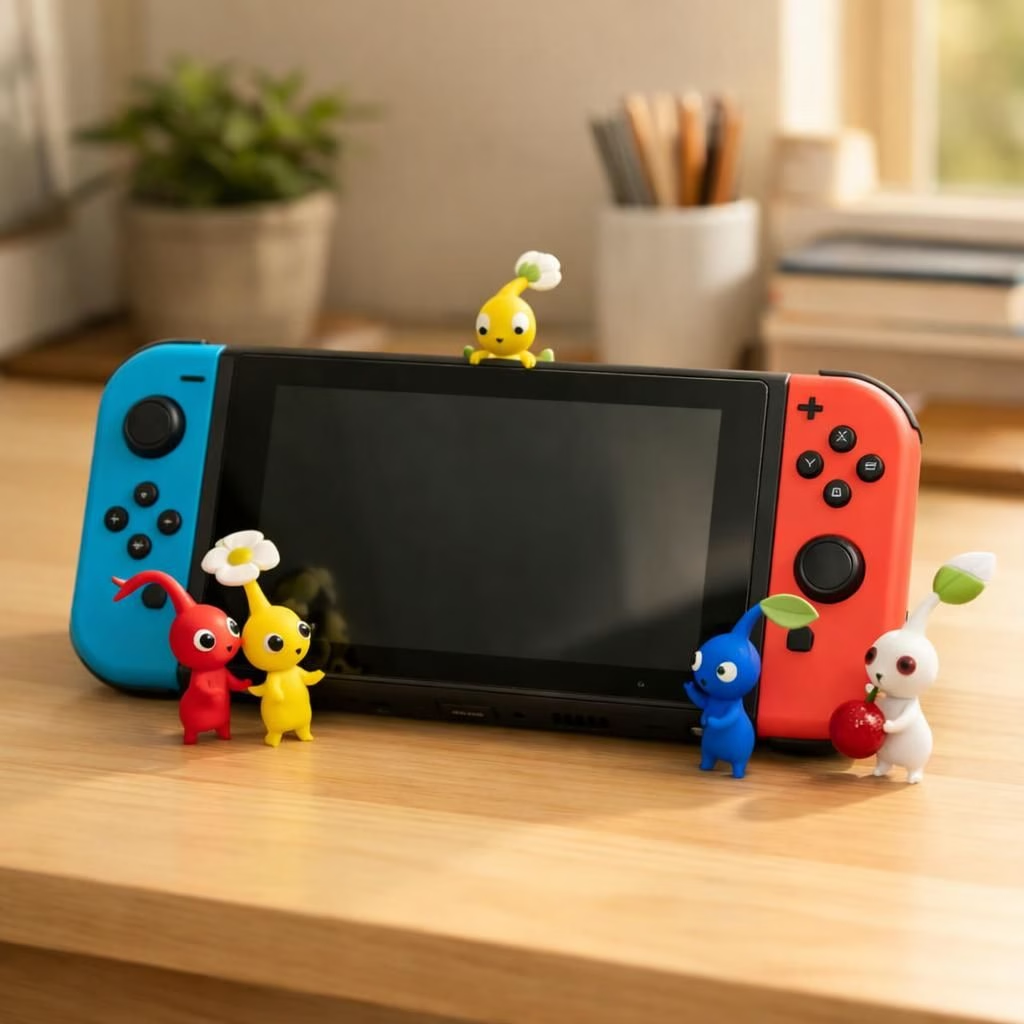
In a world where game worlds meet living rooms, Pikmin and Nintendo collide. Shigeru Miyamoto’s mission to weave Pikmin into more Nintendo products isn’t a gag; it’s a deliberate experiment in cross-brand synergy. The idea plays with whimsy, but the strategy behind it is practical: small ideas can grow big when they fit a brand’s quirks rather than chase fleeting trends.
Pikmin Across Nintendo Ecosystems
Across consoles and apps, Pikmin ideas drift from garden crawlers into broader experiences. The core principle remains simple: cross-brand presence should feel natural, not forced. For Nintendo, Pikmin becomes a design language that nudges product development toward curiosity. The effect is subtle: tiny, plant-like icons and cooperative puzzles that fit alongside long-running franchises. In 2026, this approach helps Nintendo stay relevant without losing its charm, and Pikmin serves as a friendly bridge between new releases and evergreen games.
Nintendo’s Creative Mission: Pikmin in Every Product
Here we unpack the why behind Miyamoto’s mission. The idea isn’t to cram Pikmin into every shelf; it’s to let players see connections between games and real-world experiences. A Pikmin cameo in a garden app, or a tiny Pikmin icon on a console home screen, can feel natural when done with taste. The design direction keeps cohesion: friendly colors, plant-inspired shapes, and the original Pikmin charm. For Nintendo, this strategy supports cross-pollination across hardware, software, and services, while keeping quality high and the experience approachable.
Inside the Studio: What This Means for Players
Inside the studio walls, designers weigh playful ambitions against practical constraints. The Pikmin concept isn’t a stunt; it’s a long-term bet on creating an evergreen loop: small, memorable ideas recur across platforms. Fans may spot Pikmin in unexpected places, yet the surprises stay tasteful and aligned with Nintendo‘s safety standards and accessibility goals. This balance helps maintain trust with players who care about quality, not just clever branding.
Pikmin and Nintendo synergy in future experiences
In these speculative notes, we imagine tiny changes that could appear across products. The goal is not to clutter but to delight. A plant-inspired menu ring on the Nintendo Switch home screen could guide new users to Pikmin-inspired microgames. A Pikmin co-op mode might appear in a mobile app or a mini-game in a bigger title, offering cooperative play with very accessible controls. The design language would keep safe color palettes and readable typography, aligning with accessibility guidelines while inviting experimentation. The presence of Pikmin in non-game contexts could also spawn cross-promotional events that feel like friendly neighborly nudges rather than heavy-handed marketing.
What this means for players and developers
For players, the strategy translates to familiar warmth wherever they look. For developers, it means building flexible assets that travel across products without huge rework. A Pikmin icon pack could power up themes across devices, giving teams a shared vocabulary. This approach rewards long-time fans who enjoy subtle callbacks and makes new players curious rather than overwhelmed. It also creates opportunities for small studios within Nintendo to contribute ideas that lean on the Pikmin DNA rather than reinventing the wheel. The core premise remains: keep the brand welcoming, keep Pikmin playful, and keep Nintendo‘s quality bar high.
- Asset audit: identify Pikmin-friendly motifs that align with Nintendo design language and accessibility guidelines.
- Modular kit: build plant-inspired visuals that work across games, apps, and services.
- Pilot tests: run small cross-brand experiments with clear opt-in and feedback loops.
FAQ
- What is the goal of including Pikmin in other Nintendo products?
- The aim is to create natural, memorable connections between games and real-world experiences, not to clutter the product line.
- Is this strategy risky for the brand?
- Any cross-brand approach should stay true to quality standards and accessibility, ensuring surprises feel earned and respectful.
- How does this affect players?
- Players get warm, familiar touches across platforms, plus new entry points that invite curiosity without overwhelming them.
- Could small studios contribute ideas?
- Yes. The approach opens opportunities for smaller teams to craft Pikmin-inspired assets that fit Nintendo’s ecosystem.
Original reporting and inspiration from Nintendo Life are acknowledged through this piece. Special thanks to Nintendo Life for sharing the story: Original Nintendo Life coverage.
What do you think? Please share your thoughts in the comments.
References
Original Nintendo Life coverage