

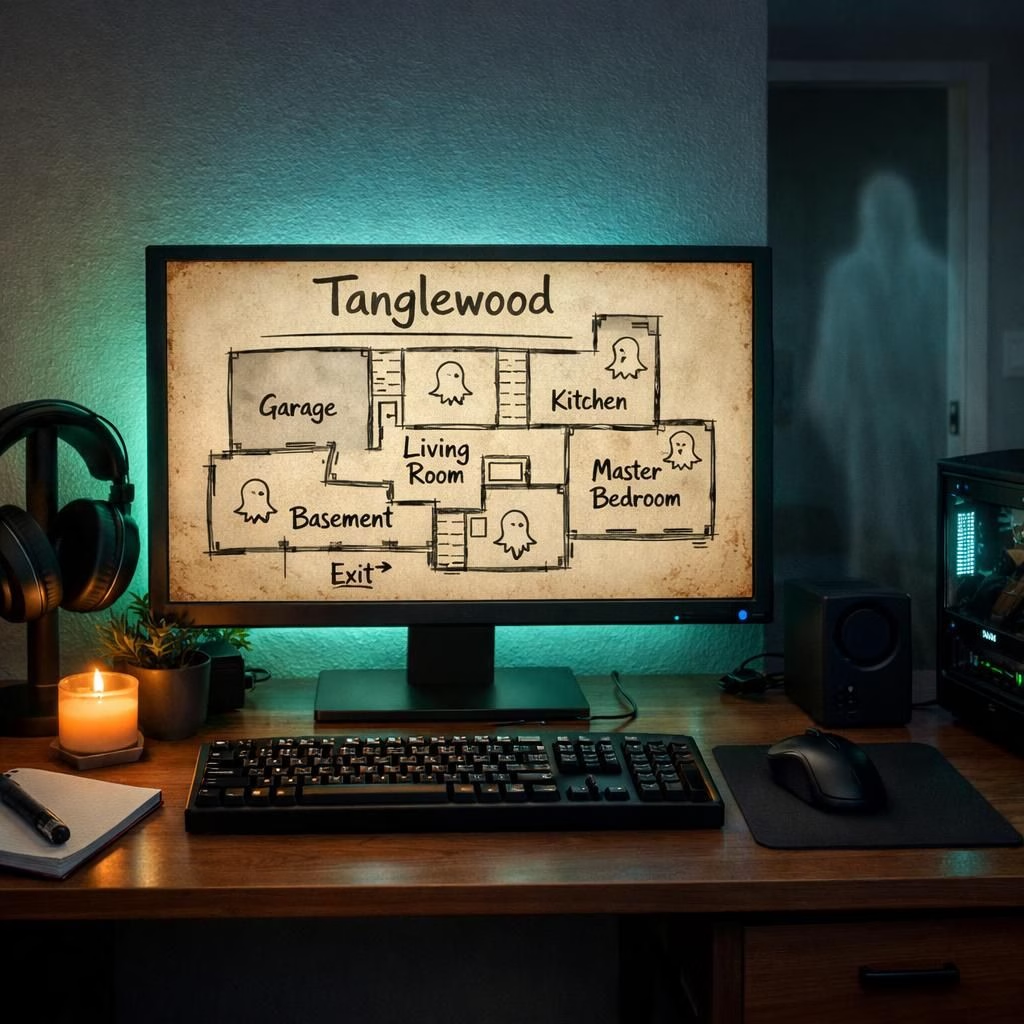
Phasmophobia and Tag B take center stage as 2026 begins, and this friendly tour through updates aims to inform without the doomscroll. The map refresh is thoughtful, not gimmicky, and the game’s atmosphere stays crisp enough to earn a grin with every chill.
For fans of the Phasmophobia concept, the big headline is not only the map refresh but the clarity of the 2026 roadmap. The community has speculated about launch dates, content cadence, and how events will breathe new life into a familiar haunted house world. The first major signal comes from the 6 Tanglewood Drive Rework Release Date Announcement, which reads like a well-timed RSVP to a spooky party. In plain terms: the rework is coming, and it’s meant to be a smart improvement, not a gimmick. This matters because Phasmophobia is built on tension that relies on trust—trust in the map, in the ghost behaviors, and in the designers who balance fear with fair play. Tag B’s revival is a case study in how to modernize a classic without erasing what made it special in the first place.
In short, Phasmophobia 2026 is about better anticipation—fewer surprises where they don’t belong, more carefully orchestrated frights, and a map family that feels cohesive. The refreshed space, with a careful balance of space and routes, helps players plan smarter runs. The roadmap points to more frequent updates and a more predictable cadence, which helps teams coordinate around events without losing the game’s signature tension.
Phasmophobia Mechanics and Tanglewood Atmosphere
The core mechanics remain intact: you gather evidence, manage sanity, and navigate a map that keeps turning the screws just enough to demand sharp teamwork. The Phasmophobia design team has dialed in a cleaner flow between exploration, risk assessment, and exfiltration. Players will notice that Tag B’s traps and sightlines have been tuned to reward methodical play, while still letting quick, confident teams pull off high-tension runs. The net effect is a game experience where Phasmophobia feels both familiar and new, like returning to a neighborhood that’s gained a few new shops and a more reliable streetlight scheme. The balance between tension and clarity is where Phasmophobia earns its keep, and the Tag B refresh helps the game stay accessible to newcomers while offering richer textures to veterans.
On the event side, the 2026 roadmap highlights the cadence of seasonal activities and a calendar that makes sense in real time rather than as a rumor mill wash. This is good news for players who track Phasmophobia content like a stock ticker, only with more chills and fewer spreadsheets. For Tag B, the key is consistency in how events land on the map. Players should expect gatherings, limited-time goals, and special ghost behaviors that feel aligned with the map’s updated architecture. In practice, this means fewer mysteries that feel random and more moments that reward patient exploration and team coordination around the new layout. The 2026 plan also emphasizes quality-of-life polish, which matters when you’re sprinting through hallways with a flashlight and a digital recorder that refuses to quit.
Tanglewood Deep Dive: What to Expect in 2026
Let’s zoom into the map itself. Tag B’s refresh preserves the map’s core identity—the creaky floors, the attic-with-a-horizon-view, the basement that always seems to breathe—but it retools sightlines and room connections so players can predict ghost encounters with greater confidence. Expect smarter spawn patterns that avoid predictable repeats and a slightly adjusted map flow that nudges teams toward more strategic routes. For newcomers, the updated map design is friendlier: fewer dead ends, clearer objectives, and a guided sense of where to go next when the tension spikes. For veterans, the changes feel like a masterclass in map design—the kind of tweaks that make you rethink old routes and discover new ones with a sense of discovery rather than frustration.
From a narrative perspective, Tag B’s updated rooms tell a more cohesive story. The layout supports more varied playstyles: squads that pin down ghosts with methodical evidence gathering, or faster teams that use aggressive rotations to corner the paranormal in a controlled chase. The result is a map that behaves as a character in its own right, shaping the rhythm of each game. In practical terms, expect to map your strategy around the revised geometry, coordinate better with teammates, and feel more confident when you push deeper into the house to retrieve crucial clues before the ghost’s next move. Phasmophobia users will appreciate how the map’s atmosphere stays intact while offering fresh angles for detection and wit in the moment.
Phasmophobia Roadmap and 2026 Launch Dates for Tanglewood
The roadmap’s transparency is a win for players who crave predictability alongside novelty. The Phasmophobia team has laid out milestones that are specific enough to feel credible but flexible enough to adapt as testing reveals new opportunities. The 2026 plan includes more frequent updates, better communication around fixes and tweaks, and a push to tighten the loop between feedback and implementation. For Tag B, the roadmap translates into a steady stream of improvements that improve flow, balance, and spooky ambiance without compromising the map’s soul. It’s a balancing act, but the result points toward a future where Phasmophobia feels like a living game that gracefully evolves with its community.
In terms of player experience, the emphasis on polish matters. Phasmophobia fans will notice fewer jarring moments as the game leans into consistent performance across hardware, smoother audio cues, and more reliable ghost behaviors. Tag B’s atmosphere benefits from these updates, turning the haunted manor into a stage where every room seems to breathe with purpose. The combination of thoughtful map design and careful pacing makes the Phasmophobia experience richer, more strategic, and just as suspenseful as ever. For new players, the shifts create a gentler onboarding that invites them to discover the map’s secrets rather than fear them out of the game.
Conclusion: Consistency Over Flash in 2026
In closing, the Phasmophobia and Tag B updates arriving in 2026 are less about a flashy feature and more about a carefully engineered experience. The game keeps its core spirit—teamwork, caution, and clever detective work—while the map refresh and roadmap deliver a more coherent arc that players can follow. If you’re keeping a mental checklist, you’ll see more consistency in release cadence, stronger map identity, and smarter integration of events that feel relevant to the current moment of Phasmophobia’s lifecycle. The result is a game that respects its roots while inviting everyone to explore new fear corridors with confidence and curiosity.
Original reporting: A big thank you to the original coverage on 6 Tanglewood Drive Rework Release Date Announcement and related Phasmophobia map updates. Special thanks to Kinetic Games and the contributing outlets for providing the foundation that lets us sit back, analyze, and enjoy the suspense. Read the source articles here: 6 Tanglewood Drive Rework Release Date Announcement. Thank you for the original material that sparked this conversation.
Would you like to share your thoughts on the Phasmophobia and Tanglewood updates? Tell us in the comments—your experience could help shape future map strategies and event ideas!
References
- 6 Tanglewood Drive Rework Release Date Announcement — Original source
- Phasmophobia on Steam
- Kinetic Games Official Site