

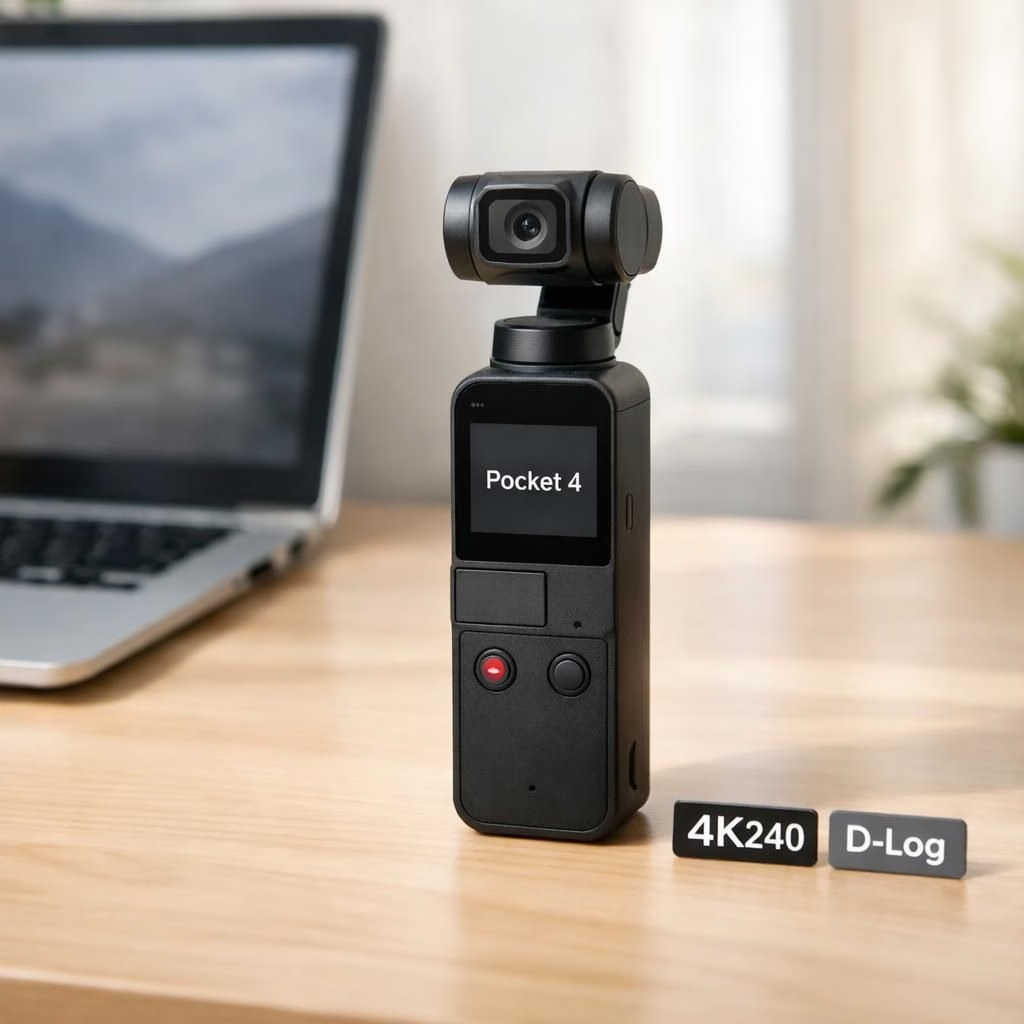
The Osmo Pocket 4 lands with 4K240 and D-Log, a tidy upgrade to the Pocket 3 while preserving the pocketable charm. Its form factor remains the same, and the 3-axis gimbal still keeps footage steady with a light touch. But the FCC status means it won’t land in the US at launch, a regulatory plot twist that makes the creator community shrug and smile at the same time.
Osmo Pocket 4 and the FCC reality for creators
On paper, the Osmo Pocket 4 is evolutionary but convincing. It keeps the Type 1 image sensor size and the familiar handheld silhouette. The big upgrade is 4K240, which unlocks super slow motion that actually looks cinematic when you practice your timing. The color workflow gets a lift too with D-Log, offering more room for color grading in post than the Pocket 3’s D-Log M. In short, it’s a tool that improves the look of your clips without forcing you to relearn your workflow.
For content creators who love a compact rig, the Osmo Pocket 4 promises cleaner motion, richer gradations, and a smoother overall feel. It remains a tiny camera with a big personality, designed to slip into a backpack or tiny studio. The same core strengths of the Pocket 3—portability, quick setup, and a tactile, cinematic vibe—are still intact. It’s not a groundbreaking pivot, but it is a thoughtful evolution that respects the constraints of a mobile shoot in 2026.
FCC status and Osmo Pocket 4 timelines for creators
The practical upshot of the FCC’s Covered List rules is that the Pocket 4’s release in the United States is delayed. The NDAA framework from 2024 created a security audit timeline that spilled into 2025 and beyond. In plain language, DJI submitted the Pocket 4 for approval, but the agency didn’t green-light it before the regulatory fog thickened. The result is a cautious market entry where order is clear and sales are paused. For casual buyers, that means you may need to source from retailers rather than the DJI store in the near term.
Meanwhile, other DJI products have shown a bit more movement. The Avata 360 drone, the Mic 3 wireless mic system, and the RS 5 gimbal have crept through FCC clearance and are seeing some US activity. It’s a small signal that not all of DJI’s creative hardware is in limbo, just the Pocket 4’s particular regulatory path. For creators who want to plan a shoot this season, the distinction matters: you can still build a kit with other approved gear while the Pocket 4 waits for the green light.
As a result, the Pocket 3 remains a strong option at a discount. If you’re budgeting for a new kit, around $500 is a tempting price for a camera that already delivers solid 1080p-to-4K performance with a recognizable gimbal setup. The Pocket 4’s numerical advantages are persuasive on paper, but the current market reality makes Pocket 3 the pragmatic pick for many creators who can’t wait for regulatory certainty. DJI’s enthusiasm for FCC-approved gear in the US market remains, but the specific Pocket 4 window is still uncertain.
Clones, policy, and Osmo Pocket 4 curiosity
Market chatter isn’t all about DJI’s official releases. The Xtra Muse shows up as a close clone of the Pocket 3, a reminder that the small-form-factor camera space invites competitors to imitate and iterate quickly. ReadySetDrone reportedly found Muse to be 99% a Pocket 3, which is both flattering and a little funny in its predictability. If Xtra or others push an Osmo Pocket 4-like device, it will escalate the ongoing conversation about value, support, and compatibility in real-world workflows. For creators, the takeaway is simple: be mindful of the ecosystem around a new form factor before you decide to bet the farm on it.
Beyond hardware, policy uncertainty continues to shape purchasing decisions. The current climate favors flexible budgeting and diversified gear lists. If you’re a creator who thrives on spontaneity, you’ll appreciate devices that don’t demand perfect regulatory weather to work smoothly. The 2026 landscape rewards preparedness and adaptability, not speculation about a single model’s availability in any particular market.
What this means for you as a creator
If you’re angling to add a Osmo Pocket 4 to your kit, there’s a path forward that honors both quality and practicality. The Pocket 3 remains a capable, more affordable option today, and its discounted price makes it accessible for new creators or those expanding their setup. The 4K240 capability of the Pocket 4 is enticing, especially for slow-motion storytelling and high-production looks, but you’ll want to balance that promise against the regulatory reality and delivery timelines. For many, mixing in newer accessories—lighting, audio, and lenses compatible with compact rigs—can often deliver a bigger overall impact than chasing the newest camera in a questionable market window.
Creators who already own the Pocket 3 should view this as a gentle nudge to upgrade only when the timing feels right. If you rely on timely gear drops for client shoots, waiting for FCC clearance is a smart risk management move. If you’re comfortable with a longer horizon, you can follow DJI’s updates and monitor the FCC proceedings for any shifts that could unlock the Pocket 4 sooner than later. Either way, the best practice remains building a flexible kit that can adapt to regulatory realities without sacrificing your story’s momentum.
In addition, it’s worth keeping an eye on non-DJI options. The landscape is changing quickly, and new entrants can offer compelling form factors, price points, or software features that align with your creative workflow. As always, test gear in your own environment before committing to a full production. It’s your story, and the right tool helps you tell it clearly—without waiting for a regulatory sign-off that may take longer than your next project.
Original article attribution: This analysis draws on PCMag’s reporting. If you’d like to read the source material in full, please visit Original article on DJI Pocket updates and FCC status.
Have thoughts or experiences with pocket cameras and the current regulatory climate? Share your thoughts in the comments; I’d love to hear what you’re testing in 2026.
Practical steps for building a flexible kit
- Start with the Pocket 3 for immediate results and cost efficiency.
- Pair with compact lighting and a lav mic for better on-the-go audio.
- Keep a small, adaptable accessory kit ready to cover gaps in a delayed Pocket 4 rollout.
FAQ
- Is the Osmo Pocket 4 available in the US right now?
Not at launch. Availability depends on regulatory clearance and timing of the FCC process, so plan with flexibility.
- Is 4K240 worth it for YouTube vlogging?
Yes, for slow-motion inserts and dramatic action — but use it strategically to avoid large file sizes and color grading fatigue.
- Should I buy the Pocket 3 now?
If you need gear today and budget matters, the Pocket 3 remains a solid choice with an attractive discount; upgrade when Pocket 4 becomes available in your region.
References
- Original PCMag article: The Osmo Pocket 4 is the first true victim of the US government’s DJI ban
- DJI Osmo Pocket 4 product page
- The Verge coverage of DJI and pocket cameras
- FCC official site