

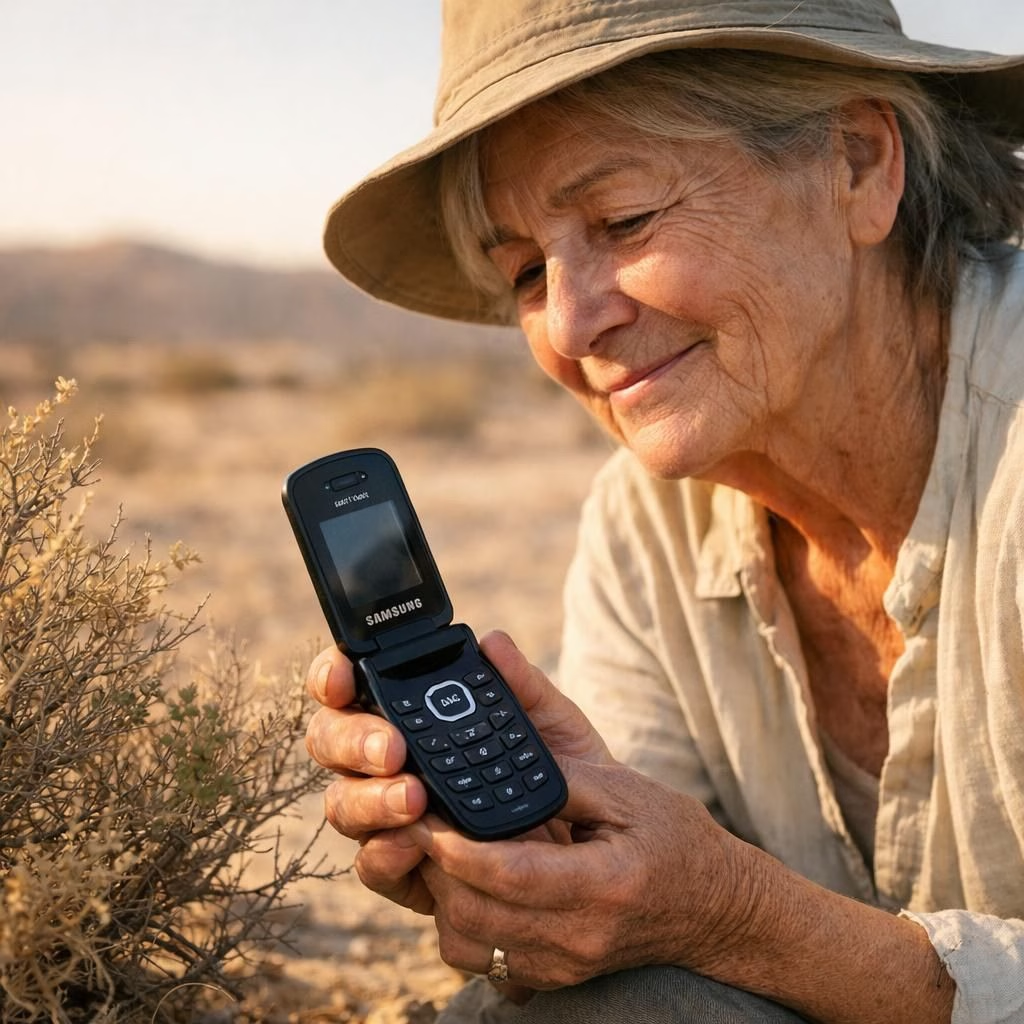
Mysteries still lure many of us into the pursuit of a puzzle, and a well-timed lost-phone moment can feel like fate nudging you toward a clue. In 2026, a retired Arizona teacher named Katie Elkin stumbled into one of those moments: a dusty flip phone found along a sun-warmed stretch of desert near Prescott. She is 84, has lived a full life, and her love for mysteries isn’t mere nostalgia—it’s a daily habit that keeps her curious and bold.
The found phone, a 2012 Samsung Gusto 2, still had life in it. When Katie got it home, she plugged in a charger from her cache—yes, she keeps drawers full of cables, because every device deserves a second chance. Little by little, the phone lit up, and a small world crawled into view: texts about a cafe job in Chicago, hints of family ties, and a last message dated a Saturday in May. The clues were faint, but they were there, and the mystery began to reveal itself.
Katie Elkin’s careful curiosity turned a simple desert stroll into a story about people who twist gravity with kindness. The phone’s warmth was a reminder that not every gadget is destined to vanish into the void of recycling. In the world of durable-tech, small devices can outlive big dreams—the Gusto 2’s tenacious spirit is a gentle nudge to consider longevity as a feature, not an afterthought. And yes, this tiny relic of technology still felt like it had a purpose, which is exactly the kind of spark mysteries crave when it knocks on the door of our ordinary days.
Mysteries and lost-phone open a window on durable-tech longevity in 2026
The drama intensified as Katie dug deeper. The phone turned on, and the screen revealed a life in text messages: a cafe worker in Chicago, a renter with sturdy links to family, and a last message stamped Saturday, May 16. The date wasn’t just a timestamp—it was a breadcrumb. Katie checked which years May 16 had fallen on a Saturday and found two possibilities, 2015 and 2020. She then used a reverse lookup on a commonly texted number and landed on a name that led her toward a connection in Chicago. The trail was slow and patient, but it was hers to follow, proof that a keen mind plus a stubborn bit of luck can turn a lost-phone riddle into a reunion.
When she finally reached Maddie, the owner of the phone, the reaction was pure astonishment. Maddie had lost the device in 2015 while hiking the same desert path Katie wandered that day. The reunion wasn’t a high-drama moment; it was a quiet, human one: two women sharing relief, gratitude, and the sense that a piece of technology can carry memories across years and miles. The Gusto’s durability—its ability to spark such a meaningful exchange after a decade of wear—became the real hero of the day. This is durable-tech in action: not flashy, not expensive, but stubbornly reliable when it matters most.
Prescott’s climate—a tapestry of seasons with chilly nights, hot days, and sudden storms—tests devices in ways modern smartphones rarely endure. Yet the Gusto 2 endured. The device’s resilience invites a small, practical takeaway: build hardware that respects rough treatment and helpful maintenance, not just sleek aesthetics. In a world where the average phone life hovers around 2.5 years, the Gusto 2’s decade-long performance is a story worth telling. It’s a reminder that durability can coexist with simplicity, and that durable-tech isn’t a slogan so much as a design philosophy that pays off in real-life patience and fewer replacements.
Samsung’s response to Katie’s tale was a blend of pride and curiosity. The company connected with Katie, curious about the lifecycle of a device that outlived its fashion. The conversation wasn’t a press release; it felt like a quiet acknowledgment that some gadgets deserve a second chapter. Katie herself treats this as a hobby rather than a mission, but the outcome—two strangers reconnected, a manufacturer recognized value in build quality, and a single phone teaching us about perseverance—reads like the kind of feel-good tech story that makes readers smile and maybe rethink their own habits.
Three practical lessons emerge from this modest saga, all relevant to the way we think about mysteries, lost-phone discoveries, and the world of durable-tech. First, follow small clues with purposeful patience; the sum of tiny data points can unlock surprising outcomes. Second, remember that devices are more than gadgets; they can be lifelines that connect people across time and distance. Third, durability is a design choice that can quietly outlast trends and reset our expectations about what a “used” device can do. In the end, the Gusto 2’s durability becomes a case study in practical resilience, not a museum piece but a working example of durable-tech doing its job in the wild.
The narrative also nudges us toward healthier consumer choices. We tend to replace devices when a single problem appears. Yet Katie’s experience shows that a little curiosity, a bit of old-fashioned sleuthing, and a willingness to plug in the right charger can revive a device, reveal a human story, and spare waste. It’s a small, hopeful argument for longevity—an argument that today’s tech world could use more of, especially when it comes to the end of a product’s first life and the start of its second.
As we wrap this up, I’ll admit a soft nostalgia for a world where a flip phone could still spark a full-blown real-life reunion, and a desert wind could become a narrative catalyst, not just a weather forecast. If a simple Gusto 2 could live a decade and still tell a tale, perhaps we all have more durable-tech potential than we think. That’s not just sentiment; it’s a reminder to treat our devices with a bit more care, a dash of curiosity, and a readiness to listen to what the clattering of keys might be trying to tell us. And yes, I’m keeping a closer eye on my own cables from here on out—you never know when a stray charger could unlock a story of your own.
Indeed, the mystery isn’t over until the last battery dies and the last message is heard. I invite you to share your own thoughts, experiences with long-lived devices, and any mysteries you’ve solved thanks to a little tech tenacity. Let’s keep the conversation going in the comments.
External context: Find My iPhone and Find My Mobile illustrate how tracking capabilities have changed how we recover lost devices, though results still depend on user habits and networks.
FAQs
- How long do smartphones typically last? Real-world lifespans vary, but many devices outlast their early marketing cycles when cared for and repaired.
- What makes a device durable in daily use? Strong chassis, good sealing against dust and moisture, and accessible parts for repair all help.
- Should I revive an old device or recycle it? If you can safely recharge, clean data, and make it usable again, revival can spare waste; otherwise, recycling is wise.
More mysteries about durable-tech
Ultimately, durability isn’t just a slogan. It’s a practical approach to thinking about what we keep, how we repair, and how stories—like Katie Elkin’s—emerge from everyday tech life.
Conclusion: a small nudge toward smarter choices
Durability can be a quiet superpower in a world of fast upgrades. If a decade-old flip phone can spark a reunion, we might all benefit from treating our devices with care, curiosity, and a readiness to listen to what the tech is trying to tell us. Consider keeping a charger longer, and maybe you’ll uncover your own mystery.