

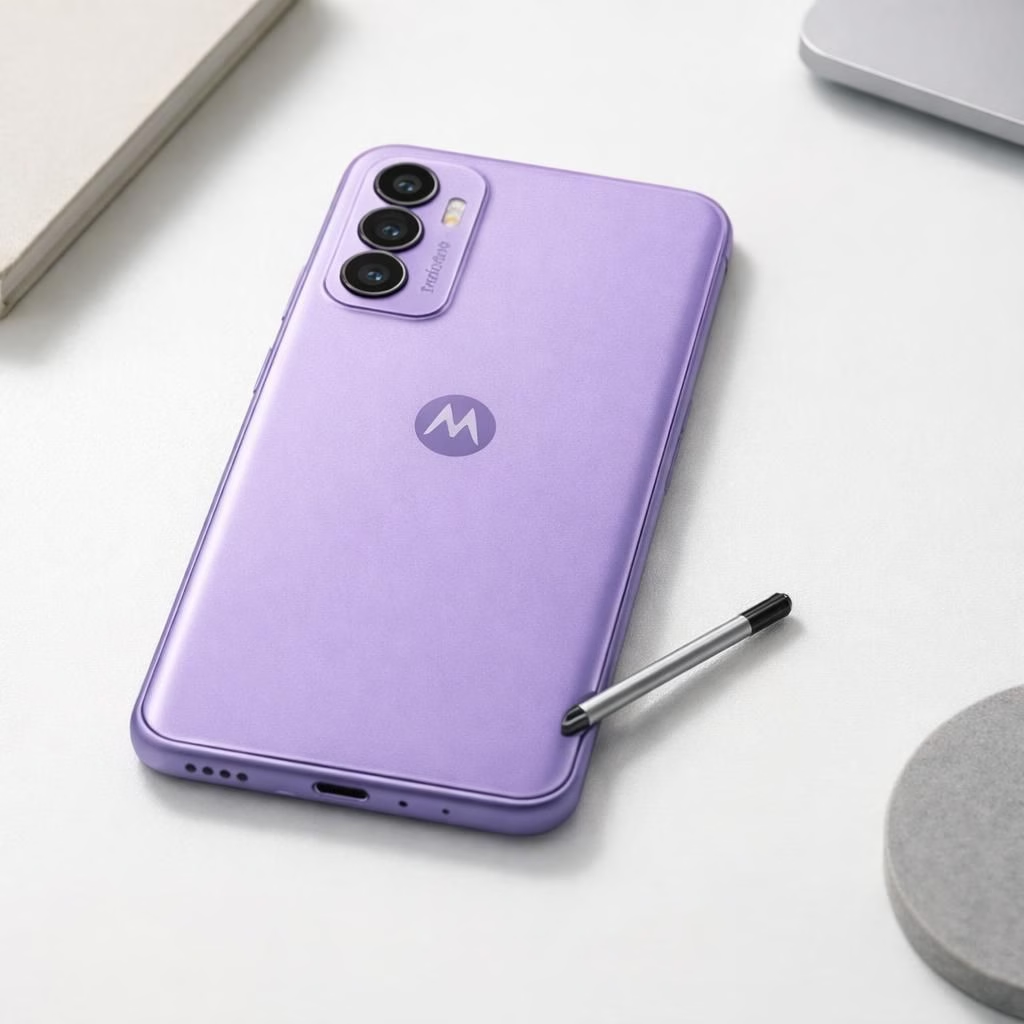
The Moto G Stylus 2026 lands with a lilac finish, a textured back, and a MicroSD slot. It even keeps a headphone jack as a badge of stubborn optimism. The Moto G Stylus 2026 promises more than a gimmick—the stylus is active, and it earns its keep with pressure sensitivity and clever features. In short, the stylus is the party trick you actually want in a midrange phone, and the Moto G Stylus 2026 wears it with a grin.
Moto G Stylus 2026: A Fresh Look at the stylus Experience
In practice, the bloatware story is where the phone gains ground. Motorola trimmed the preinstalled clutter; there is just one preloaded app folder that is actually an app, not three wild folders. The MotoHub widget privacy nightmare is gone. The weather app now clearly shows it was “developed by OneLouder Apps,” which is a welcome dose of transparency compared to last year. If an app asks to track your location constantly, you should at least be able to identify its maker without spelunking through settings for ten minutes. All of this reduces the dread and makes the stylus feel less like a trap and more like a helpful sidekick.
The price climbs to $499, up $100 from last year. Memory scarcity may be the culprit, and the move places the Moto G Stylus 2026 squarely in midrange territory. It’s not a miracle of speed, but the value proposition remains appealing to the right buyer: the active stylus, the sense of style, and the headphone jack still in the mix.

The active stylus is a thing of quiet joy: pressure sensitivity, handwriting recognition, and an option to magnify text when the stylus hovers. It’s not just a gimmick; midrange phones typically skip such niceties. The notes app supports collections, turning a chaos of random thoughts into a tidy library. The stylus experience on the Moto G Stylus 2026 feels deliberate and well integrated, and it even rivals more expensive brands in this one area.
Stylus Power and Imaging on the Moto G Stylus 2026
The camera setup is a mixed bag. The main sensor is 50 megapixels with an optical stabilizer and decent daylight performance, but colors can be punchy and red channel clipping can look overheated. The ultrawide doubles as a macro lens, which helps autofocus for close-ups. When you count the back, there are four lens-looking circles, but only two actual cameras live in the camera app. The extra lens-looking piece is a “3-in-1 light sensor” that Motorola explains helps white balance, exposure, and anti-flicker. It’s a small cosmetic trick that feels a tad cheap, even if it’s functional.
On the durability front, IP68 and IP69 ratings promise water and dust resistance. The software story, however, is more modest: only two major OS upgrades and three years of security updates are promised, and Motorola can be slow in delivering them. This is the perennial midrange trade-off: you get a unique feature (the stylus) but you trade a bit of future-proofing for price and lightness.
Under the hood, the Moto G Stylus 2026 relies on the Snapdragon 6 Gen 3 chipset and 8GB of RAM. It’s enough for daily tasks, with occasional stutters when waking from sleep or loading a new app. Flagship devices feel instant by comparison, but the stylus keeps pace for everyday use and should stay smooth for its two OS upgrades. My bigger concern is how quickly it might slow down after those updates. It’s not broken now, just not fearless.
Value-wise, the phone offers a unique proposition: a stylus that actually works, a microSD slot, and a headphone jack, all wrapped in a midrange price. It’s not a slam dunk if you chase the pixel-perfect camera or the speed of larger apps. Prices vary with discounts, but the midrange sweet spot still lives, especially if you’re drawn to the stylus experience and the nostalgia of a simpler time. If you measure against the Pixel 10A, the Google phone remains tough competition for camera quality and software cadence.
Bottom line: the Moto G Stylus 2026 is a quirky challenger that brings something genuinely different to the midrange. If you love the idea of a stylus on a day-to-day basis, this phone makes the case with a friendly hardware package and thoughtful integration. It won’t replace a flagship, but it does offer a unique mix of hardware and software that could keep you entertained and productive for longer than you expect.
Have thoughts about the Moto G Stylus 2026? Share your thoughts in the comments below.
Original article: The Verge — thank you for the original material and inspiration. Visit: The Verge.
Practical tips
- Use the active input to capture quick notes and sketches in meetings.
- Organize notes into collections so ideas don’t drift apart.
- Take advantage of the microSD slot for extra storage and a dedicated music folder.
FAQ
- Does the Moto G Stylus 2026 still have a headphone jack?
Yes. Motorola keeps a 3.5mm jack, which is a rare plus in midrange devices.
- How many OS updates does it get?
Motorola promises two major OS upgrades and three years of security updates; updates can be slow to arrive.
- Is the camera good in daylight?
Daylight photos are okay with punchy colors; the ultrawide doubles as a macro lens for close-ups, which helps with versatility.
References
- Original Verge review (The Verge)
- Motorola official Moto G Stylus 2026 page
- Android Authority review