

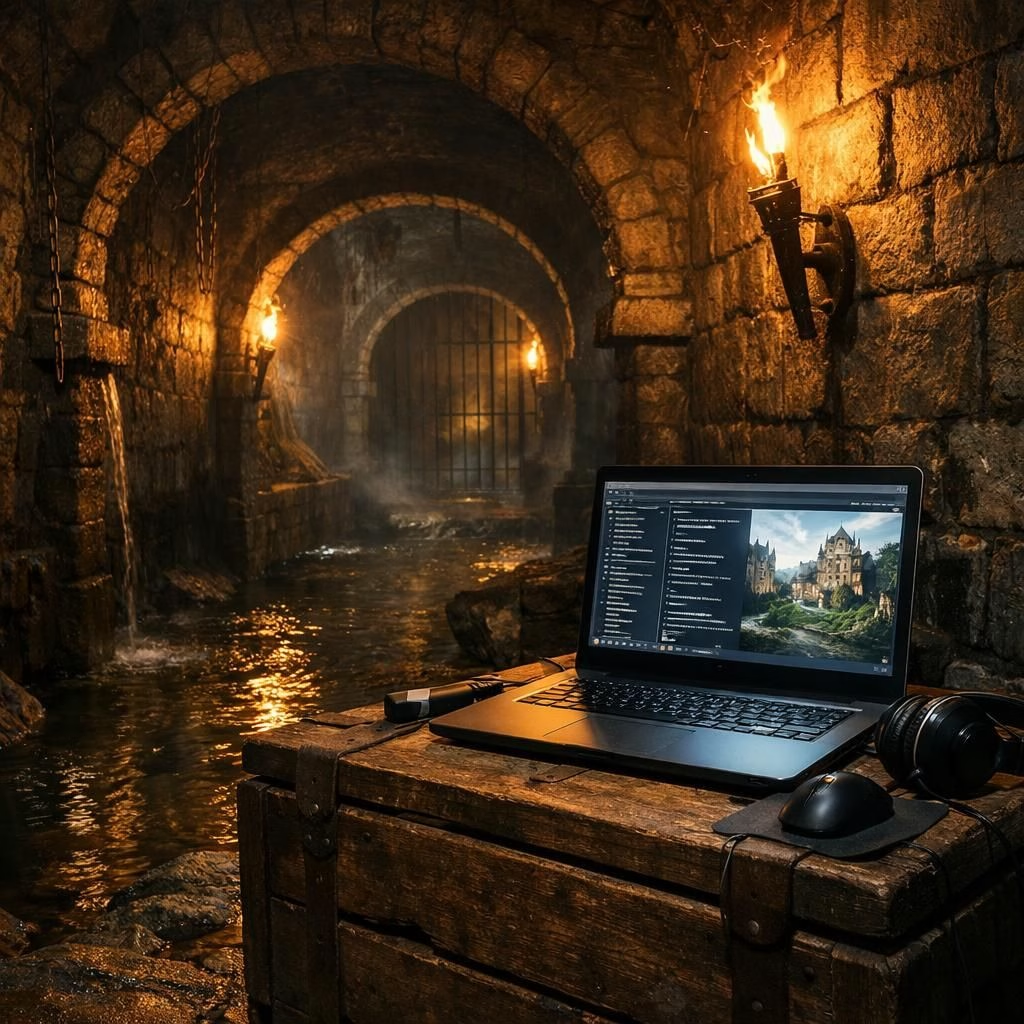
modding and sewers collide in unlikely corners as a curious modder pokes through Dark Souls II’s neglected spaces. A lone modder wields a keyboard as a flashlight, coaxing an abandoned level back to life. Kotaku originally shared the tale with a wink. This is a modding story about curiosity and patch notes, reminding us games breathe when fans share their enthusiasm with the world.
Modding in the Sewers: A Lighthearted Find
From the first discovery, the modding community lit up with curiosity. The abandoned level seems hidden behind a few coded fences; now players imagine it accessible, at least in a save file and in their minds. This project becomes a love letter to the craft: a blend of reverse engineering, careful cosmetic tweaks, and the patient art of letting a joke breathe on a screen. Kotaku’s coverage framed the moment as a playful reminder that games stay alive when fans press the right keys and share their enthusiasm with the world.
Sewers Spotlight: Modding a Dark Souls II Level
The actual areas—the sewers— are more than a backlog of water and echo; they become a canvas. The modder peels back walls, reexamines lighting, and traces corridors that might have once hosted their own micro-dungeons.
The result is a proof of concept: a glimpse of a past ambition that could have existed, or perhaps still could with the right patches. The tone remains playful: a sewer map, yes, but one that invites exploration, curiosity, and a few lighthearted jokes about slippery floors and poorly placed ladders. In short, the sewers become a tiny stage for a big idea: that communities can repurpose and reinterpret even the most stubborn game worlds.
Behind the Scenes: Tools, Techniques, and Ethics
On the technical front, the story nods to the toolkit of the modern modder: source material extraction, asset reassembly, and the careful balancing act of integrating nostalgia with modern convenience. This is not about breaking the game; it is about respecting its bones while giving the audience a chance to revisit a familiar path with fresh eyes. The ethics are simple: share the wonder, credit the original design, and avoid steps that would spoil someone else’s experience. The result is a respectful, transparent project that invites feedback and curiosity rather than anger.
Note: This section focuses on high-level concepts and community norms, not step-by-step hacking or exploitation.
What This Means for Fans and Developers
For fans, history lives in a game through the memories players attach to it. For developers, this response to a partially hidden blueprint becomes a case study in how fans can influence future design. The sewers label, once humorous, now rallies for more thoughtful level design.
Modding can bridge nostalgia and innovation, offering ideas without risking studio-wide rewrites.
Sewers Inspiration: Design Lessons for New Projects
Looking at the sewers corridors through a design lens reveals lessons that can apply to modern games. Keep corners legible but surprising. Let lighting guide the player’s curiosity rather than overwhelm it. Use sound to confirm discovery instead of shouting about it. And most of all, celebrate the small wins: a hidden switch, a corrected texture, or a corridor that finally makes sense after a dozen attempts.
The sewers prove that a modest space can carry a strong story when the modding community lends it its voice and its humor.
Practical Takeaways for Designers
- Keep a forgotten corner small but meaningful; a single switch or texture fix can rewrite a path.
- Let lighting guide curiosity through the space, especially in sewers.
- Balance nostalgia with modern usability, credit original creators, and invite feedback.
Conclusion and Call to Action
As we celebrate the spirit of exploration and the shared joy of modding, we invite readers to share their own observations and ideas. Have you ever found an abandoned or underused corner of a game you love, only to see it gain new life through fan work? If so, your thoughts belong here. Let’s discuss how small discoveries can add up to big conversations about game history, player creativity, and the evolving relationship between developers and fans. Modding and sewers, in spirit if not always in code, remind us that curiosity is the real engine behind great games.
Original article (thanks to Kotaku): Modder Discovers Abandoned Dark Souls II Level: Even More Sewers.