

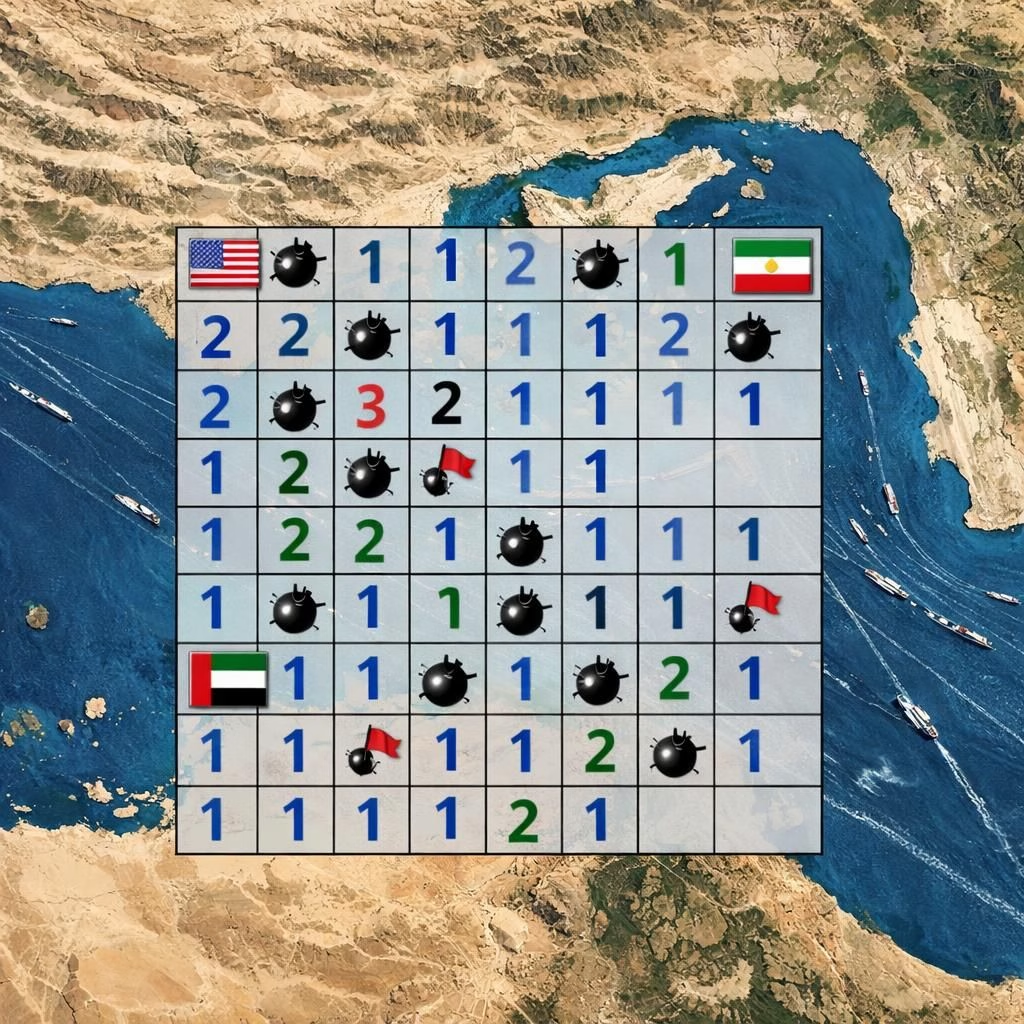
The tensions between the US and Iran have spilled into the digital arena, and 2026 confirms online diplomacy moves fast. Iranian embassies worldwide responded to Donald Trump’s Truth Social remarks with wit, pace, and a dash of pixelated bravado. In particular, the consulate in Mazar-e-Sharif used a nostalgic 90s game to lampoon the push to open the Strait of Hormuz, and the clip overlays a Minesweeper grid onto a satellite map to turn risk into entertainment. The message is clear: if you claim to mine a waterway, the internet will mine your meme — with a smile.
The video cheekily praises the effort as commendable, a paradox that signals how digital messaging can carousel between policy and play. The result is a prime example of modern geopolitics where memes, maps, and embassies merge into a single, sharable moment.
Minesweeper as Digital Satire on the Strait of Hormuz
Across social feeds, the Minesweeper clip appears as a calculated, lighthearted rebuke to aggressive posturing. The video places a Minesweeper grid on a satellite image of the Strait of Hormuz, with virtual mines detonating in sync with captions that call Trump’s move to open the sea “commendable.” It is a playful but pointed reminder that a maritime chokepoint remains a geopolitical hotbed. The method is not accidental; it reflects a broader trend in digital diplomacy where embassies publish memes to reach audiences beyond traditional press rooms.
The Minesweeper format keeps the topic accessible while injecting a warning: navigation through contested waters carries built-in risk, as represented by the hidden mines on screen. The humor works because many viewers recognize the game, yet the stakes behind the game feel real and urgent. In 2026, this approach is not a novelty; it is a narrative technique used to spark discussion and to rebalance the information flow in a crowded social space.
The Minesweeper Metaphor and the Strait of Hormuz Narrative
What does it mean when a retro puzzle becomes the shorthand for a modern maritime standoff? The Minesweeper metaphor translates geopolitical risk into a format people can parse quickly. The grid acts as a stand-in for hidden threats, with numbers guiding logic and caution. Iran’s claim of placing mines in the Strait of Hormuz is not just rhetoric; it aims to deter, delay, and shape how ships plan routes.
The meme frames US navigation as a cautious, high-stakes operation, which resonates with audiences who know that a single misstep can escalate tension. By coupling entertainment with policy, the Iranian online campaigns push the story to a broader audience and invite discussion about who controls information in 2026. Yet this tactic also invites scrutiny: memes compress complex history into bite-sized visuals, sometimes oversimplifying. The confluence of gaming tropes and serious security topics signals a shift that analysts should watch closely in the coming years.
Looking ahead, digital diplomacy will keep merging humor and policy. The Minesweeper clip demonstrates how a simple game can stage a warning, not just a joke. It shows why the Strait of Hormuz remains a focal point for shipping, security, and storytelling alike. In 2026, audiences expect messages that are fast, accessible, and shareable, and this piece captures that demand while keeping a careful eye on real-world risk.
If you enjoy analyzing memes as political artifacts, you will appreciate the blend of retro design and modern strategy this example delivers.
We invite readers to share their thoughts in the comments.
Minesweeper-inspired takeaways
- Memes can steer public discussion and shape perceptions of geopolitics when used by state actors.
- Always assess the balance between entertainment and context to avoid oversimplification.
- Observe how digital diplomacy reaches audiences beyond traditional press rooms.
- Cross-check any dramatic claims with credible sources before forming opinions.
Strait of Hormuz: digital-age challenges
- Is digital diplomacy just about memes?
Not at all. It’s a broader strategy that includes official channels, messaging tone, and audience targeting.
- Do memes influence real-world policy?
Memes can affect public sentiment and media framing, but policy decisions remain rooted in broader diplomacy and security considerations.
- Why use a retro game?
Retro games are instantly recognizable and shareable, helping complex topics travel quickly online.
- Is the Strait of Hormuz a permanent hotspot?
Yes. It is a critical shipping lane whose status often shapes global energy security discussions.
References
- Times of India: Original article about the Minesweeper meme and Strait of Hormuz tensions. Times of India
- Minesweeper (Britannica)
- Strait of Hormuz (Britannica)