

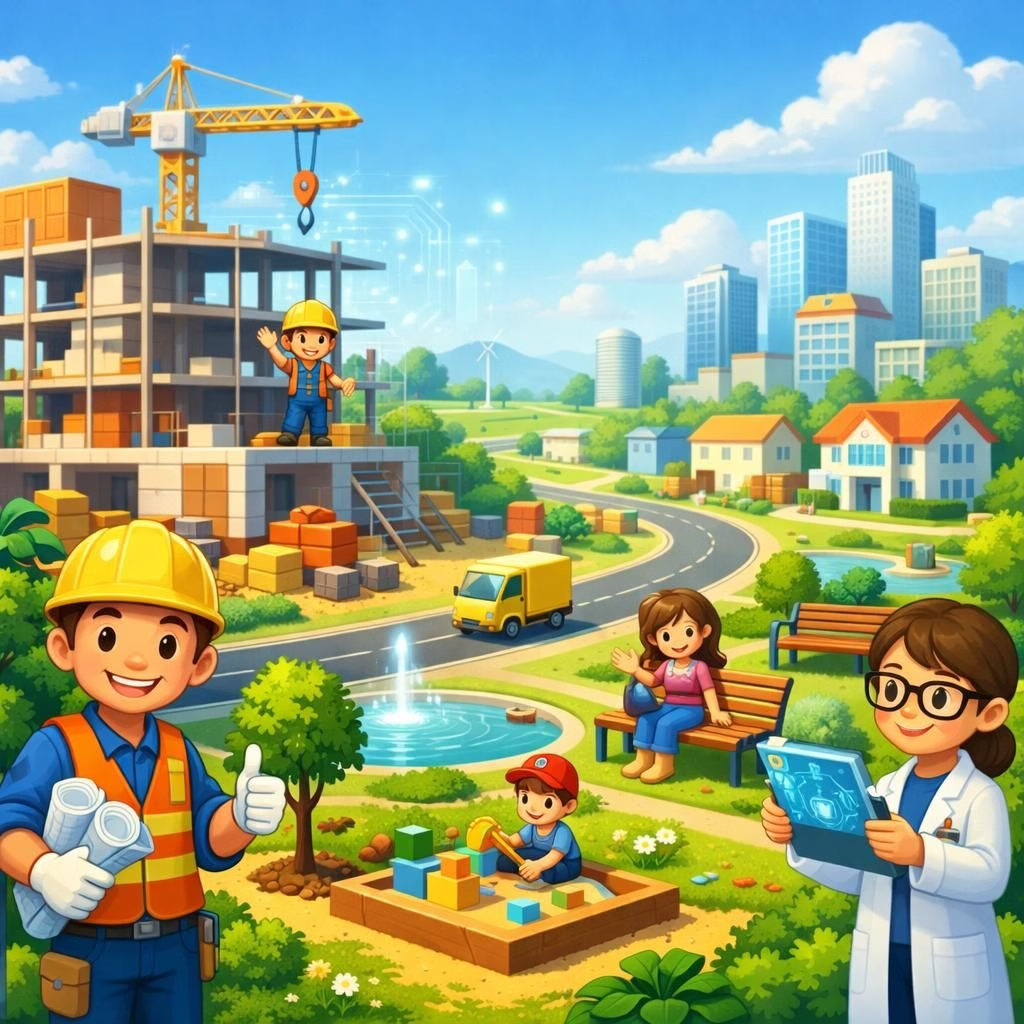
Masters of Albion is real, and the hype isn’t all hot air. Peter Molyneux inspires the project’s core faith: joy can be a design metric, and this citybuilder aims to deliver a positive, imperfect slice of gaming life in 2026. The game wears its influences with pride—Black & White flourishes, a dash of Fable whimsy, and an AI layer that promises reactivity without turning the world into a spreadsheet. If you approach it with curiosity rather than cynicism, you’ll find a project that invites you to shape a living town with a mischievous grin.
Masters of Albion, Peter Molyneux, and the Joy Equation
From the first hours, Masters of Albion invites players to shepherd a growing city with a light touch and a stubborn sense of humor. Peter Molyneux’s name is a magnet for both nostalgia and skepticism, yet the game leans into constructive optimism. It borrows familiar textures while trying to invent its own rhythm: citizens who sing, builders who trade ideas, and buildings that respond to decisions in surprisingly human ways. The AI layer feels like a helpful neighbor rather than a merciless overseer, offering feedback, not commands, which is a small victory in 2026’s design language. Masters of Albion also nods to its heritage by placing care for the town’s mood at the center of growth.
Fable, Black & White, and Masters of Albion meet Peter Molyneux’s vision
This blend anchors the game in comfort and curiosity. Fans of Fable will recognize warmth and moral whimsy while Black & White vibes show up in the way villagers tend to behave and in the landscape’s playful scale. Masters of Albion balances those bones into a citybuilder that aims to deliver joy without becoming a nostalgia machine. The ambition is to be more than a tribute; it wants to be a social playground where builders, dreamers, and tacticians share tiny moments of triumph. Masters of Albion exists as a dialogue with its influences, inviting players to add their own color to the world.
AI as partner, not professor
The AI in this early build acts as a co-pilot. It suggests options, learns from your patterns, and nudges you toward interesting outcomes. It isn’t perfect, but it’s engaged and rarely punitive. It tries to amplify joy, not gatekeep it behind a wall of numbers—an approach that stands out in 2026’s crowded market. As Peter Molyneux has suggested, the aim is to keep the player close to joyful loops. In Masters of Albion, the city responds to care, and that dynamic helps reinforce the sense of a living world.
Roadmap, pacing, and the work ahead for Masters of Albion
Expect rough edges in balance, pacing, and UI flows. But the core idea—that a Peter Molyneux–styled joy-infused citybuilder can stand on its own merits—feels plausible. If the team polishes citizen happiness, resource management, and creative expression, Masters of Albion could become a distinctive voice in a crowded field. The game’s pacing is deliberately measured to reward patience, while still inviting experimentation and small, satisfying wins. The project remains a work in progress, yet it remains inviting for players who want clever systems and warm, reactive feedback as they shape a living town.
Why this feels like a 2026 moment, not a 2010s relic
The industry now treats player joy as a design metric. AI-assisted tools are maturing, enabling faster prototyping of happier loops. Masters of Albion arrives with warmth while using Fable’s charm and Black & White’s landscapes as a canvas, which hints at a longer, kinder arc for simulation games. The optimism isn’t naive; it’s a strategy to invite players to invest in a world that rewards care, curiosity, and collaboration.
Crucially, this is not a finished product, but a bright one. If the project nails its balance of charm, challenge, and creativity, it could become a durable companion for players who want clever systems and delightful reactions as they shape a living world. We’ll be watching, and we’d love to hear how you experience Masters of Albion.
For broader context on AI and the future of gameplay, see Peter Thiel’s AI warnings.
Original article and coverage: Original PCGamesN article. Thank you to PCGamesN for the original coverage and inspiration.
Share your thoughts in the comments and help shape the conversation around Masters of Albion.
A quick start for enjoying Masters of Albion
- Start with a small district in Masters of Albion to learn how citizens react to your choices.
- Encourage collaboration by inviting neighbors to trade ideas and co-create a market area.
- Balance happiness and resources early to unlock new building options and creative avenues.
Frequently asked questions
-
Is Masters of Albion worth playing in early access?
Yes, for players who enjoy thoughtful systems and a gentle, joy-forward loop. It’s a work in progress, but it presents a clear sense of how a modern citybuilder can feel alive and playful without losing depth.
-
How does the AI work in Masters of Albion?
The AI acts as a responsive co-pilot, offering options, learning from how you play, and nudging you toward satisfying outcomes rather than overwhelming you with data or rules.
-
Where can I learn more or follow development?
Keep an eye on official updates and community discussions, plus this article’s linked analyses for broader context about design priorities in modern sim games.