

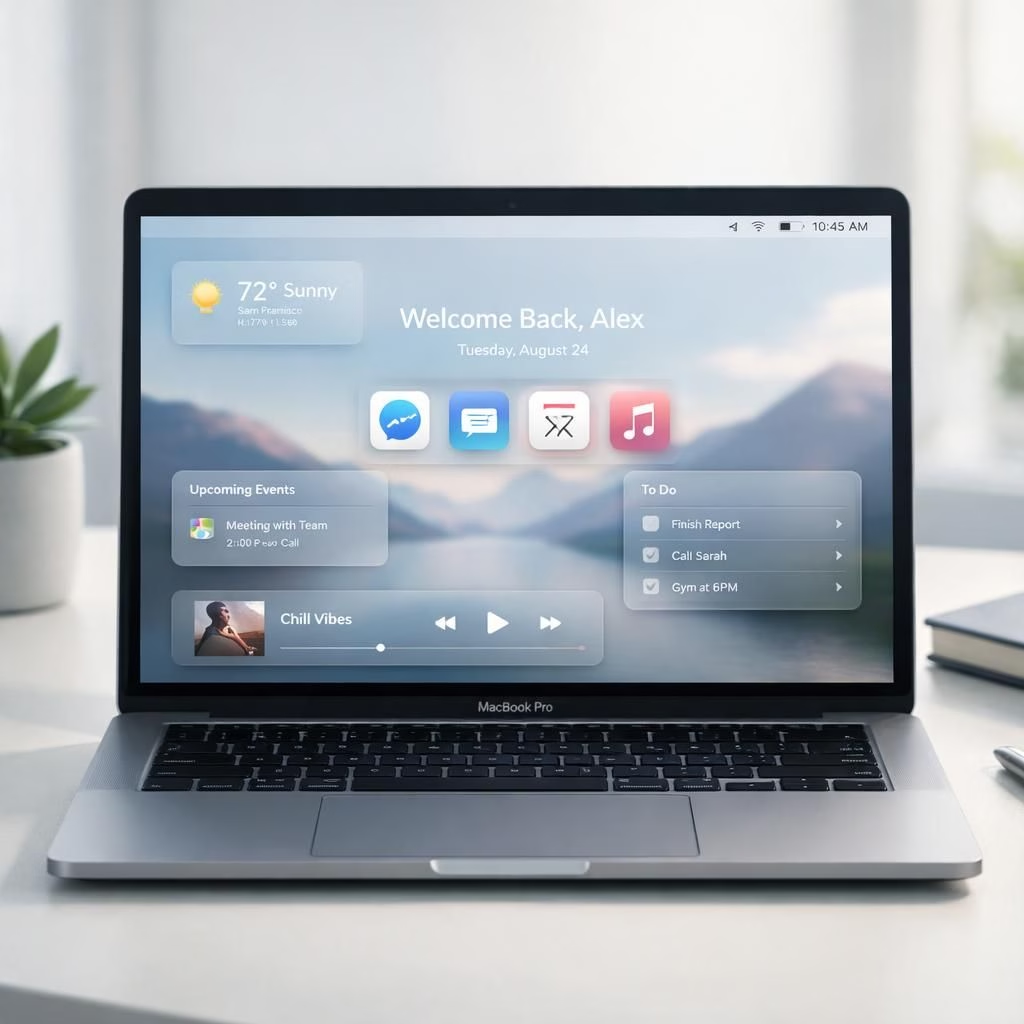
Despite the chatter around Liquid Glass, Apple’s next interface move won’t drop the design language. Instead, the refinements in macOS 27 aim for a gentler, more readable experience. Bloomberg’s Mark Gurman notes the design team wants the look to reflect their original intent, not a rushed patch.
The tweaks focus on cleaner shadows, more predictable transparency, and a steadier balance between glassy surfaces and legibility on non-OLED screens. The timing looks friendly: these changes could land in 2026 as Apple nudges toward an improved experience on OLED hardware. The move follows opacity options introduced in 26.1, signaling Apple will test the edges before wider rollout. All eyes now shift to WWDC, where bug fixes and performance tweaks headline the June 8, 2026 keynote.
Liquid Glass in macOS 27: A friendlier redesign
Apple’s designers aim to calm the visual noise without stripping the signal. The slight redesign targets readability on desktops and laptops where the system surface sometimes looked washed out or oddly shadowed. The real-world impact will be most noticeable on a big monitor or a bright macOS 27 display. The tweaks are practical, with subtler shadows, more consistent transparency, and steadier emphasis across apps.
macOS 27 targets Liquid Glass on OLED and larger displays
Beyond readability, hardware alignment is part of the plan. The team reportedly eyes OLED devices, where glow and contrast can make glassy UI elements feel more at home. The forthcoming tweaks aim to present cleaner text and more stable visuals on Retina-class or OLED displays that could appear this year. The team previously introduced opacity options in 26.1, signaling a willingness to iterate. WWDC is expected to bring bug fixes, longer battery life, and improved performance.
The keynote is set for June 8, 2026, a moment developers watch with cautious optimism.
As with any cosmetic refresh, the best signal comes from real-world usage. Power users warn that speed should not lag and memory usage stays sane. Apple reportedly tests adjustments under different lighting and brightness levels to curb reflexive glare. Apps should render consistently, even when you switch between dark and light modes.
Expect refinements to icons, menus, and window chrome without stealing focus from content. The aim is to preserve the signature glassy vibe while improving readability for long paragraphs and skim-able lists on crowded desktops. The public rollout may happen alongside bug fixes and efficiency gains announced at WWDC in 2026.
In short, the path forward is pragmatic and hopeful. The story behind the tweaks shows a design team learning from early previews, not abandoning macOS 27, but sharpening them for real-world use. If you rely on an OLED macOS 27 device, the changes could feel especially welcome, with better contrast and calmer shadows. If you work with multiple external displays, you might notice more consistency across apps and windows. The long view remains simple: a tighter aesthetic, better readability, longer battery life, and a smoother overall feel by the time WWDC arrives on June 8, 2026.
Original article attribution: Thanks to Bloomberg’s Mark Gurman for the initial reporting. Original article: Bloomberg coverage by Mark Gurman.
Have thoughts or opinions about this redesign? Share them in the comments below to join the conversation and help us understand how you experience the changes in 2026.
Practical quick-start: Liquid Glass on macOS 27
- Test readability on a crowded document by comparing font weight and line height with your current setup.
- Switch between light and dark modes to observe how shadows and transparency behave.
- Open a few apps with multiple windows to assess consistency across the desktop.
FAQ: Liquid Glass and macOS 27
- What is Liquid Glass? It’s Apple’s glassy UI layer blending translucency with content surfaces; refinements aim to improve legibility on larger displays.
- Will macOS 27 remove it? No. The goal is to refine the design language, not abandon it.
- When is the WWDC keynote? The event is scheduled for June 8, 2026, with updates focused on fixes and performance improvements.
Conclusion: A practical refinement with an eye on the future
The tweaks to macOS 27 and Liquid Glass aim to balance aesthetics and usability, especially on OLED and large displays. If you rely on external monitors or OLED hardware, the updates could bring clearer text, calmer shadows, and more consistent app visuals by WWDC. The overall goal remains simple: preserve the signature glassy vibe while improving readability and battery life for everyday tasks.