

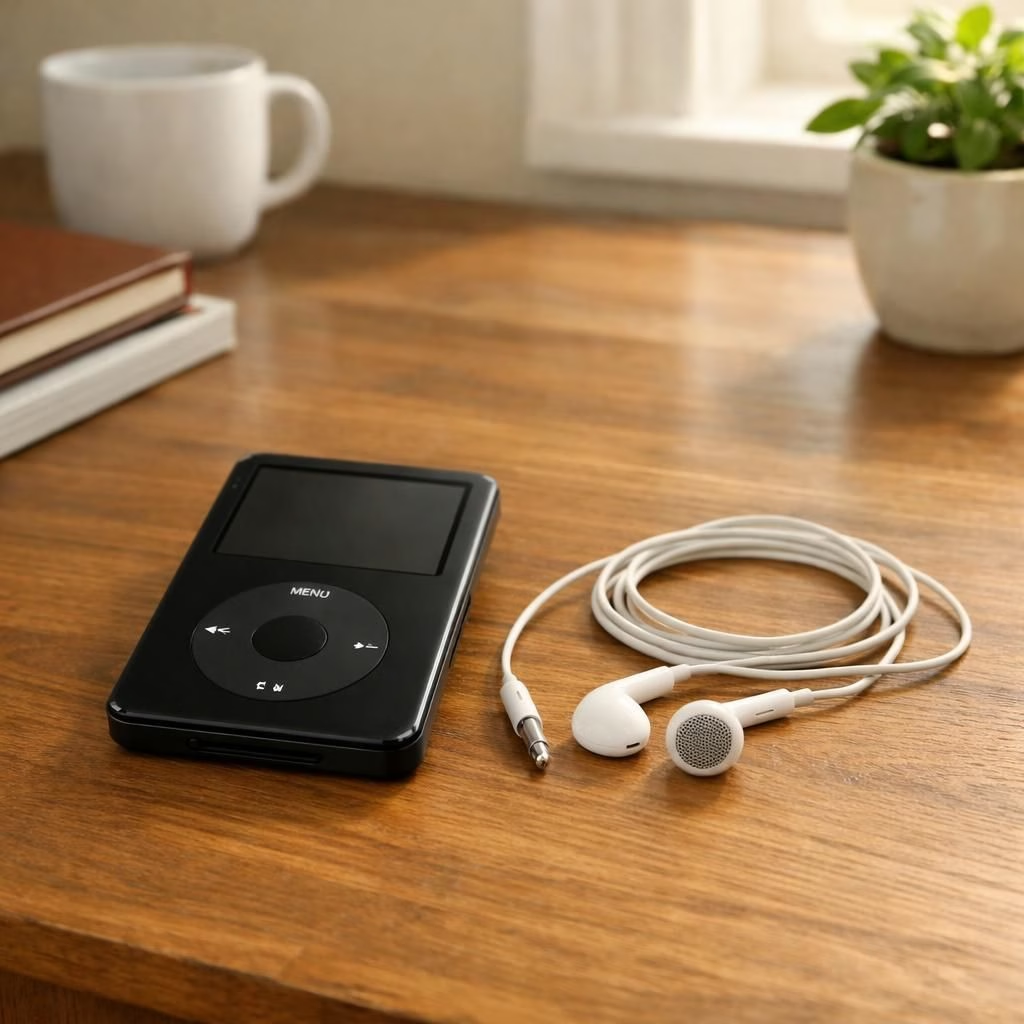
In 2026, the iPod has quietly staged a comeback, championing Distraction-free-listening as a refreshing antidote to the constant buzzing of modern life. This isn’t about pretending the world isn’t noisy; it’s about choosing a focus-friendly device that respects your attention, not your inbox. The revival isn’t nostalgia for nostalgia’s sake; it’s about a sustainable ritual: press play, skip with a hardware wheel, and let your music do the talking while notifications stay politely out of frame.
iPod Distraction-free-listening Tech nostalgia meets modern minimalism
In the public imagination, the iPod is a symbol of physical control, a device that values the act of choosing music over the endless swirl of streaming. The 2026 revival leans into that ethos, pairing retro hardware with thoughtful software that blocks notifications and prioritizes offline access. The result is a calmer commute, a deeper focus during study sessions, and a small triumph over the dopamine-drip of endless recommendations.
Distraction-free-listening becomes not a restriction but a portable ritual: a pocket-sized orchestra that doesn’t nag you with pings, pop-ups, or algorithmic nudges at every turn.
iPod Distraction-free-listening How to enjoy the minimalist listening experience
Getting set up is surprisingly gentle. You unbox a compact unit, pair it with headphones, and load your offline library from a trusted source. No endless sign-ins, no auto-play that drags you into a rabbit hole. The hardware wheel stays tactile, the display is austere, and the software emphasizes clean typography and fast navigation. The result is a device that feels calm to use, yet powerful enough to carry a life soundtrack on your terms.
For the modern listener, the promise is simple: a long battery life, robust build quality, and a focused listening experience. When you want to dance around the kitchen, you can do that with pure music, not with three dozen push notifications vying for attention. The iPod in this light isn’t a relic; it’s a deliberate choice to protect your attention span during commutes, workouts, or study sessions. This is where Distraction-free-listening earns its stripes—by delivering clarity without demanding your time in return.
Practical tips help the transition. Create a dedicated offline playlist, organize your music with a predictable folder structure, and give yourself permission to use the device for long-form audio, not just singles. The philosophy extends to travel: a light, independent device that doubles as a quiet companion in crowded spaces. The goal is not to eliminate technology but to curate it so listening remains a choice, not a background soundtrack.
Practical steps for iPod and Distraction-free-listening
- Set up offline access by loading a curated library before you hit the road.
- Create a stable folder structure for quick navigation through hours of audio.
- Reserve the device for long-form audio when possible to preserve focus.
Biographies of the tech world often overhype new gadgets, but this revival leans into a truth: good design is design that eases friction. The iPod’s wheel becomes a ritual control, the screen stays minimal, and the experience centers your ears. People who crave focus seek out this combination: familiar hardware with a modern, Distraction-free-listening approach. The result is a renewed respect for the joy of listening as an act, not an afterthought.
As AP News highlighted, a new generation is reviving the iPod for Distraction-free-listening, proving that big screens aren’t the only path to big sound. The revival isn’t a contest between old and new; it’s a thoughtful blend that respects both history and current needs. The device serves as a compact gateway to long-form playlists, audiobooks, and curated mixes, all accessible without a constant stream of updates.
In the broader tech conversation, this trend encourages designers and developers to consider attention as a resource, not a constraint. The iPod example shows how a product can optimize for concentration, not for engagement metrics alone. The result is healthier tech habits, a richer listening experience, and a touch of retro charm that makes modern life feel a little slower and more intentional.
Original article: Original AP News article via Google News. Thank you to AP News for the original reporting.
If you have thoughts, share them in the comments below and help shape this ongoing conversation about mindful listening in the digital age.