

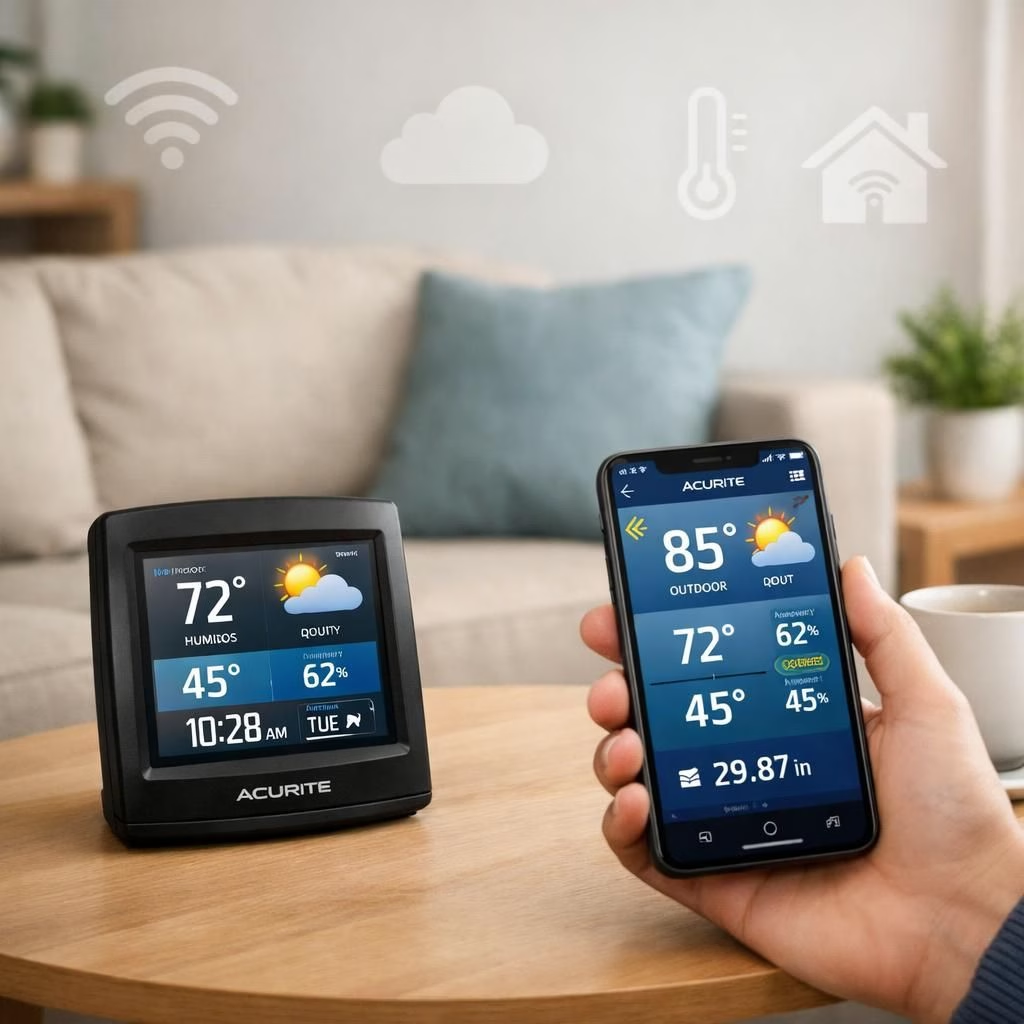
IoT is not just buzz in the air; AcuRite shows how connected devices shape everyday routines. When a maker like AcuRite retires a beloved app, it’s not a villain origin story. It’s a calculated adjustment to a shifting ecosystem, user expectations, and a budget that keeps asking for mercy. In 2026, such moves reveal how home routines adapt to changes.
IoT realities behind AcuRite’s decision
Here’s the gist from the company’s perspective: running an app across device generations, regions, and privacy regimes is expensive. The cost line climbs with every OS update, bug fix, and security patch. In the IoT world, devices stay online for many years, so a popular app can become a maintenance sinkhole while new features land elsewhere. AcuRite argues resources should fund hardening devices, streamlining cloud services, and improving core reliability. In short: the sunset of the app is a strategic shift toward a safer, simpler ecosystem for more devices and more users. The truth is nuanced: this is about trade-offs, not malice, and the team aims to avoid breaking the whole home-automation routine for a single sunset.
AcuRite pivot in the IoT era
The company frames the move as aligning with long-term goals: fewer surface points for bugs, simpler support, and less fragmentation across platforms. The practical upshot is that some users lose a favorite feature. The upside, from a product hygiene standpoint, is a more predictable experience across AcuRite sensors, displays, and cloud services. In the IoT network, where small updates add up to big security gains, this sunset can be a net win for safety and reliability. The churn is real, but it’s intentional. It results from a careful cost-benefit calculation that favors fewer, stronger connections and a clearer roadmap.
What this means for users and IoT ecosystems
Users who relied on the app for setup, reminders, or data views will need alternatives. Some migrate to newer AcuRite apps or integrated ecosystems; others prefer direct device controls without the old interface. The shift can feel like losing a favorite shortcut, but it can push people toward more consistent experiences: fewer crashes, fewer compatibility headaches, and more stability at 2 a.m. when a thermostat acts up. For the broader IoT market, AcuRite‘s move signals a trend: device makers consolidate software to reduce risk, improve security, and prioritize reliability over novelty.
Practical takeaways for IoT readers
- Plan migration early: identify which devices depend on the sunset app and map to supported alternatives.
- Back up data responsibly: consider exporting charts and reminders to avoid losing historical context.
- Expect a learning curve: new apps may change layouts or terminology; give yourself 1–2 weeks to adapt.
- Secure the ecosystem: enable two-factor authentication on new apps and review device permissions.
- Focus on core devices: prioritize reliability over novelty; a well-behaved sensor beats a flashy interface every time.
From a storytelling angle, the AcuRite decision mirrors a growing pattern in the IoT world: a shift from feature saturation to stability, from endless add-ons to user-centric simplicity. The team communicates a calm, measured tone even as fans express disappointment. That balance—between technical clarity and human empathy—often determines whether a company is remembered for pruning a tool or for clinging to a sunset they could have managed better.
In practice, this is less about blame and more about calibration. Device makers, including AcuRite, learn to balance development costs with the needs of long-standing customers who value continuity. The industry trend is toward modular, upgrade-friendly ecosystems where users opt into new features without sacrificing core functionality. Yes, there’s humor in this reality: even in a world of smart devices, users come up with clever workarounds, turning a forced sunset into resilience.
So what should readers take away? If you’re an IoT hobbyist, treat a sunset as a planning event, not a tragedy. In many cases, you can forestall disruption by choosing devices with migration paths, well-documented APIs, and strong community support. If you’re a casual user, you can still enjoy the comfort of a stable device when you know the company prioritizes security, privacy, and reliability—real-world benefits that matter more than the next shiny feature.
As always, technology should serve people, not the other way around. The AcuRite decision reminds us that strategic conservatism can be as valuable as bold experimentation, especially in the IoT-enabled home of 2026. The future remains full of potential: better interoperability, clearer data controls, and devices that simply work when you expect them to.
Original article attribution: Ars Technica — thank you to the Ars Technica team for the original reporting that inspired this piece.
We invite you to share your thoughts in the comments below. Your experiences with IoT and AcuRite matter and help others navigate these sunsets with clarity.
External sources
- NIST: Internet of Things
- FTC: Privacy and security considerations for IoT devices
- ENISA IoT security guidelines
References
Original article attribution: Ars Technica