

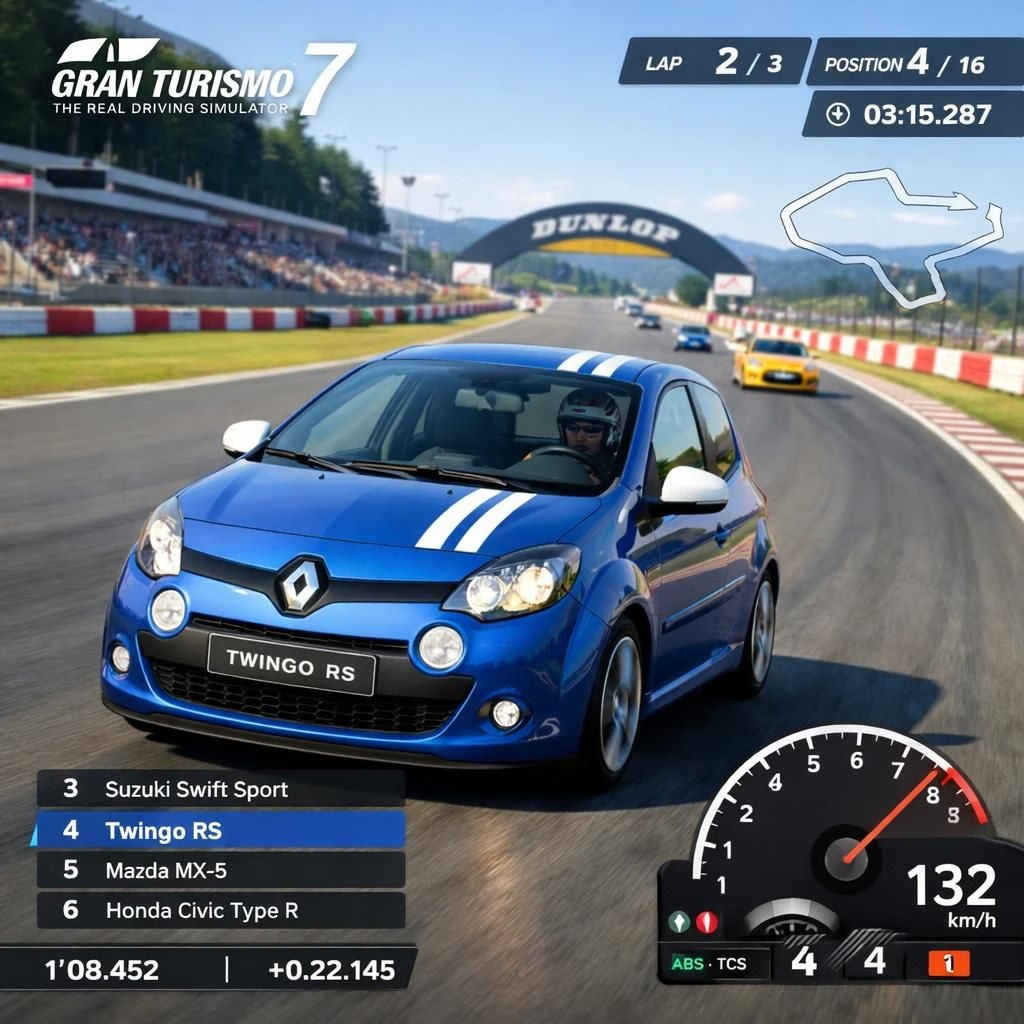
In this cheerful breakdown of Gran Turismo 7 and Tag B updates in 2026, we explore new cars, races, and the Nurburgring Reverse Circuit experience. The Renault Twingo might appear in a world where hypercars rule, but the real magic is in how small changes reshape your weekend grind into something more joyful. The patch notes tell a practical story: more balance, more variety, more chances to push your dashboard’s little red lights into hubris.
Gran Turismo 7 Update: New Cars, Races & Nurburgring Reverse
Three new cars join Gran Turismo 7, including the Renault Twingo, plus two companions that surprise with practicality and charm. You can expect three fresh races built for tight pacing and clever line choices. The Nurburgring Reverse Circuit makes its awaited appearance, inviting you to re-learn a familiar track from a different angle. The update introduces a more dynamic Tag B—tuning presets, improved tire wear modeling, and a smarter pit stop strategy that actually feels useful. All of this is part of the April patch for 2026 world scenarios, echoing the ongoing World Series chatter and developer notes from the official channels.
Power Pack Notes: Tweaks, Modes and Renault Twingo Trials
The Tag B portion of the update tweaks handling, aerodynamics, and setup surgery. Expect more granular tuning options, better engine maps, and a responsive drag model that rewards patience. If you like to experiment, you’ll enjoy presets that let you swap between street, track, and endurance modes in seconds. The Renault Twingo shows up as a friendly wildcard in the garage, a reminder that sometimes the smallest car can steal the show on a long sprint. And yes, those three new races demand fresh lines and new risk assessments that keep you on your toes rather than letting you coast on muscle memory.
Gran Turismo 7 in 2026: What It Means for Gearheads
From the cockpit to the leaderboard, Gran Turismo 7 keeps evolving with a careful blend of polish and play. The 1.69 patch leans into realism without losing the winking humor that keeps racing games approachable. You’ll notice smoother tire models, smarter AI, and a more forgiving learning curve for newcomers who still want to chase the dream of a perfect lap. Tag B integrations feel like a living toolbox, not a one-off upgrade. The Renault Twingo’s inclusion signals a broader trend: Sony’s driving sim is listening to the crowd that loves quirky, lovable cars as much as they crave precision data. The result is not just more events, but better events, designed to sharpen your reflexes and your smile.
As a reader, you probably want to know how this translates to your weekends. The answer is simple: it’s more options, less fluff, more bragging rights, and more reasons to pick up the controller on a rainy afternoon. The Nurburgring Reverse Circuit alone invites you to rethink your approach; you might find yourself dialing in different brake points, braking later into late apexes, and discovering a new rhythm that makes the track feel almost hospitable. The three new cars are no afterthought; they are deliberate, well-tuned additions that blend with the existing roster and the new tuning features to create more varied races.
Before we wrap, a note on accessibility: the patch aims to be usable by players across the skill spectrum. The UI tweaks, short-cuts, and presets reduce friction for beginners while offering depth for veterans who want to squeeze those last few tenths. If you’ve been on the fence about the Tag B, this update makes a stronger case for diving in, especially when you combine the new events with the refined AI and tire modeling. In short, Gran Turismo 7 remains a living project, a well-fed beast that still asks for your attention and rewards it with better drives and better stories.
Original article credit and thanks: Special thanks to the original sources for their coverage. You can explore the base materials here: GTPlanet.
We invite you to share your thoughts and experiences in the comments below. Your feedback helps steer future updates and keeps the community lively.
What’s included in the 1.69 patch
- Three new cars, including the Renault Twingo, added to the showroom.
- Three fresh races designed for tight pacing and clever line choices.
- The Nurburgring Reverse Circuit makes a debut, inviting new braking points and late-apex rhythm.
- Power Pack enhancements provide more granular tuning, better tire models, and smarter pit stops.
How to approach tuning with the new Tag B options
- Start with a baseline setup from your current track list to compare changes clearly.
- Use the presets to switch between street, track, and endurance styles quickly.
- Test in practice, then push into events to see where the new tire modeling helps your rhythm.
FAQs
- Is Power Pack required to enjoy the update? No, but it adds depth for tuning and events. The Tag B options enhance setup options if you already own it.
- Will Renault Twingo be competitive? It depends on your tune and the event, but small cars can surprise on mixed-length formats.
- How should I approach Nurburgring Reverse? Start with a conservative braking strategy, then refine your rhythm for late apexes and a smoother lap.
Conclusion
Gran Turismo 7 continues to evolve with thoughtful updates that blend realism and whimsy. The 1.69 patch widens the toolkit without burying new players in complexity, while rewarding seasoned racers with sharper AI and smarter tire behavior. The Renault Twingo and the revised Power Pack components show that Sony is listening to players who love quirky machines as much as precise data. The result isn’t just more events—it’s a steadier path to better drives and better stories on your coffee-break or weekend grind.
References
References: GTPlanet article linkback remains as the primary source for the update details: https://www.gtplanet.net/gran-turismo-7-update-169-20260423/