

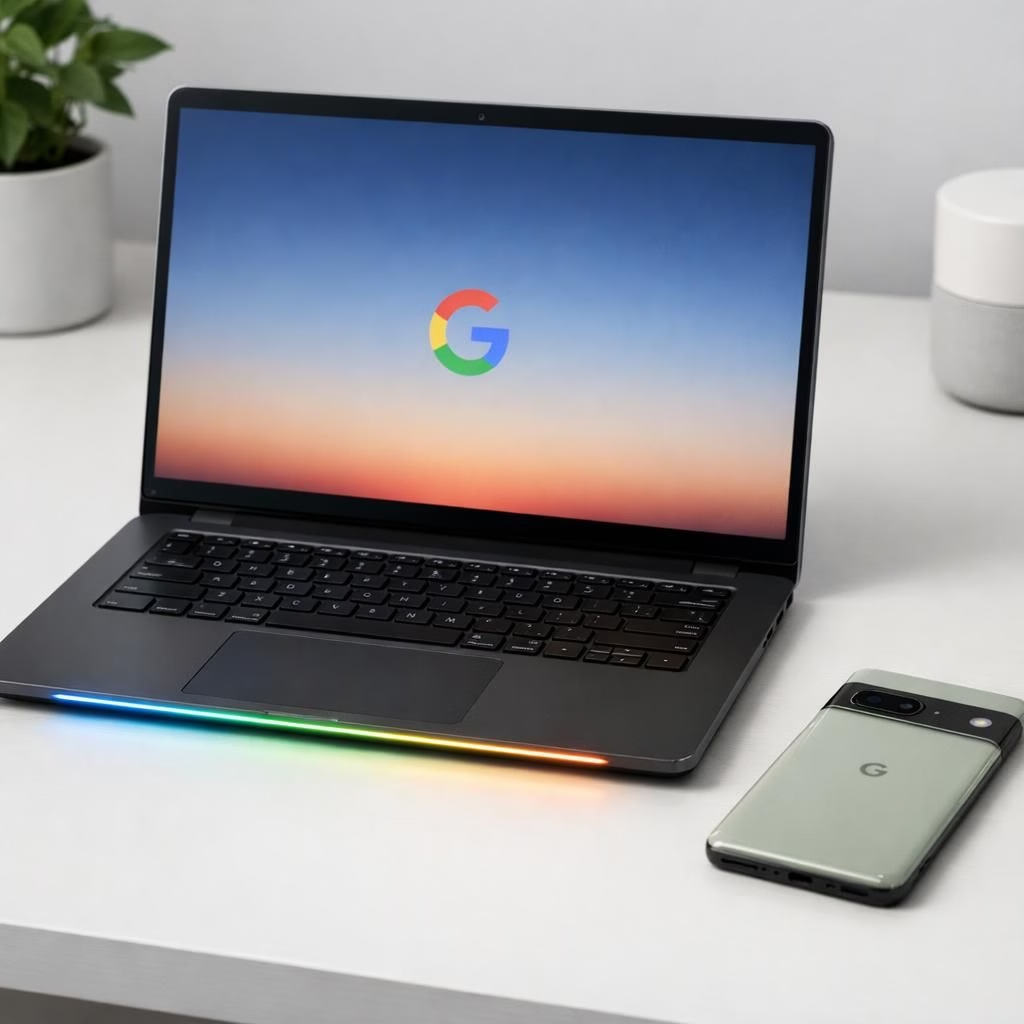
The chatter around Google Pixel and Tag B is optimistic. Rumors point to a Google Pixel laptop and Tag B lighting that can sync with phones. The Google Pixel ecosystem hints that the boundary between devices could blur in practical, helpful ways. Tag B is more than a flashy LED; it’s meant to cast a calm ambience on your desk and your devices. This isn’t a fantasy; these signals point to smart choices wrapped with humor and curiosity. The core truth is simple: Google appears to be exploring a Pixel laptop concept and Tag B that could extend to Pixel phones.
What would this mean for end users? Picture a desk where your Google Pixel laptop and phone exchange a quiet handshake. The Tag B lighting could glow to match your workflow—cool blue for focus, warmer amber for late-night reading, and hues in between when notifications arrive. The Pixel laptop concept would likely run a trimmed, efficient version of ChromeOS with tighter Android integration, enabling copy-paste between devices, seamless window switching, and easy file sharing via Nearby Share. The aim isn’t spectacle; it’s about reducing friction in daily routines, delivering genuine improvements that endure over time.
Google Pixel’s laptop dream meets Pixel Glow lighting
From a storytelling angle, the pairing makes sense. A Pixel laptop could be a reliable workhorse with a light, battery-conscious OS, while Tag B lighting becomes a tactile cue that ties the ecosystem together. Expect a focus on consistency: the same color language across devices, smarter power management, and privacy safeguards to ensure ambient LEDs don’t leak more data than your calendar. The hardware would borrow from Pixel design cues—clean lines, solid keyboards, and a chassis designed for cooling and quiet operation. On the software side, expect a seamless multi-device rhythm: your phone waking the laptop, unlocking it with a fingerprint, or sharing a call with a single tap. The narrative condition here is usefulness over flash.
Practically, Tag B could show up as an ambient line of lighting accents—keyboard-edge glow strips, a halo around the screen, or modular desk kits that sync with Pixel notifications. It might also appear on the phone itself, adding a soft glow for important alerts or during video calls. The goal is a subtle guide for attention, much like a well-behaved lighthouse guiding ships. If Google ships this, it could set a standard for cross-device cues that feel both useful and stylish.
Pixel Glow lights up more devices, including phones
Another angle is how Tag B could democratize ambient tech without forcing a full hardware overhaul. If Google ships modular lighting that talks to the Pixel ecosystem, third-party accessories could join in. A desk lamp integrated with Tag B would become part of a consistent setup. For power users, this could translate into automation routines: a focus mode that dims the lamp, silences distractions, and moves content across devices. For mainstream users, it could feel intuitive—your desk quietly supporting your workload, not shouting about it. The Pixel program’s credibility hinges on a calm, measured rollout rather than a splashy debut.
From a hardware perspective, a Pixel laptop would likely emphasize efficiency and portability: a light chassis, fast charging, durable keyboards, and screens tuned for readability in varying lighting. Pair that with Tag B lighting, and you’d have a desk that feels cohesive in a conference room and at home. In such an ecosystem, data privacy stays a priority, connections stay secure, and work can glide between devices with minimal friction. If Google nails the synergy, the small wins—less toggling, fewer cables, more natural gestures—could make these devices feel like a single, harmonious system.
Of course, moving from rumor to reality takes time. The Pixel laptop and Tag B lighting could go through several rounds of testing to balance comfort, aesthetics, and real-world battery life. Google might combine user feedback, field tests, and expert reviews to shape a product that complements the existing Pixel lineup rather than cannibalizing it. The pace may be measured, but the direction feels plausible: a more cohesive, interconnected environment where Pixel devices act as teammates rather than isolated gadgets. If this path proves viable, it will likely read as the natural evolution of the Google Pixel experience rather than a dramatic revolution.
As we look ahead, a few practical questions remain. Will the Pixel Glow lighting require dedicated hardware, or will it live primarily in software and on the devices themselves? Will the Pixel laptop use a specially optimized ChromeOS designed to run Android apps in concert, or will Google pursue a hybrid approach? How aggressive will pricing be, and how will energy use be balanced with performance? These aren’t showstoppers; they’re guardrails for evaluating value. The best-case scenario is a thoughtful, modular ecosystem that nudges users toward multi-device workflows without forcing a desk overhaul or a steep learning curve.
For readers who enjoy a tech tease, this concept offers a healthy blend of practicality and aspiration. It invites us to imagine a workspace where Pixel devices share context, tasks, and ambiance. A Pixel laptop with Tag B lighting could turn late-night editing into a smoother, more coordinated experience, while adding personality to a world of glass and metal. If Google pursues this direction, it may invite developers and accessory makers to contribute, expanding the ecosystem for both power users and casual users alike.
Original article: Thanks to 9to5Google for the original reporting. Read here: Google working on Pixel ‘laptop’ and ‘Pixel Glow’ lights that are also coming to phones (9to5Google via RSS).
So, what do you think about this lighthearted yet hopeful look at a future where Pixel devices coordinate more tightly? Do you see yourself embracing Tag B lighting at your desk, or would you prefer a more conservative, software-first approach? Share your thoughts in the comments below and join the discussion. If you found this take entertaining or insightful, feel free to pass it along to fellow tech enthusiasts who enjoy a dash of optimism and practicality.
FAQ – Google Pixel, Pixel Glow
- Will Pixel Glow require dedicated hardware?
Likely optional and modular, allowing users to upgrade their desk setup without replacing devices.
- Will the Pixel laptop run a ChromeOS that’s tightly integrated with Android?
Rumors suggest a refined ChromeOS with better cross-device features, not a full OS rewrite.
- How might Pixel Glow affect privacy and energy use?
The concept prioritizes privacy controls and energy-efficient ambient lighting, with opt-in settings.
Takeaway: Pixel Glow could offer a cohesive, practical cross-device workflow if it arrives, but it will require thoughtful design, transparent pricing, and strong privacy safeguards.
References
Original article: Thanks to 9to5Google for the original reporting. Read here: Google working on Pixel ‘laptop’ and ‘Pixel Glow’ lights that are also coming to phones (9to5Google via RSS).