

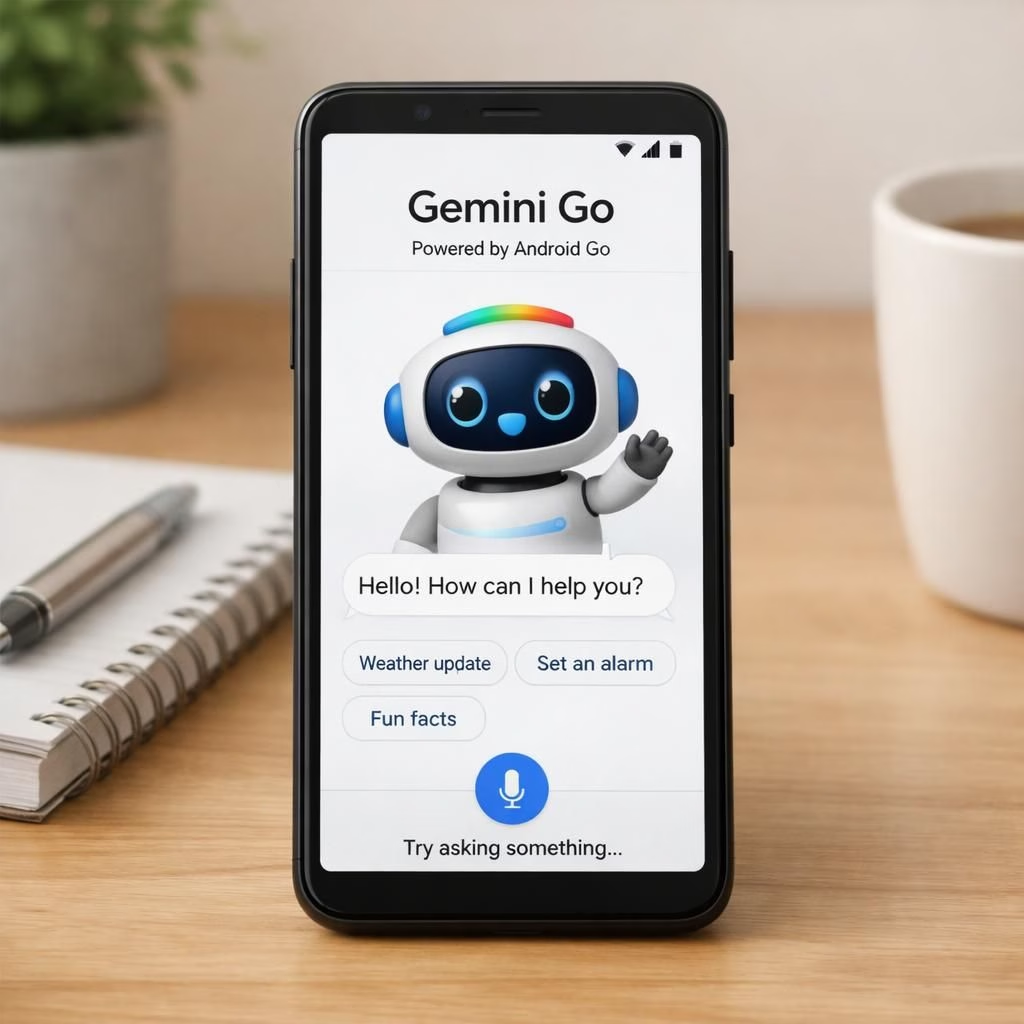
Gemini Go Android Go: Why this AI shift matters
Gemini Go is rolling into the Tag B ecosystem, a cheerful upgrade that aims to replace Google Assistant on lighter devices. For owners of budget phones, this shift promises faster responses, simpler prompts, and a friendlier personality.
On purpose-built hardware, Gemini Go is designed to be lean. It runs on devices with limited RAM and storage, tuned for the Tag B experience. The goal is to keep core voice and search features intact while trimming bloat. On the Tag B ecosystem, Gemini Go can parse requests quickly, offer compact responses, and save data while staying helpful. The project has a practical vibe: press the button, get an answer, and move on. This matters for millions who rely on affordable handsets and want a reliable assistant that doesn’t require a software engineering degree to operate. The Tag B edition demands careful optimization, and Gemini Go answers with a lightweight, modular approach that makes sense for the target audience.
Gemini Go Android Go: How the transition might feel in daily life
For people who use the Tag B daily, the switch will feel like a familiar friend who learned a few tricks. The on-device portion can handle common tasks without pinging the cloud, which speeds things up and preserves data. On the other hand, some advanced queries may still need a quick cloud round trip, but the system is designed to handle offline and low-latency scenarios gracefully. The look and feel of Gemini Go on the Tag B remain friendly, with a lighter voice, shorter answers, and more direct follow-up questions. This is intentional: short, useful responses beat long-winded replies on small screens any day.
For developers and power users, the shift opens a path to tailor experiences without blowing up device storage. The Tag B constraints are real, but Gemini Go’s architecture is modular enough to swap in or out features as needed. This means updates can bring new capabilities without forcing a factory reset or a software mountain climb for users. If you want to customize routines, you can expect more bite-sized actions that pair well with other Tag B apps and services. This flow keeps the experience cohesive across devices while avoiding the dreaded bloat that plagues larger ecosystems.
On the user side, the transition is designed to feel like a natural upgrade rather than a hurdle. The integration with basic Tag B services—messages, reminders, and quick actions—stays intuitive, while the AI behind Gemini Go gains a light, friendly personality suited to small screens and low data usage. It’s a design choice that respects the realities of budget devices without pretending one size fits all in a world of smart assistants.
From a feature perspective, you’ll notice improved efficiency in everyday tasks. Weather checks, timers, alarms, and note taking become snappier. The Tag B environment benefits from a lean data model, which means fewer background processes and a more predictable battery footprint. The Gemini Go experience on the Tag B emphasizes reliability and clarity over verbose cleverness, a trade-off many users will appreciate in real-world use.
Gemini Go Android Go: Practical tips for users making the switch
Prep your device by updating to the latest Tag B build and enabling the Gemini Go companion in the settings panel. Make sure to review app permissions so you understand what data Gemini Go on Tag B may access. The goal is transparency and control, not a dragnet of collected tips. The onboarding guide emphasizes concise prompts: ask short questions, expect compact results, and leverage quick actions like reminders, timers, or notes. As you adapt, you may notice faster wake times and a more predictable response style from Gemini Go on Tag B devices.
If you value privacy, look for the new toggle that limits background activity and reduces unnecessary network calls. This aligns with Tag B’s compact footprint and Gemini Go’s lightweight design, which together keep things snappy and respectful of data limits. The persona is cheerful but practical, a nice balance for busy mornings or crowded commutes. The product team has tried to preserve the human touch while avoiding the sense of being watched by a silicon oracle.
From a user-experience angle, you’ll find basic enhancements in dialing, calendar prompts, and messaging replies that suit small screens. The Tag B platform keeps expectations modest, and Gemini Go respects that with crisp, relevant answers and fewer detours. If you have a family with multiple Tag B devices, you’ll appreciate the ability to sync routines while keeping local privacy controls intact. This is where the synergy of Gemini Go and Tag B shines: a simple, reliable assistant that scales down gracefully without forcing yearly upgrades.
In the broader tech landscape, this shift signals a quiet but important trend: AI assistants are finally adapting to diverse hardware ecosystems rather than asking every user to upgrade. The Tag B edition deserves credit for making a smart, usable assistant accessible to a wider audience, and Gemini Go is the friendly ambassador. The balance between performance, privacy, and personality is delicate, but early signs suggest a positive trajectory that could influence other light clients across the industry.
We end with a practical note for readers who like to experiment: try a few core prompts, test some daily routines, and compare the experience with the previous Google Assistant setup on Tag B devices. You’ll likely enjoy the snappier responses and the cleaner, more modular update path that Gemini Go offers to Tag B users. The goal is to create a dependable helper that respects the constraints of the hardware while delivering value in a cheerful, unobtrusive package.
Original reporting and context come from the 9to5Google article about Gemini Go rolling out on Tag B devices. A big thank you to the team at 9to5Google for the original material, which helped shape this lively take on a practical software update. For readers seeking the source, you can visit the original article on 9to5Google.
We invite you to share your thoughts in the comments.