

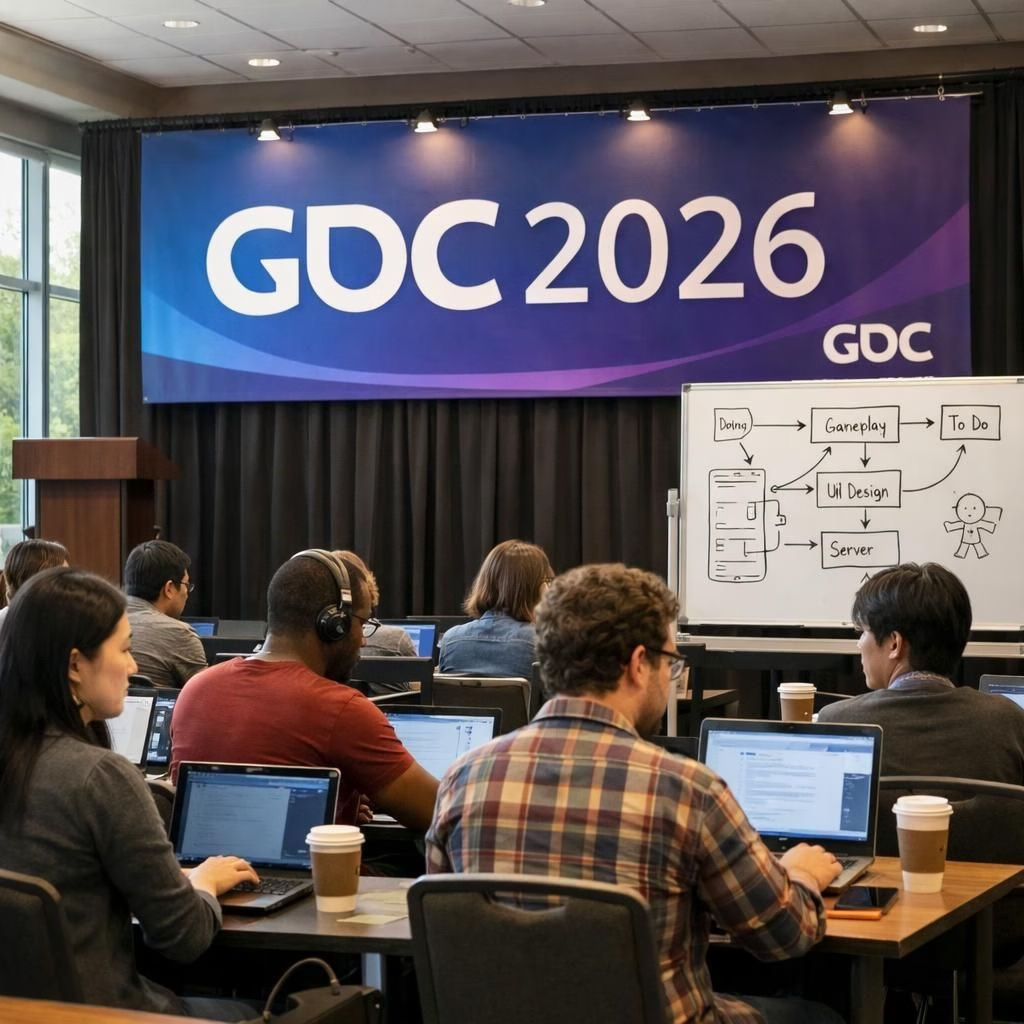
GDC 2026 is on every developer’s radar, a big GDC moment that fuels the future of game creation. The event is a focal point for ideas across studios, from solo developers to teams running live ops at scale. The energy blends caffeinated optimism with practical discipline, inviting a global community to share ideas and ship new experiences.
GDC 2026: Tooling and AI Augmentation
At GDC 2026, developers embraced smarter toolchains, AI-assisted debugging, and more streamlined workflows. The message was clear: automate the dull bits without sacrificing the joy of creative craft. Vendors showcased editors that suggest helpful hints, asset pipelines that learn your style, and test rigs that report bugs with a friendly nudge. The practical takeaway is simple: the right tooling can shorten cycles, raise morale, and let teams focus on what makes games special.
GDC 2026: Live Ops and Player-Centric Design
Another major note from GDC 2026 is the emphasis on live ops and putting players at the center. Analytics-driven design, A/B testing, and iterative updates were framed as a steady journey rather than a sprint to patch day. Live ops teams shared dashboards, telemetry, and rituals for maintaining engagement year-round without burning out developers. The takeaway: deliberate, well-timed updates beat chaotic patch cycles, and players reward that approach with loyalty.
GDC 2026: Collaboration Across Time Zones
Beyond code and dashboards, GDC 2026 highlighted how teams collaborate across time zones and borders. Remote work is not a novelty; it’s a baseline. The conference showcased cloud pipelines, shared repositories, and asynchronous feedback loops that respect sleep schedules while still shipping features on time. The lesson for studios: invest in collaboration hygiene—clear handoffs, readable code, transparent roadmaps—and you’ll see productivity rise. The repeated refrain of GDC links these threads to a common purpose.
GDC 2026: Safety, Inclusion, and Global Realities
Not every highlight is pure sunshine. An insightful thread at GDC 2026 conversations looked at safety and inclusion for international developers. An article from Ars Technica highlighted concerns about safety realities and some developers choosing to skip the U.S. event. The tone shifted from fear to a push for better policies, safer travel, and more inclusive communities that welcome voices from every corner of the globe. The point is not doom; it’s a call to action: we can keep the energy of GDC alive while making sure everyone can participate. The continued thread is that the GDC spirit can grow stronger when we address these issues head-on, not in the echo chamber of the press.
GDC 2026: Games to Watch and Final Reflections
From standout titles to inventive live-ops ideas, GDC 2026 provided a spectrum of what’s possible in a year with a lean, passionate crew. The Polygon and Game Informer rundowns remind us to keep a curious eye on unusual mechanics, bold art directions, and practical experimentation. The core takeaway remains: curiosity paired with disciplined execution accelerates momentum. We spotted accessibility features and thoughtful design decisions that benefit all players, not just a subset. And yes, the GDC name continues to anchor the conversation while we explore new frontiers.
To wrap up, the event reinforced practical lessons about tooling, live ops, collaboration, and inclusive culture. If you want to ride the next wave, start by auditing your tooling stack, setting up a clear live ops plan, and fostering a culture where every team member can contribute. GDC demonstrates that the best games grow when craft meets care. Share which takeaways you’ll try first in your own projects—drop your thoughts in the comments.
Original article: Five Takeaways From the 2026 Game Developers Conference. Thank you to Bloomberg for the original source material.
Practical steps you can take this quarter (GDC-inspired)
- Audit your tooling stack: identify bottlenecks, automate repetitive tasks, and consider AI-assisted editors or build systems that shave minutes off your day.
- Define a lightweight live ops plan: schedule regular, deliberate updates and build dashboards to monitor engagement without overloading your team.
- Strengthen collaboration across time zones: adopt clear handoffs, commit messages, and shared roadmaps; encourage asynchronous reviews and documented decisions.
- Invest in inclusive practices: ensure accessibility features are built in from the start and foster a culture where every voice is welcome.
Frequently asked questions about GDC 2026 takeaways
- What is GDC 2026? A: It is the annual Game Developers Conference for 2026, a hub for sharing best practices in tooling, live ops, and collaboration among developers of all sizes.
- Why focus on tooling and AI augmentation? A: Smarter tools save time, reduce frustration, and let teams focus on creative work that players notice.
- How do I implement a strong live ops plan? A: Start with clear goals, measure engagement, and ship deliberate updates on a sustainable cadence.
- How can I participate if I’m in a different time zone? A: Use asynchronous workflows, documented decisions, and shared roadmaps to stay aligned.
External sources
References
Conclusion and next steps
GDC 2026 underscored practical lessons for tooling, live ops, and inclusive collaboration. Start with a quick audit of your toolkit, define a lightweight live ops plan, and invite every team member to contribute. The ongoing GDC spirit lives best when craft meets care. Which takeaways will you try first? Share your choices in the comments to keep the conversation going.