

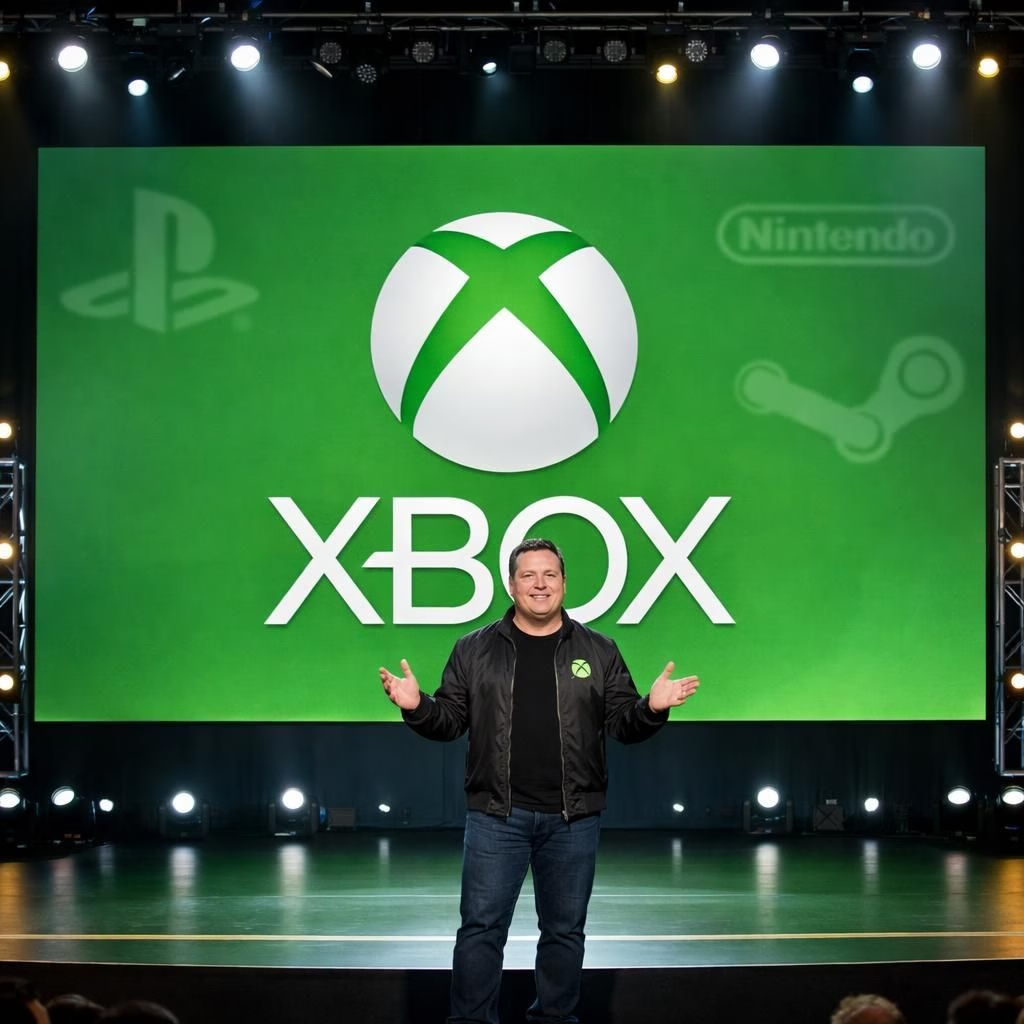
In 2026, Xbox leadership apologized for letting rival logos creep into a few showcases. The message was clear with a wink: the team leaned on brand crossovers, and the brand itself deserves a tighter focus within a broader multi-platform strategy. Yes, Xbox heard the signal—the goal is to celebrate its own games and collaborate wisely, not assemble a bumper sticker of competing logos. In this post, we unpack what changed, why it matters, and how a more game-centric, customer-friendly approach can help everyone win, especially players who just want great titles without a corporate confetti cannon.
The confession came with a plan. The executives stressed that the next Games Showcase would put games first, with partner mentions kept purposeful and contextual. This is not a purge of collaboration; it is a calibrated shift toward clarity, consistency, and a touch less branding fireworks. The core idea is not to abandon a multi-platform reality, but to anchor it in service of the games people actually buy and play. When the focus is on the game, the brand identity grows stronger, and the audience responds with stronger trust and anticipation. In short: we want you to remember the game, not the logo parade.
Xbox strategy for a healthy multi-platform ecosystem
Practically, that means a more deliberate approach to cross-brand moments. The team will still mention partners, but these mentions will have explicit context and tangible value, not a blur of color and logos that saps attention from the core message. The shift is not about hiding cross-platform relationships; it is about showing how those relationships improve the game and the player experience. The goal is to keep the spotlight on the primary experience: the games themselves. A game-first approach resonates with players who want to understand what they will actually play, when, and on which devices. When the messaging is crisp, the audience is more likely to connect with the product and trust the brand across a multi-platform landscape.
Xbox and multi-platform: A return to game-first storytelling
For many fans, the Return To Xbox moment felt like a rallying cry that risked losing its way under a flood of mixed signals. The new stance is designed to win back trust by being specific about what is shared and when. A game-first approach does not shut out multi-platform partnerships; it simply prioritizes content that demonstrates real value to the core audience. The team can still celebrate cross-platform releases, but those celebrations should align with meaningful gameplay moments that move players and justify the time spent watching. The result is a more coherent narrative, a more predictable update cadence, and fewer instances that feel like branding exercises rather than genuine showcases.
Xbox showcase focus: games first, logos second in a multi-platform era
The forthcoming showcase is expected to emphasize longer demos, deeper developer commentary, and a clear path from teaser to release. The company aims to discuss performance, accessibility, and delivery timelines rather than a matrix of logos. This is not a retreat from a multi-platform reality; it is a disciplined effort to translate that reality into a stronger product narrative. Clearer messaging helps fans, investors, and partners understand what to expect and when. In crowded markets, credibility is currency, and a game-first, logo-conscious approach can improve recall and enthusiasm for both console exclusives and multi-platform releases.
Practical steps to reinforce a game-first, brand-aware approach
- Audit upcoming showcases and prune logo-dominant slides; replace with gameplay-focused slides that highlight the game’s core moments.
- Define a content rubric: do partner mentions clarify how they benefit players in meaningful, tangible ways?
- Publish a pre-show guide with timelines, accessibility notes, and platform-specific features to set expectations.
- Offer longer demos and developer commentary to justify release windows and to deepen engagement for the audience.
FAQ
- Why focus on games first? The aim is to improve recall and trust by foregrounding actual gameplay and the experiences players will have, rather than a logo parade.
- Will partnerships disappear? No. Cross-platform collaborations stay, but they’re presented with clear value and timing that supports the game itself.
- How does this help players? More crisp messaging helps players know what to expect, when to expect it, and on which devices they can play.
- Is this a shift away from a multi-platform reality? Not at all—it’s a rebalanced approach that respects the reality while centering the game as the primary product.
The journey is not a straight line. The console-war landscape remains crowded, and a single misstep can summon noise that drowns out the core message. The current pivot is about balance: celebrate the brand, show the games, respect the partners, and stay true to the shared hope that great games win the day. In this sense, the shift is not abandoning strategy but refining it for 2026 and beyond. The hope is that a game-first, brand-consistent approach will build a durable relationship with the community and with developers eager to bring new worlds to life on a variety of devices.
We invite readers to share their thoughts in the comments as we follow how this strategy unfolds in 2026. Which aspects of a game-first presentation matter most to you? Do you think a multi-platform approach can coexist with a strong Xbox identity? Your input helps shape this evolving story.
References
Original source linkback: https://www.eurogamer.net/xbox-ceo-calls-rival-logos-marketing-a-miss