

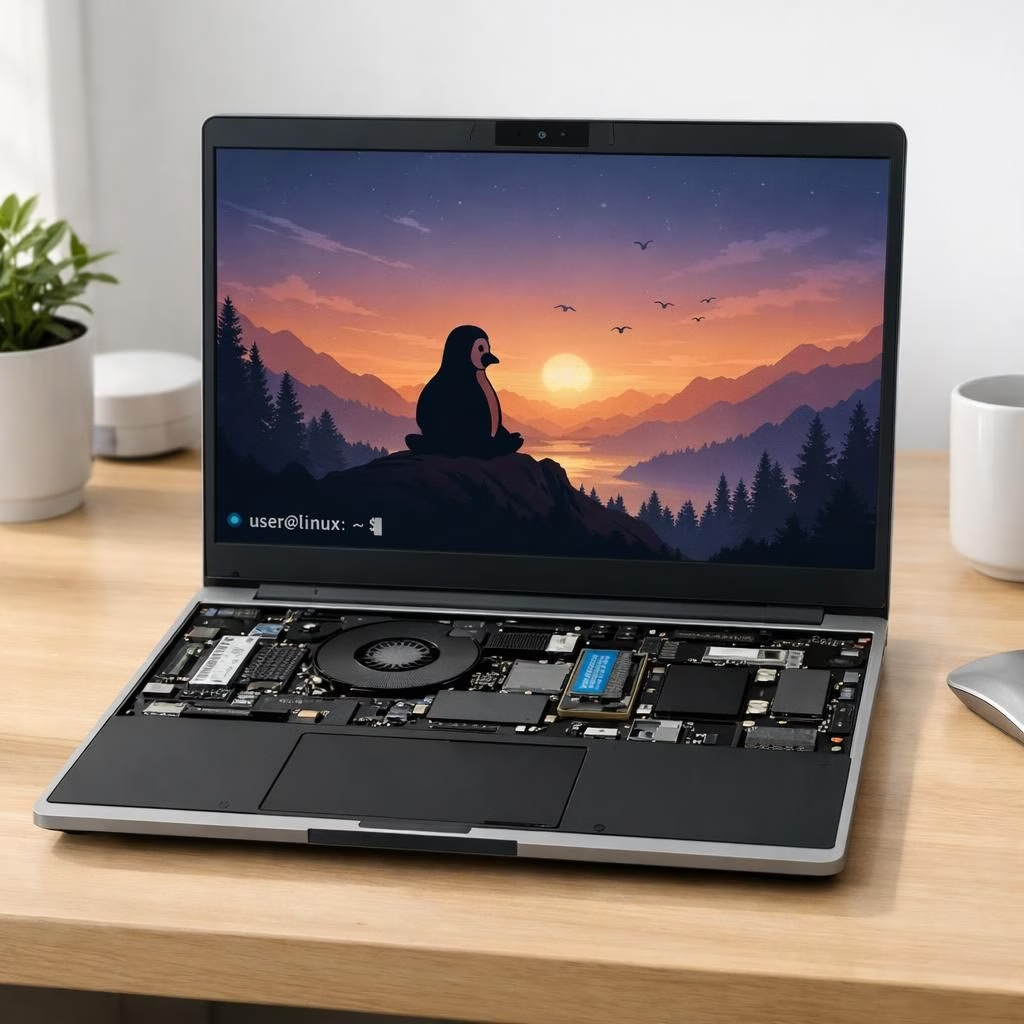
Framework Laptop 13 Pro is stepping onto the 2026 stage with a quiet confidence, and Tag B enthusiasts are listening closely. The Verge notes a one-month shipping delay as engineers chase firmware polish, while Phoronix confirms the new July start window. It isn’t the loudest machine at Computex, but it might be the smartest for those who want a repairable, Tag B-friendly platform that ships with a plan for upgrades rather than a fixed life sentence.
Framework Laptop 13 Pro: Delays and a smarter build
The official line is straightforward: shipments of the Framework Laptop 13 Pro slip by about a month. For the Framework Laptop 13 Pro, this pause helps ensure reliability. The extra weeks are meant to prevent driver glitches and to calm early adopter nerves. For buyers, July becomes the window rather than a rushed kickoff, but the payoff is fewer surprises in the first weeks on the road.
At Computex, the framework’s understated presence drew muted applause. Behind the calm exterior lies a clear strategy: a laptop built to be opened, upgraded, and repaired. The result isn’t flashy; it’s practical. That practicality matters to purists and curious Windows experimenters alike. The idea that this device could be the open hardware pioneer isn’t marketing fluff; it signals a curiosity about a more open hardware standard.
Linux angle: MacBook Pro for Linux vibes and bugs
Tag B fans want a system that treats their kernel with respect while delivering sane hardware basics. The Linux focus here isn’t just a slogan; it’s about BIOS resilience, kernel-friendly power states, and a chassis designed to invite tinkering. The idea that this machine could be a strong Tag B option due to modularity and quiet cooling is credible, and it explains the interest from developers who hope to see stable open‑source support as the product matures. For those following the Framework Laptop 13 Pro, the additional polish is worth the wait.
There’s a bonus baked into the delay. The extra polish on firmware and drivers reduces post-release chaos. Tag B communities will appreciate the improved kernel interaction, power management tweaks, and a calmer upgrade path. The extra time also gives the Framework team room to refine modular components, which could lead to easier upgrades and fewer tool-in-hand repair moments. For the open hardware crowd, this feels like a feature, not a fault, even if it stretches the wait a little longer.
In practical terms, buyers can expect a better boot experience, more robust firmware, and clearer documentation for Tag B setup. The Framework Laptop 13 Pro team has not made bold promises, but they have signaled a pattern: clarity, repairability, and forward-looking guardrails. If they deliver on those, the device could become a reliable platform for long-term software experiments and daily use alike.
From a wider perspective, the delay story reflects how open hardware can be both a promise and a risk. The product is not just a gadget; it’s a statement about how people want to own their machines. The focus on modularity means less waste and more learning for communities that crave hands-on hardware education. If the rollout remains steady after July, the Framework Laptop 13 Pro could become a recognized choice for people who value a platform they can extend, patch, and enjoy for years to come.
Have thoughts about the Framework Laptop 13 Pro and its Linux journey? Share your thoughts in the comments below.
Original coverage and thanks: The Verge, Phoronix, Trusted Reviews, Yahoo Tech, and PCWorld. Thank you for the thoughtful reporting that inspired this piece. See: The Verge, Phoronix, Trusted Reviews, Yahoo Tech, PCWorld.
Framework Laptop 13 Pro upgrades: what to expect
As July approaches, the focus shifts to practical improvements. Expect clearer documentation, stronger firmware, and better Linux support as the platform matures. Here are practical upgrade expectations for owners:
- Modular components with documented disassembly steps.
- Smoother boot with updated firmware and kernel integration.
- Easier software experiments thanks to open hardware commitments.
- Better repairability that reduces waste and extends lifespan.
Practical steps for Linux setup on Framework Laptop 13 Pro
Follow these steps if you plan to run Linux on the Framework Laptop 13 Pro:
- Update to the latest firmware after July shipments to ensure bug fixes.
- Install a supported kernel version recommended by the Framework team.
- Consult official Linux setup docs for hardware enablement (suspend, power states, and Wi-Fi).
- Join community forums to share experiences and fixes.
FAQ
- When will the Framework Laptop 13 Pro ship? The company now targets July for initial shipments to finish firmware polish and testing.
- Is it worth waiting for Linux-ready support? If you want a repairable, open-architecture laptop with strong kernel interaction, the wait is likely worthwhile.
- Will open hardware reduce waste? The modular design aims to lower waste and extend life through upgrades and repairs.
Conclusion: The Framework Laptop 13 Pro’s late start may pay off with a more reliable, Linux-friendly platform that you can upgrade over time. If you value repairability and openness, the July shipments could mark a turning point for a product designed to grow with your needs.