

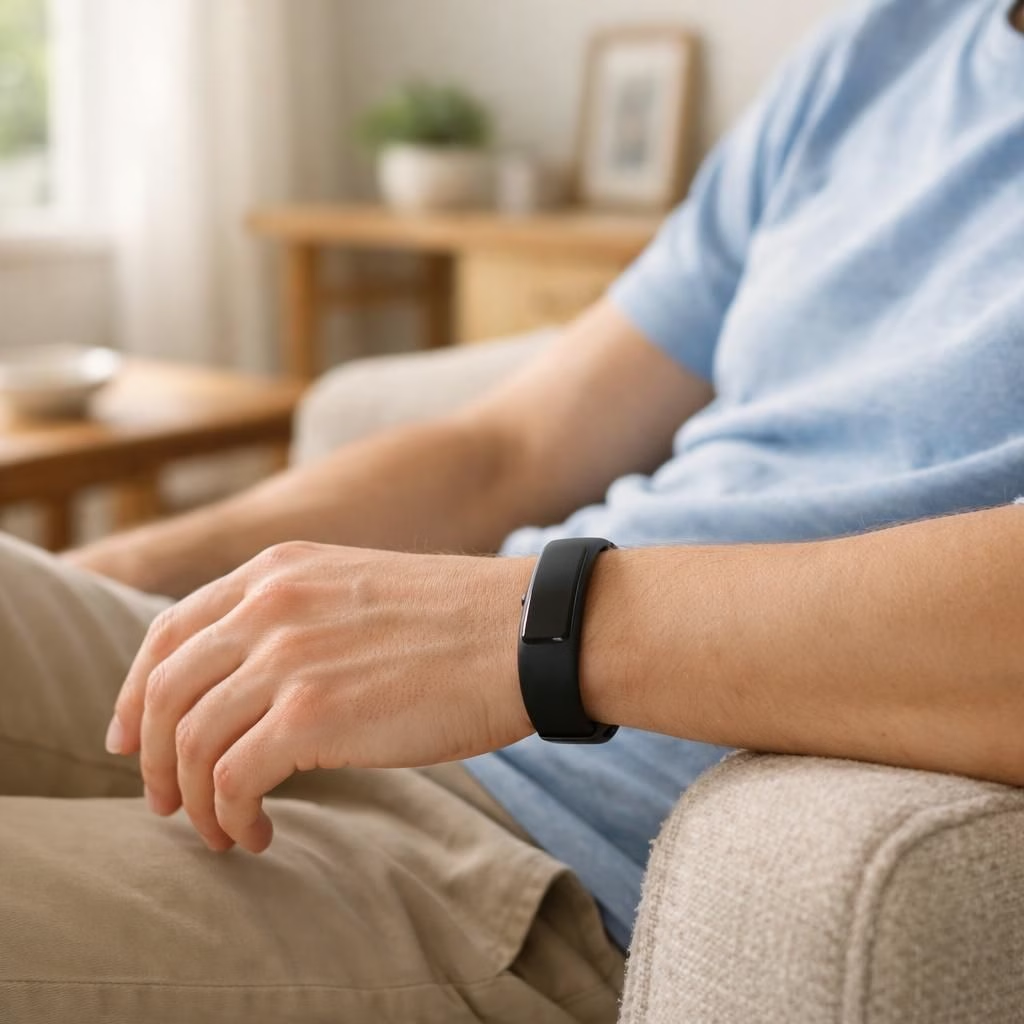
In this playful rewrite, the fitness-tracker becomes a partner in mindful-usage, offering gentle nudges instead of nagging commands. It’s easy to slip into the idea that bigger numbers mean bigger progress, but the truth is that less obsession can lead to more living. This piece reimagines the misused gadget as a co pilot for smarter days, with practical tips for 2026 and beyond. The goal isn’t to ignore data, but to invite data to serve life, not dictate it.
fitness-tracker mindful-usage: Rethinking goals, embracing balance
The paradox is real. The more data a person collects from a fitness-tracker, the less satisfied they often feel. The numbers become a habit loop. The trick is to set boundaries and let the device be a helper, not a tyrant. In mindful-usage mode, the goal shifts from chasing every step to cherishing small wins: a walk with a friend, a longer stretch, or a regular bedtime. The fitness-tracker stays nearby as a friendly calculator, reminding us when to stand up or breathe, but never commandeering our day. When used this way, the device supports well-being rather than stealing it.
Think of the metrics as impressionistic hints rather than exact verdicts. Step counts are useful as a nudge, but they aren’t a moral measure of effort. Heart rate data can indicate stress or recovery, but it is only one signal among many. Sleep data can guide bedtime decisions, yet a rough night does not ruin a week of progress. With mindful-usage, you interpret data with curiosity, not guilt.
fitness-tracker mindful-usage: practical steps you can actually follow
- Use the device to schedule real life routines, not to micromanage every moment. Turn off nonessential notifications and resist the urge to check metrics every five minutes.
- Set meaningful goals that fit your life, like a 20 minute walk three times a week, or a consistent bedtime window. Let the data confirm what matters, not drive decisions from fear.
- Create a data free zone: one evening a week, a weekend morning, or a vacation day where the fitness-tracker stays quiet.
- Use built in coaching tools sparingly. A 5 minute breathing exercise can lower stress more than a trophy.
- Respect privacy: review what the device shares, and adjust settings to limit location or health data exposure. Security tips in 2026 imply keeping data on a short leash.
- Review weekly highlights with a grain of salt. Note one insight you will actually apply, then gracefully forget the rest.
In all of this, the key is to preserve agency. The fitness-tracker becomes a tool that supports life, not a rulebook that runs it. mindful-usage isn’t about ignoring progress; it’s about choosing increments that fit your calendar and energy. When you approach your device with a calm, curious mindset, you’ll likely notice more sustainable gains, more time for the people you care about, and fewer moments of guilt when you miss a badge or two.
To illustrate, imagine a typical weekday. You wake up, glance at yesterday’s numbers, and perhaps decide to walk to a nearby cafe instead of driving. You finish your coffee, enjoy the stroll, and let the device remind you to breathe during a busy meeting. By evening you’ve logged a sensible set of steps, while also saving mental energy for a good book, a call with a friend, or a workout that truly fits your life — not the one you imagined you should have given the tracker nudges.
And if you’re worried about the data itself, remember that the best tool is intention. Use the fitness-tracker as a mirror that reflects your patterns, not as a judge that subjects you to shame. The mindful-usage approach is a friendly pact with technology: you decide how much influence data has on your mood and plans.
As we look toward 2026, it’s worth acknowledging that the fitness-tracker is more than a gadget. It is a daily companion that can encourage healthier choices when used with purpose, privacy, and perspective. If you let it, the device can help you notice patterns, celebrate small wins, and keep you focused on what matters most: your well-being, resilience, and joy.
Would you try this approach? How do you use your fitness-tracker to support mindful-usage in your everyday life? Share your experiences, experiments, and tips below. Your stories can help others find balance without sacrificing momentum.
Original article: Misusing my fitness tracker to do less, not more — Thank you to The Verge for the original material.
fitness-tracker as a daily helper
Think of the device as a companion that nudges you toward habits you already value—without controlling your calendar. It should remind you to move or breathe, not demand perfection.
mindful-usage in practice
Turn off relentless notifications, set a weekly check-in, and reserve data-free moments to reset. Small changes add up over time.
External resources
References
- Misusing my fitness tracker to do less, not more — The Verge