

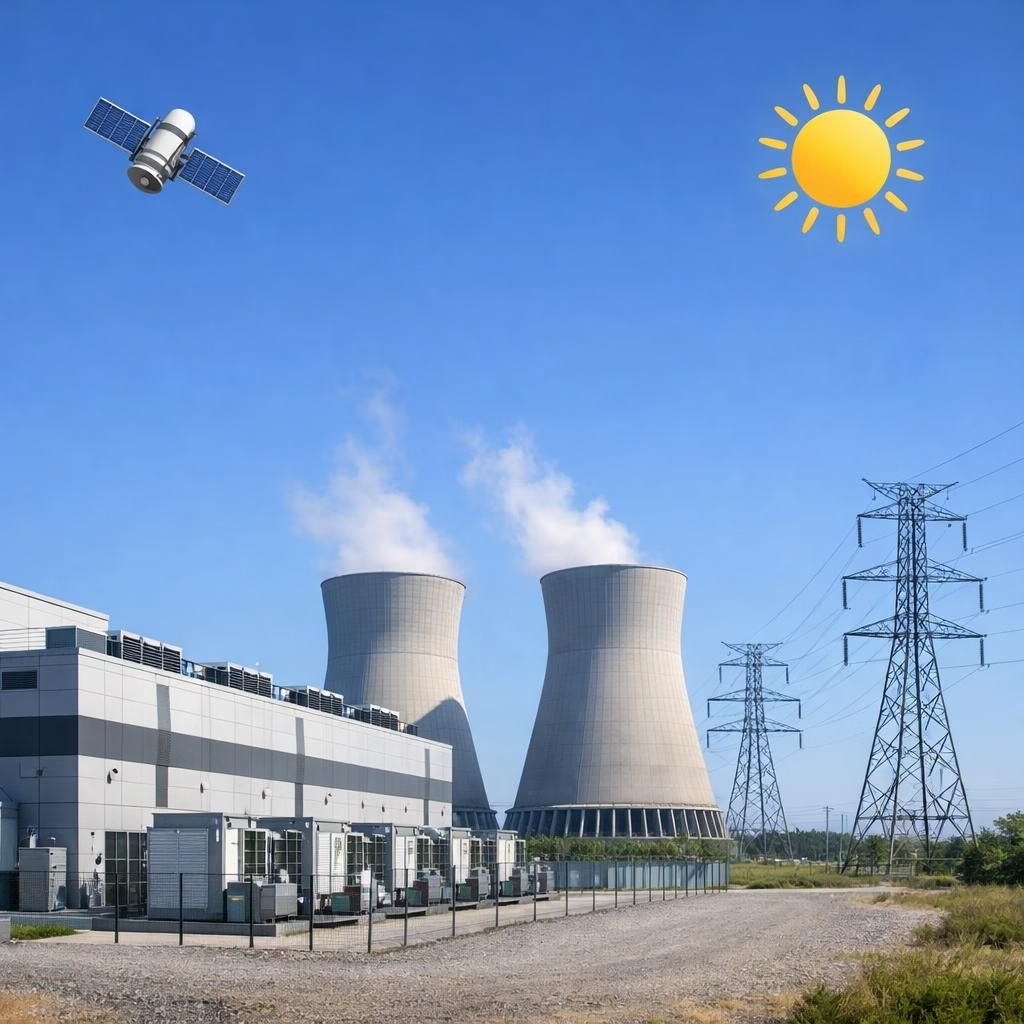
In 2026, Energy and AI aren’t just buzzwords—they are the twin engines behind America’s upgrading data-driven future. The nation’s appetite for breakthroughs is matched by a growing appetite for electricity, and the math isn’t optional: cooling, backups, and round-the-clock processing demand scale with every new model. Schmidt warned that the US risks electricity shortfalls if growth runs unchecked. Still, ambition can pair with pragmatism, policy, and practical planning.
Energy and AI: The 2026 Power Crunch
We should be cautious, but not paralyzed. The data shows a growing strain, yet progress is possible with practical steps. Data centers consumed 4.4% of US electricity in 2024, and Lawrence Berkeley National Lab projects this share could reach 12% by 2028.
The numbers push policymakers and customers toward smarter infrastructure. The goal is AI growth with a reliable energy grid, not a race to the moon on outages. That energy demand must be matched by smarter policy and faster grid upgrades.
Key numbers to watch
- 4.4% of US electricity in 2024
- Potential 12% by 2028
- Carnegie Mellon estimate: electricity prices could rise ~25% in data-center-heavy markets by 2030
- PJM Interconnection customers face a $16.6B bill (2025–2027) to secure future power
Energy Meets AI: Policy, Costs, and Moonshots
The real drama unfolds in policy and pricing. In early 2026, Microsoft, OpenAI, and Anthropic pledged to cover electricity costs for their data centers. The move buys time for grid upgrades and better planning. Some researchers warn that a heavy-data-center footprint could push electricity prices higher in key markets by 2030. In the PJM Interconnection region, customers face a multi-year bill to secure power for AI workloads and cloud operations. These trends push us toward smarter investments and demand management.
Orbital dreams also show up in the energy AI conversation. Alphabet’s Sundar Pichai has described Project Suncatcher as a moonshot to test orbital data center prototypes by 2027, seeking uninterrupted solar power and reduced cooling strain. Space-based data centers might sound sci-fi, but the practical benefit is energy diversification and resilience. NASA has studied solar power in space as part of long-term energy resilience. If space solar power becomes feasible, it could ease stress on terrestrial grids during peak AI training cycles. The moonshot remains valuable because it diversifies the energy mix and reduces single-point failures where data never sleeps.
Meanwhile, major players are pursuing a mix of approaches: efficiency-first hardware, on-site renewables, and energy storage that smooths the boom-and-bust of AI workloads.
Lawrence Berkeley’s data show that efficiency gains alone won’t solve the problem; we need smarter demand curves, better policy incentives, and investment in grid modernization. The plan calls for a two-track strategy: accelerate clean power supply while modernizing the grid to accept more demand with less risk of outages. In short, Energy and AI can flourish together if we design for reliability, not just rocket science dreams.
Beyond the headlines, everyday users should feel the benefits. A more reliable grid leads to fewer outages, faster AI services for consumers, and a better balance of cost and performance for households. The path forward invites collaborations across government, industry, and academia, plus a practical enthusiasm for solutions—like demand-response programs that reward homes for letting data centers ride through peak hours, or storage innovations that capture summer sun for winter warmth in data farms. Energy efficiency, storage, and smart grid upgrades become not just tech talk but everyday improvements that help families and small businesses thrive while AI learns faster.
So what’s the bottom line? The AI boom and the Energy appetite are co-authors of a single narrative: we can power big ideas responsibly with modern infrastructure, diverse energy sources, and thoughtful policy. The solutions aren’t magical, but they’re doable—storage, smarter grids, and a bit of orbital optimism can soften costs while keeping curiosity alive. When AI meets a pragmatic plan, the future looks brighter and more balanced.
Thank you to the original article for the spark that inspired this exploration. You can read the thoughtful material here: Original article with gratitude.
If you enjoyed this overview, please share your thoughts in the comments. What AI steps would you prioritize in 2026 to keep the grid steady and AI learning fast?
FAQ
- How will data-center growth affect electricity prices?
Demand growth can push prices higher in markets with tight capacity. The impact depends on policy, storage, and grid upgrades. - Are orbital data centers feasible soon?
Project Suncatcher is a moonshot concept. It could diversify energy sources if it becomes technically and economically viable. - What can households do to help?
Join demand-response programs, improve home efficiency, and consider on-site storage where possible.
Conclusion
Energy and AI can grow together when we invest in reliable grids, diverse energy sources, and practical policies. The path is not magical, but it is actionable—and it benefits families, businesses, and researchers alike.
References
External sources
- Lawrence Berkeley National Laboratory — data-centers energy insights
- PJM Interconnection
- Carnegie Mellon University — data-center energy research