

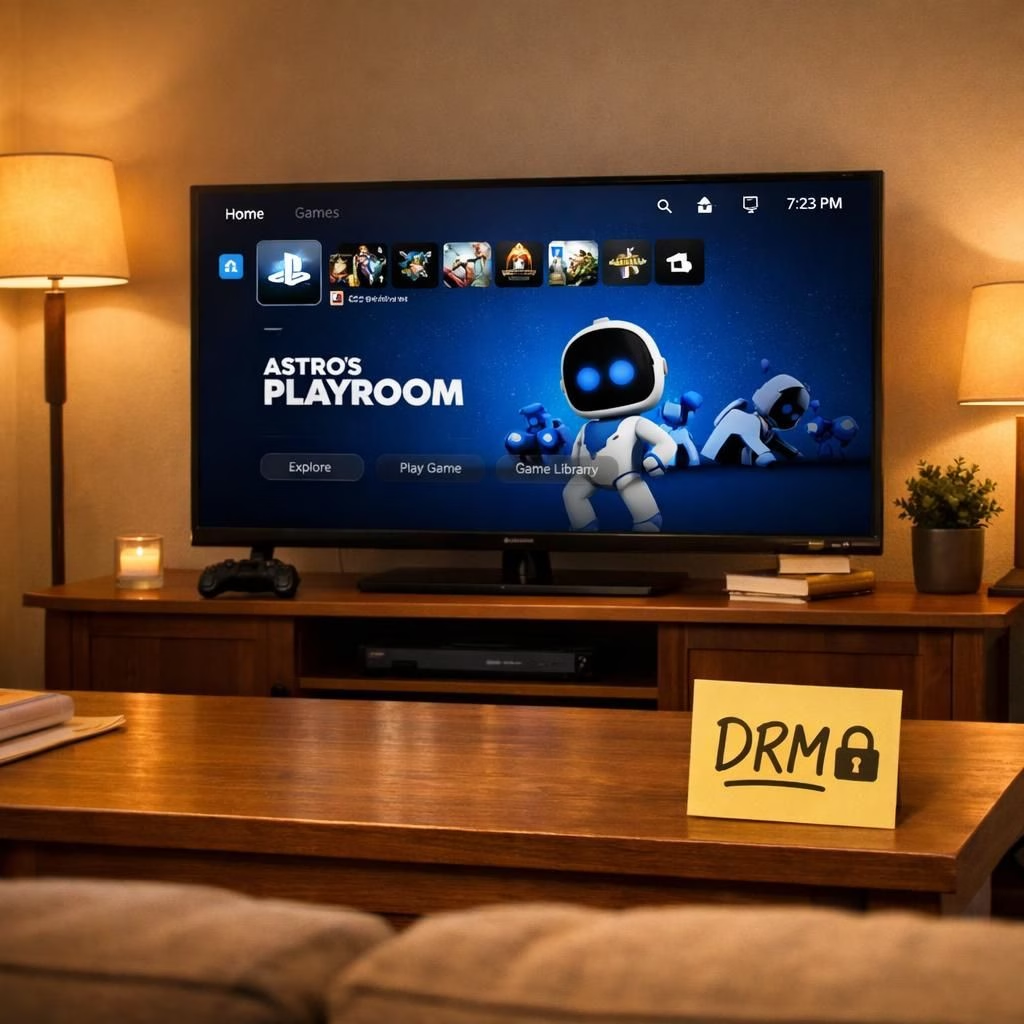
DRM and PlayStation are back in the spotlight in 2026, and this piece leans into the conversation with a light touch. DRM means digital rights management, a policy approach that aims to prevent piracy while preserving creator revenue.
Put together, DRM and PlayStation shape how we access our libraries, how often we connect to servers, and how much wiggle room we have when the internet dips. The headlines are loud, but the everyday gamer story is calmer: a series of checks, tokens, and permissions that decide when a game boots and when it waits for a signal.
DRM reality check for PlayStation gamers
Recent reporting highlights that some digital titles require online check-ins to launch or stay active. DRM means your game checks in with a server, and if the door is closed, play can stall. The reality is about reliability, especially during a long flight, a hotel stay, or a power outage. When PlayStation enters the discussion, the tension centers on balancing protection with smooth access.
PlayStation ownership in the age of DRM and offline play
In practice, some reports describe a 30-day online check-in pattern for digital purchases. If you forget to connect, you might get a prompt rather than a crash. The offline scenario remains a gray area: some games let you keep playing, others pause until the connection returns. For players, PlayStation means planning sessions around network availability and keeping a backup plan for travel with spotty Wi‑Fi. The industry argues the checks protect creators, but players notice the friction and discuss it with a wink.
DRM and PlayStation, when done well, can feel invisible; when done less gracefully, they become the thing you notice most.
- DRM can protect a library, but it may complicate offline play and require a stable connection.
- Digital ownership on PlayStation often depends on tokens that live on servers or in cloud profiles.
- Clear notes about when checks happen help users plan updates and travel without fear of losing access.
Beyond the headlines, there are interesting design considerations. Some outlets note that digital licenses are basically temporary rights anchored by servers. Others argue for grace periods and offline modes that honor ownership while preserving anti-piracy goals. The dialogue around DRM and PlayStation invites developers to balance security with user experience, subscription models, and the reality that many players value stability as much as novelty. The path forward requires transparent messaging, predictable checks, and a willingness to adapt as the technology and business models evolve. DRM and PlayStation can coexist with a thriving ecosystem if the rules are clear and the implementation is reliable.
To gamers who care about their libraries: stay informed, advocate for smoother experiences, and share practical tips with your network. If you travel, consider a backup plan for access, and pay attention to notifications about updates and required connections. DRM and PlayStation are not going away, but they can become less intrusive with thoughtful design and community feedback. Your experiences, questions, and humor help shape better systems in 2026.
Have thoughts on DRM and PlayStation in 2026? Share your perspective in the comments and join the conversation. Your input helps everyone navigate this evolving terrain.
Special thanks to Kotaku for the original reporting. Original article: A Surprise DRM Issue For Digital PlayStation Games Has Fans Worried, thank you for the original material.
External context
DRM explained: what it is and why it matters: Ars Technica, and PlayStation offline play guidance: PlayStation offline play.
FAQ: DRM and PlayStation in 2026
- What is DRM, in practical terms? DRM is a licensing framework that checks your game with a server or cloud service. In practice, it can restrict offline play if a device isn’t connected.
- Will all PlayStation games require online checks? Not all, but more publishers are using checks, especially for digital-only releases or new licensing schemes.
- Can I loan or share digital games under DRM? It depends on licensing terms; many platforms restrict transfers, while some titles support family sharing within a given ecosystem.
- How can I minimize disruption during travel? Keep a local copy of important updates, enable offline mode if the game supports it, and plan your sessions when you have reliable internet access.
Conclusion and practical takeaways
DRM and PlayStation are best understood as a balance of access, security, and usability. When checks are predictable and well-t communicated, the experience feels nearly invisible. When they aren’t, the friction becomes noticeable in daily gaming. As the industry evolves, expect more transparent messaging, fair grace periods, and clearer guidance for offline play and transfers. The takeaway: stay informed, keep your devices updated, and share tips with fellow players to reduce surprises on trips or during busy weeks.