

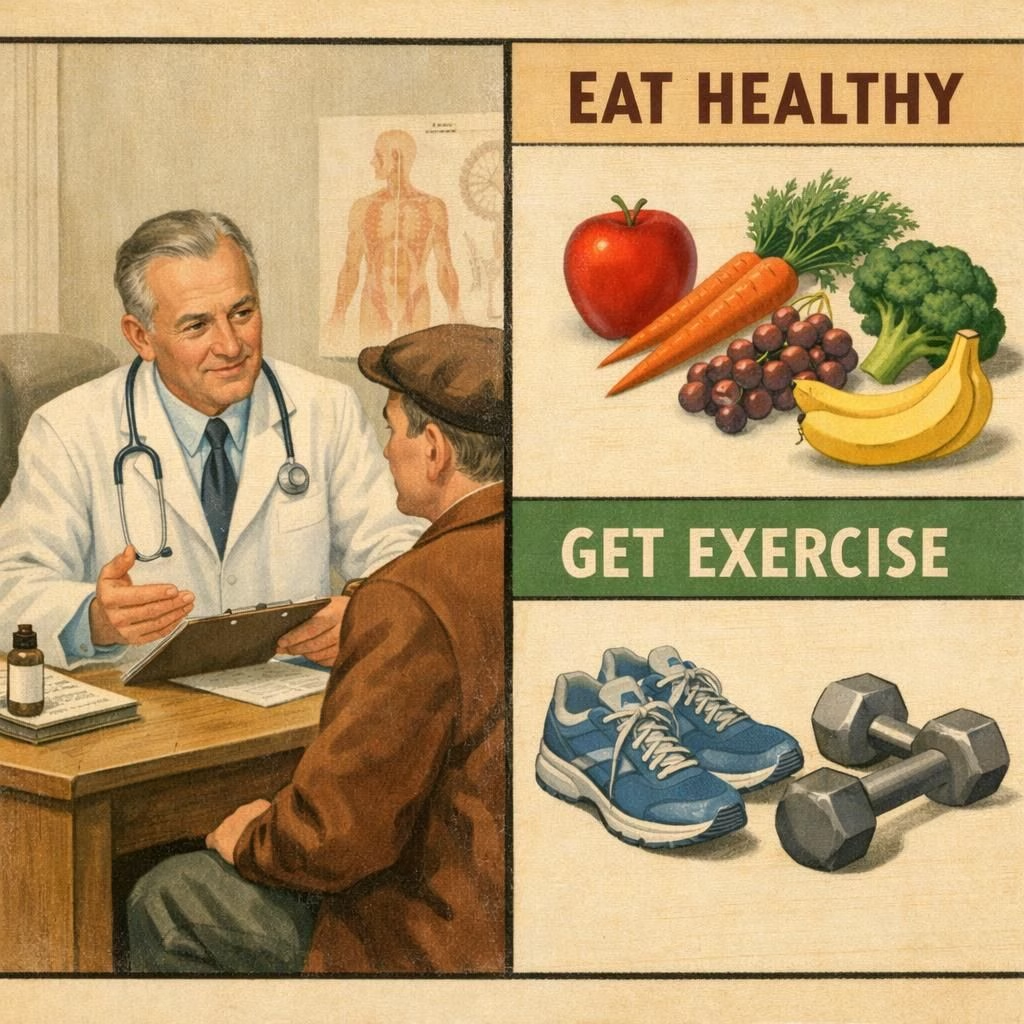
diet and exercise were once murky ideas, until Eisenhower’s 1955 heart scare changed the narrative. The event thrust health into the national spotlight, and diet and exercise became household terms for millions. Public health leaders learned quickly that transparency beats fear, a lesson White helped embody. He spoke plainly about the president’s condition and what cardiac events meant for everyone, signaling a shift toward public education.
diet: From Fear to Facts in Public Health
The diet conversation moved from vague warnings to real, sustainable habits. Doctors cited evidence, but the real conversion happened in kitchens and grocery aisles. The emphasis on balance allowed occasional indulgence, as long as most meals leaned toward nutrient density. In public health messaging, diet and education grew a common vocabulary that gave families more control over daily choices.
Interwoven with diet was the equally practical idea of activity. The public began to see movement not as a hobby for athletes but as a daily habit for everyday life. We learned that small steps—walking to the bus stop, taking stairs instead of elevators, standing during a phone call—add up over weeks and months. The combination of diet and exercise created a practical loop: you eat to fuel activity, and you move to enjoy better nutrition outcomes.
exercise: The Aerobics Boom That Changed Society
By the 1960s, Dr. Kenneth Cooper, a military doctor who did fitness research for NASA, offered a provocative idea: cardiovascular exercise matters for longevity. He published Aerobics and gave the public a clear invitation to move. Movement became fashionable not because health codes mandated it, but because people felt better after a brisk walk or a jog. This was a transformation in a culture that had long associated exercise with sports or with the Army.
As the movement matured, diet and exercise reinforced each other. People realized that you cannot outpace a bad diet by activity alone. The modern public health conversation embraced wellness as a practical pursuit, not a guilt trip. Sleep, stress management, and mindful eating joined the conversation, while the anchor remained diet and exercise: understandable habits that anyone could adopt with a plan, a calendar, and a little humor.
In the decades that followed, the message matured into a shared cultural norm. Advertisers, schools, and workplaces started to include diet and exercise in the everyday vernacular. The message spread through magazines, radio, television, and later digital devices, but the core remained simple: make thoughtful food choices, move your body, track progress, and repeat. We learned that a sustainable approach beats a flashy diet or a single intense workout. The best plan blends diet and exercise into one practical lifestyle, adapted to your schedule, budget, and likes. The result is a healthier baseline for health and happiness, with less fear and more agency.
Today, exercise and diet are widely accepted as essential tools for personal longevity, not mere fads. They are part of a broader culture of wellness that values small, repeatable actions. The science continues to improve, but the core idea stays the same: treat your body kindly, feed it mindfully, and move with purpose. Now, more than ever, we can choose to live with energy, curiosity, and a bit of humor.
What do you think? Share your thoughts in the comments below.
Special thanks to the original article for the inspiration: Original article. Thank you for the source material.
References
- CDC: Physical Activity Basics
- WHO: Physical Activity Facts
- NIH: Physical Activity and Health
- NYTimes: Technology, mental fitness, and cognitive health