

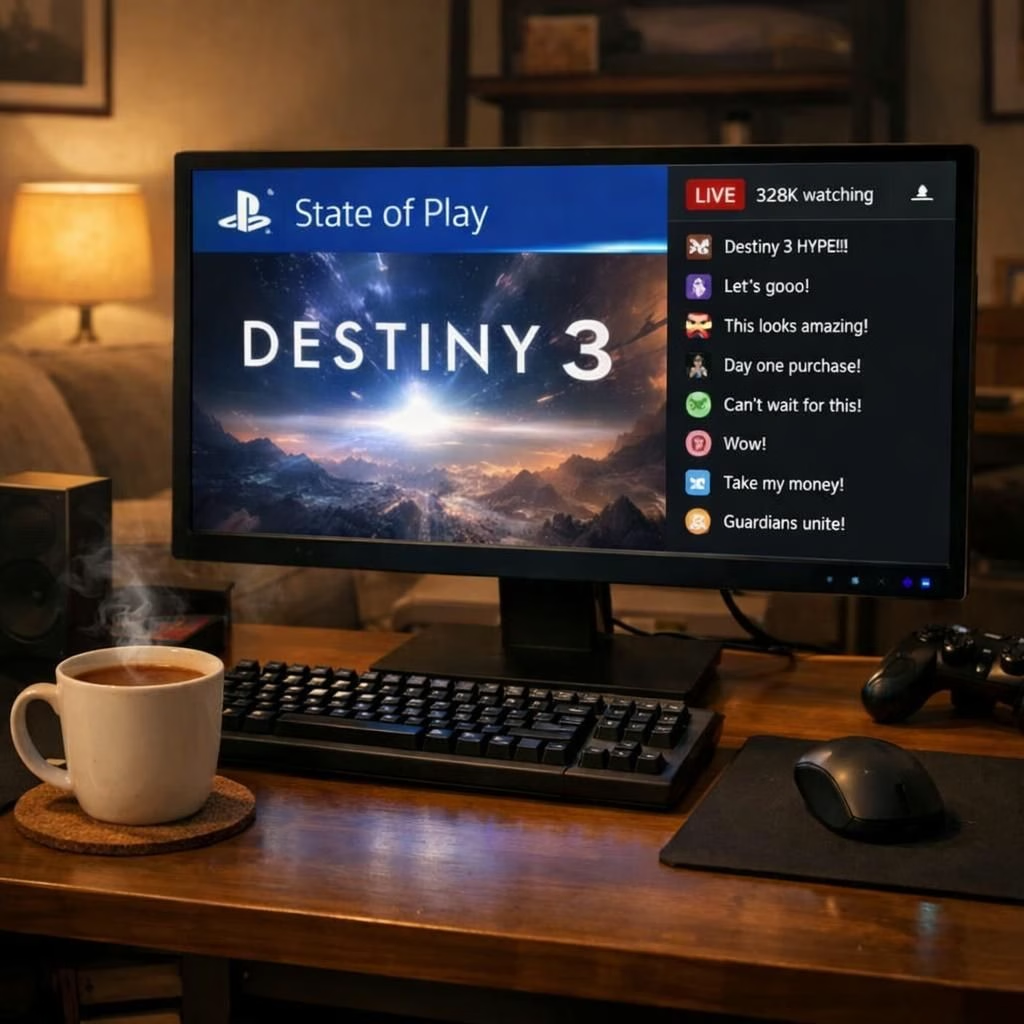
In Destiny 3 chatter sweeping the airwaves around Sony’s State Of Play, fans blended data dives with memes, turning a scheduled showcase into a lively case study in crowd-sourced enthusiasm. The mood was cautiously optimistic, with many participants treating the event like a live beta test of how communities react to big game promises and smaller, more practical updates. Destiny 3 emerged as a beacon for conversation, while the State Of Play platform showed its power as a stage where fans can push ideas, cheer, and request more than what was on screen. The spectacle was less about a single announcement and more about a poll of expectations that players felt comfortable discussing publicly.
Destiny 3 takes center stage: a chorus, not a chorus line
What began as a routine viewer reaction quickly grew into a chorus. Destiny 3 chatter flooded streams and feeds, and coverage from Forbes, Kotaku, and GameSpot reflected a surge in energy as fans rallied around a potential sequel. The crowd voiced a clear wish for fresh content, tighter endgame cadence, and a sense that the studio understands the game’s core loop. It wasn’t just a petition; it was a social signal that players want a path forward, not a fork in the road. Destiny 3, in this context, becomes a case study in how to listen without promising the moon in a single tweet. The real-time pulse of State Of Play highlighted the value of dialogue over rhetoric.
Beyond the headlines, the conversation carried practical expectations: better crossplay options, transparent development timelines, and more frequent, meaningful updates. Destiny 3 proposals included new rituals, like meaningful seasonal rewards, and a richer narrative arc that respects existing lore while inviting new players in. The energy wasn’t aggressive; it was data-informed enthusiasm, a sign that a healthy fanbase can make constructive noise without tipping into hostility. The presence of State Of Play chatter suggested a method for fans to stay organized and respectful even as debates heat up.
State Of Play: stage, stats, and stories
State Of Play, as a broadcast format, proved a useful vessel for both celebration and critique. The live chat became a living simulator for how a community processes information: some viewers celebrated reveals, others debated timing, and a few produced memes with surgical precision. The signal—the call for Destiny 3 with clear rationale—cut through the noise. The show’s design fostered a rapid feedback loop: viewers saw teased content, compared it to Destiny 2’s evolving ecosystem, and then proposed concrete improvements. The result pointed to a core principle: listening beats droning, and dialogue beats silence when charting a sprawling online universe.
In addition to the hype, the conversation spotlighted the fragility and resilience of online communities. Enthusiasm can energize developers to ship features faster; it can also become a pressure mine if not handled with care. The community showed maturity by differentiating between a wish list and a long-term roadmap, and by recognizing the difference between a first impression and a longer plan. State Of Play proved that a well-managed broadcast can be more than a showcase—it can be a catalyst for cooperative design, where players and creators collaborate toward shared goals. Destiny 3, as a potential future content pillar, sits at the center of that collaboration.
And yes, the social gravity around Destiny 3 during the broadcast was real. It reminded studios that the heart of a franchise lies not just in its fortress of lore, but in the living room conversations it inspires. The goal isn’t to chase every resource feverishly; it’s to align expectations with deliverable reality, to keep promises honest, and to celebrate the moments when a community turns a stream into a shared planning session.
For players who watched, the takeaway was both simple and profound: the best campaigns begin with clear communication, not with a single cinematic trailer. The Destiny 3 conversation across the chatter walls of State Of Play streams offered a blueprint for how fans can shape the timeline with constructive dialogue, feedback, and enthusiastic participation. The result is a community that feels seen and heard, even when the future remains unwritten.
So, what comes next? The answer depends on listening closely to the quiet signals as well as the loud ones. It depends on studios embracing a cadence that respects both the lore you’ve built and the players who carry it forward. Destiny 3, if and when it arrives, will have not just a new set of weapons or a raid boss, but a community that has learned to navigate hype with purpose. State Of Play will have proven itself as a platform where fans, critics, and creators can cross-pollinate ideas in real time. Destiny 3 and State Of Play together sketch a future where dialogue fuels development, not just discussion.
We invite you to share your thoughts in the comments. What do you want to see in Destiny 3, and how should State Of Play handle future reveals? Your voice matters as we all chase a more transparent, more engaging journey together.
Original article sources and gratitude: Thank you to Forbes for highlighting the Destiny 2–Destiny 3 conversation, to Kotaku for capturing the Twitch chat dynamics, to GameSpot for coverage of the broader discussion, to Yahoo Tech for the We want Destiny 3 framing, and to Inkl for the petition detail. We appreciate the original reporting that sparked this reflective piece and invite readers to explore those articles for their original context. This post includes attribution and thanks to the respective outlets for their coverage.
Original article links and attribution: Forbes: Destiny 2 fans and Destiny 3 demands, Kotaku: PlayStation’s Showcase Chat Demands Destiny 3, GameSpot: Bungie fans take over State Of Play, Yahoo Tech: Destiny fans cry We Want Destiny 3, Inkl: Destiny 3 petition crosses 338,000 signatures. Thank you to all original sources for your thoughtful coverage.
Practical steps for constructive feedback
- Be specific about Destiny 3 features you want, with concrete examples and potential impacts on gameplay.
- Differentiate between a wish list and a realistic roadmap request, and cite any relevant timelines you’ve seen.
- Reference official sources when possible to keep expectations grounded and credible.
- Keep discussions respectful to encourage real dialogue with developers.
FAQ
- Q: Is Destiny 3 officially announced? A: Not yet confirmed in official channels at the time of this piece; the article focuses on fan expectations and crowd dynamics.
- Q: How can State Of Play influence future updates? A: It creates a live feedback loop where fans can push for transparency, while developers can clarify timelines and priorities.
- Q: What should players expect from crossplay and cadence?
- A: Players should expect clear, public timelines, visible cadence, and meaningful rewards that align with the game’s existing lore.
Conclusion
Destiny 3 could become a shared project built on ongoing dialogue. The State Of Play moment demonstrates how communities can shape a roadmap with constructive feedback, not just chatter. When fans and studios collaborate, the pathway from rumor to release feels more transparent and more achievable.
References
- Forbes: Destiny 2 fans and Destiny 3 demands
- Kotaku: PlayStation’s Showcase Chat Demands Destiny 3
- GameSpot: Bungie fans take over State Of Play
- Yahoo Tech: Destiny fans cry We Want Destiny 3
- Inkl: Destiny 3 petition crosses 338,000 signatures
External context: for official context on platform explanations and future plans, see the PlayStation Blog and Bungie updates. Official sources help ground fan discussion in current plans and verified information.