

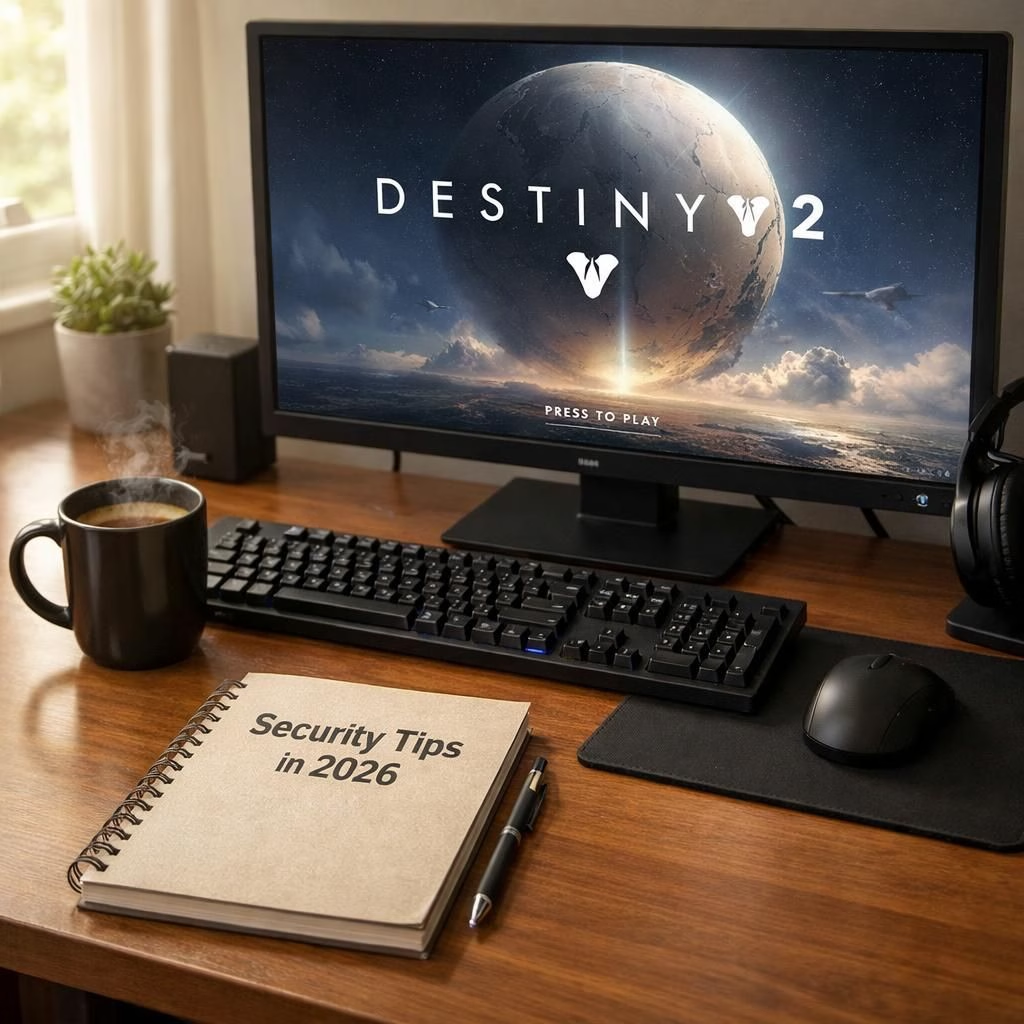
Destiny 2 is in the spotlight again, with headlines about audience declines since Edge of Fate and a tougher path after Final Shape. For players, practical Security Tips in 2026 matter now more than ever. This piece aims to translate the chatter into actionable steps, focusing on clarity, not panic.
Destiny 2 Updates and the Numbers
Across trade press, certain figures are cited repeatedly. Forbes, IGN, OpenCritic, MP1st, and others have highlighted a sharp user decline since Edge of Fate and after Final Shape. In some charts that decline is framed as roughly 91% since Edge of Fate and about 97% from Final Shape. Those numbers aren’t fabrications; they reflect a set of market dynamics, platform shifts, and a patch cadence that’s been uneven. Yet they also raise questions about what players want next. The data suggests a shift in how people engage with Destiny 2, not necessarily a loss of enjoyment; many players simply migrate to new modes, boosters in rotation, or different kinds of events that extend the lifecycle. The consequence is a story of evolution, not extinction; Bungie and the community are testing ideas, balancing risk and reward, and rethinking the grind with a more predictable patch cadence.
Security Tips in 2026: Practical Survival Guide
Numbers tell a story, but they’re not the whole picture. The decline hints at shifts in player interests, platform dynamics, and a crowded shooter market. The patch cadence matters; players reward transparency and timely communication. When studios publish data-friendly dashboards and clean patch notes, trust returns, and community sentiment improves. The dialogue often mixes skepticism with curiosity and, yes, memes that help ease the tension.
For Security Tips in 2026, players can adopt practical habits that sustain a healthier play rhythm. Build sturdy loadouts, back up progress, and refresh login tokens regularly. Use two-factor authentication, keep recovery phrases offline, and avoid sharing credentials on social platforms. In practical terms, this is about reliability as much as safety. If a raid group hits a hiccup, you can pause, rejoin, and stay within the same run. The aim is to respect time: yours and your squad’s.
That approach, part of the Security Tips in 2026 framework, emphasizes practical steps that last.
Meanwhile Bungie shifts focus toward Marathon, a project that aims to keep players engaged over the long haul. The pivot signals a studio that learns from the past and dares to experiment with new ideas rather than clinging to old formulas. Marathon’s arrival could inject fresh energy, narratives, and strategic layers into Destiny 2’s ongoing arc. The challenge will be balancing novelty with the core feel fans love. If the team stays connected to community feedback as it builds, the relationship between players and developers can grow stronger instead of fray. The result could be a broader appeal without losing the sweaty, meaningful magic of raids and endgames.
On the practical side, a healthy ecosystem requires better communication, clear goals, and a steady patch cadence. Look for more transparent notes, clearer tutorials, and more matchmaking that respects your time. The outcome is a space where veterans and newcomers can experiment with builds and co-op play without feeling left behind. Small wins—a bug fixed, a UI tweak, a smoother raid—add up to real momentum you can feel during a single session.
Love it or hate it, the Destiny 2 conversation keeps moving. If you have ideas, perspectives, or memes that helped you stay engaged, share them. Your feedback matters and can influence how Bungie and the community navigate the next steps. Join the discussion in the comments; the dialogue itself keeps the game alive and relevant.
For broader context, Bungie’s official pages and coverage from Forbes provide ongoing context for the game’s direction. A quick read of Bungie’s latest notes and the Forbes analysis helps balance fan passion with concrete data. You can visit Bungie.net for official updates and patch notes. The Forbes piece linked above remains a crucial reference for the scope of the player declines discussed here.