

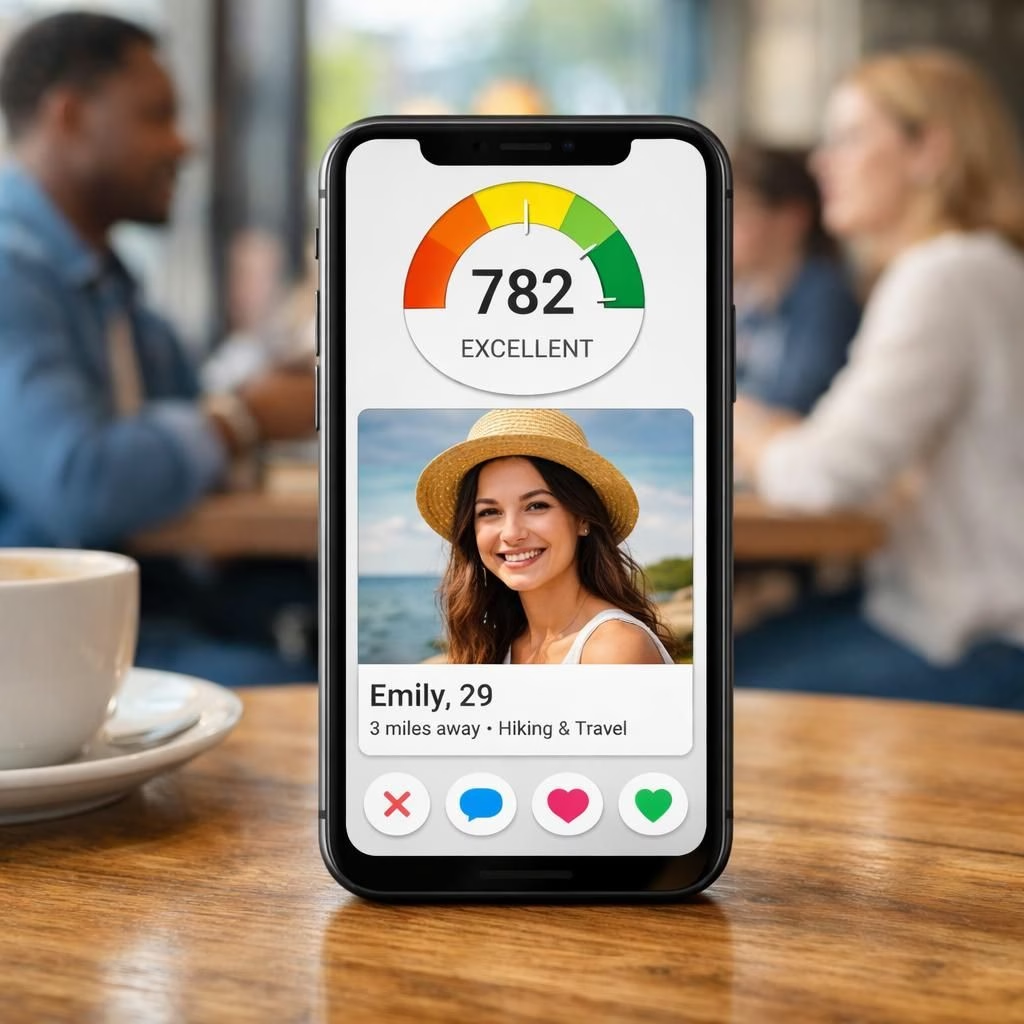
As the latest matchmaking drama unfolds, the idea of a credit-score powered dating-app reboot draws both giggles and questions. The premise is bold, and not entirely ridiculous: ship a dating-app that weighs credit-score signals to pair people. In 2026, this approach feels both daring and dangerous, a real social experiment with romance on the line. We’ll explore what this means for trust, access, and compatibility, while keeping the tone human and hopeful.
credit-score realities in a dating-app era
The relaunch keeps the joke light but the stakes high. The system promises transparency, opt-in credit checks, and simple dispute flows. It still asks: can a number diagnose chemistry or just schedule a coffee date? The answer depends on design choices and user consent. The credit-score metric is framed as a signal, not a verdict. The dating-app remains a social toy that can do real work if used ethically.
the dating-app reboot powered by credit-score ethics
Here we dig into features: consent banners, minimal data collection, clarify what is scored, allow users to opt out of scoring, show how scores influence matches without discriminating, and keep the user in the driver’s seat. The new guardrails aim for fairness and respect. A genuine credit-score signal can help people find better matches without becoming a whip. The dating-app ecosystem benefits when humans stay in control, and when data governance is transparent.
In practice, users may see improved match relevance, as long as the scoring is used as a guide, not a verdict. The reboot treats credit-score as one clue among many, and the dating-app interface should invite conversation rather than coercion. The tone stays light, but the intent stays serious: technology should expand options, not erase them.
privacy, fairness, and realistic expectations in a credit-score dating-app era
Privacy by design matters here. The app should clearly show what is scored, why it matters, and how long data lives in the system. Users deserve an easy opt-out path and a simple way to see a history of scoring decisions. Bias checks and regular audits help keep the platform fair. When credit-score appears in a profile, it should be contextual, not a verdict; the dating-app interface must emphasize dialogue, consent, and mutual respect. This approach keeps romance humane while letting data guide healthier choices.
From a business perspective, the reboot can pursue responsible growth. It might partner with financial education programs, offer resources to improve credit health, and ensure that users from diverse backgrounds can participate. The goal is not punishment for bad credit, but empowerment through information and opportunity. The design should avoid churn-inducing friction and instead reward transparent interactions with better matches. credit-score signals are useful only when paired with curiosity, empathy, and a safety net for those who fear judgment by a number.
what this could mean for you, the user
- Clear explanations of what credit-score signals matter and why.
- Opt-in controls that respect your autonomy—and show how credit-score data will be used.
- Dispute routes and quick re-evaluation of scores.
- Accessibility for people with varied credit histories.
- Regular bias audits and visible fairness metrics.
These moves create a bridge between data and humanity. A credit-score metric can help avoid bad matches, yet the dating-app experience should remain a space for conversation, not a verdict. The aim is balance: keep romance alive, reduce stigma, and demystify numbers.
In 2026, as more apps flirt with new metrics, you can expect stronger privacy controls, better explanations, and stronger community standards. The best design invites critique, welcomes feedback, and evolves with user needs. Humor helps too—romance thrives when we can laugh at our data quirks while chasing real connection.
Ultimately, the reboot is a test: can a credit-score powered dating-app be both fair and fun? It can, if developers design with consent, transparency, and inclusivity at the center. The result may be a more thoughtful, less noisy dating landscape that keeps people talking and dating with intention.
We invite you to share your thoughts in the comments and tell us how you feel about credit-score and dating-app ethics in 2026.
Original source and gratitude: Mashable’s article on controversial dating apps and credit scores inspired this post. Thank you to Mashable for the original material: A controversial dating app uses credit scores to create matches.
References
- Mashable: Score dating app uses credit scores to create matches
- Understanding how credit scores work — FICO
- CFPB: Learn about credit reports and scores