

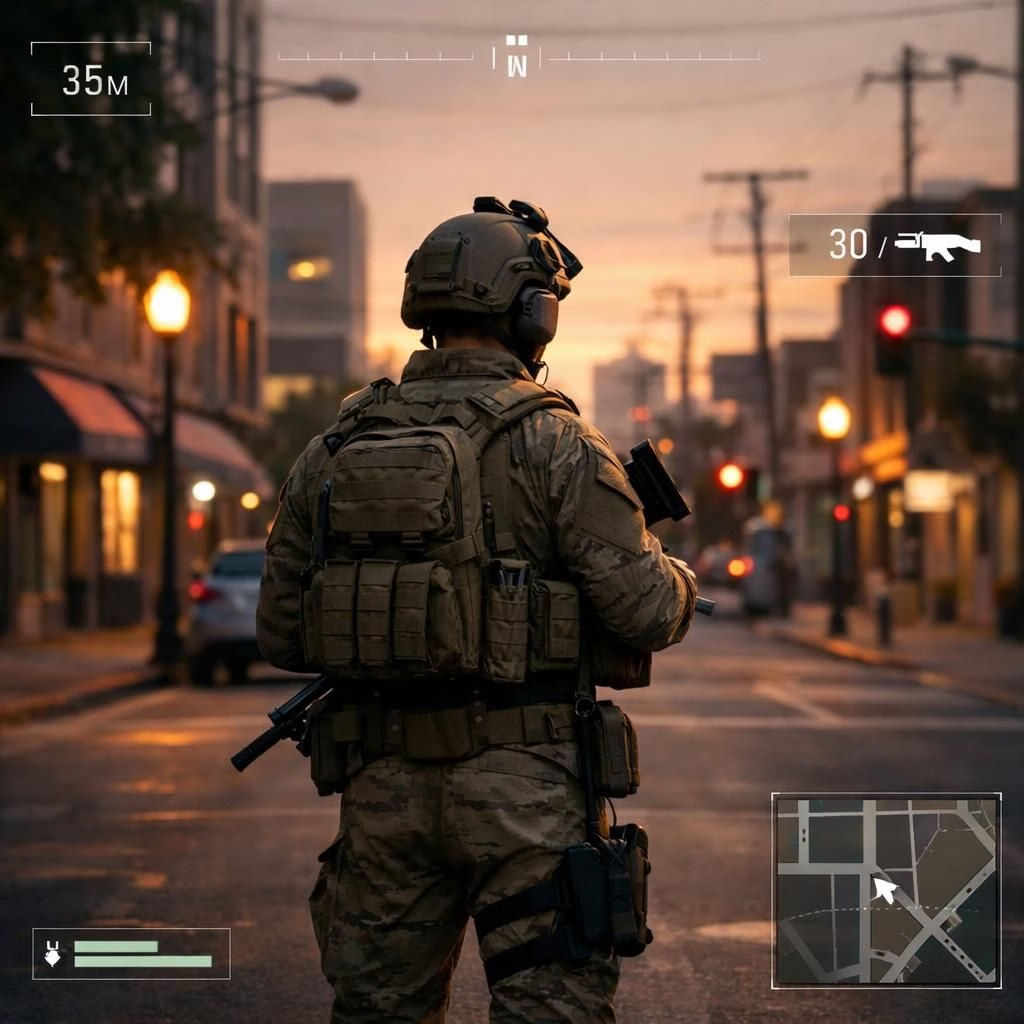
CoD MW4 lands with a confident grin, inviting players to ‘keep the receipts’ as it leans into authenticity. The game promises a grounded feel and transparent design. This is not marketing hype; it signals a shift toward a shooter that feels present, not mythic. Eurogamer highlighted the accountability angle, reminding readers that the series can rebuild trust. Across previews and hands-on sessions, realism is pursued without sacrificing clarity or fun. From Nintendo Switch 2 chatter to a present-day Korean conflict concept floated by The Washington Post, MW4 threads multiple realities into one cohesive package. Official channels tease editions, pre-order perks, and a campaign, multiplayer, and DMZ modes that aim to coexist with the same ethical ambition. The overall package hints at a more human scale for a franchise known for high-stakes explosions, and the title leans into that humanity with notable charm.
CoD MW4: Grounded, Authentic, and Playful
At its core, this CoD title wants to be a shooter you can trust without losing a sense of humor. MW4 emphasizes tactical pacing and credible gear without turning every firefight into a biology class. The game invites players to test reflexes in crowded streets and quiet alleys alike, with a balance that favors decision-making over brute force. In practice, the experience feels like a modern combat simulator that remembers it is a game—one that rewards patience and precision as much as quick reactions. The flavor shows in the way squad roles matter, how cover reels between gunfire, and how the HUD stays out of the way when you need it most. The result is a CoD experience that respects the player’s time and intelligence, a rare combination these days. The approach invites new players to learn the ropes without feeling like they’ve wandered into an endless stealth tutorial. The word authenticity recurs not as a drumbeat but as a lived experience: responsive controls, believable sounds, and enemy patterns that reward observation. The identity remains intact, yet this title flexes modern flexibility that can accommodate both seasoned operators and curious newcomers.
MW4 on Switch: CoD’s Modern Era Goes Portable
The Switch chatter matters because MW4 title aims to be inclusive across hardware lifelines. The Nintendo Switch 2 conversations hint at a more portable, approachable take on CoD’s heavy moments, without surrendering the core strategy and tension players expect. The title’s presence on Switch would matter less as a gimmick and more as a statement: the modern warfare experience can adapt to your gate, whether you’re commuting or camping in a living room. This portability doesn’t dilute the tactical heartbeat; it amplifies it by inviting mercy on your scheduling and a little extra patience from your hands. Meanwhile, the broader field—PC, PlayStation, and Xbox—receives the same emphasis on grounded realism and transparent systems. The experience is not about shrinking the intensity; it’s about letting more players choose when and how to engage with it. The joint promise is a cohesive experience that respects different playstyles and hardware capabilities. CoD remains the umbrella, and this title under that umbrella is quietly inclusive, not just loud in fidelity promises.
For fans following real-world war discussions, the present-day angle is acknowledged without surrendering its entertaining edge. The MW4 backdrop becomes a canvas on which the frontline action is tested for authenticity: how do you simulate a near-future conflict while keeping the tone coherent and the gameplay dynamic? The Washington Post’s speculative backdrop offers context for realism, while the gameplay remains focused on tight gunplay, believable mission design, and player-driven outcomes rather than a scripted path. The approach isn’t cynical; it’s practical—what if a big-budget shooter could feel earned, not contrived? The aim is a balanced experience where fans across generations can find something that resonates. The formula here accepts that players want both skill mastery and narrative momentum, and it tries to deliver both in a way that feels natural rather than forced.
Beyond the core campaign, the title’s attention extends to its editions and pre-order perks. Official pages outline All Game Editions and Benefits in plain language, inviting fans to pick the package that fits their appetite for content. The approach isn’t about locking doors with premium price gates; it’s about delivering value for different kinds of players. The title keeps the promise of a rich campaign, a competitive multiplayer suite, and DMZ—a sandbox skirmish that tests situational awareness and resourcefulness. The branding stays clear: authenticity, transparency, and a respectful nod to the player’s time and wallet. The franchise isn’t just selling an engine; it’s selling a coherent experience with room to grow, sharpen, and surprise you at every turn. The plan also shows a preference for cross-pollination of ideas: fans who enjoyed the earlier era are invited to explore present-day tensions through a grounded lens. This is where the brand’s identity feels most confident: a property capable of evolving while staying true to its core appeal.
The October 23 launch window anchors the release as a real-world event, not a distant rumor. The PlayStation Blog piece outlining Campaign, Multiplayer, and DMZ on a defined timeline is a practical reminder that this is not a fleeting demo. The release cadence balances the need for polish with momentum—tight missions, balanced progression, and a sense of accountability that makes every shootout feel meaningful. The ecosystem emphasizes playability and fairness, with quality-of-life improvements that help new players jump in without feeling overwhelmed. The overall tone remains confident but approachable, a rare combination in a genre known for hyperbole and hardware burn rates. Public messaging around the title emphasizes transparency: you should know what you’re buying, what you’re playing, and how your choices affect your in-game world. This isn’t a revolution, but a thoughtful evolution that many players have been waiting for. The franchise together crafts a narrative that respects history while inviting experimentation, a balance that could define the next era for modern shooters.
As a closing note, the bigger challenge after launch will be sustaining momentum. The real test will be how well the title negotiates post-release content, balance patches, and the evolving expectations of a diverse community. The franchise has long thrived on lively discussion, fan-made strategies, and collective troubleshooting. The title’s success will depend on how well it listens—how quickly it can adjust to feedback without sacrificing its core identity. If early signs hold, the blend of realism and accessibility could broaden the franchise’s appeal without diluting its distinctive voice. The ambition is noble: make a shooter feel credible yet enjoyable, tense yet forgiving enough to keep returning players engaged. With careful balance, this new entry could become a dependable companion for both casual sessions and marathon plays.
Readers, what do you think about the direction? Does the emphasis on authenticity and portability align with your expectations for a modern warfare experience? Share your thoughts in the comments and let’s discuss how CoD and this title can balance realism with replayability in the years ahead.
Original reporting and inspiration for this piece come from multiple outlets including Eurogamer, Nintendo, The Washington Post, and the official Call of Duty communications. Special thanks to Eurogamer for the original reporting that sparked this synthesis.
Original attribution: Eurogamer — Thank you for the source material that helped shape this article.