

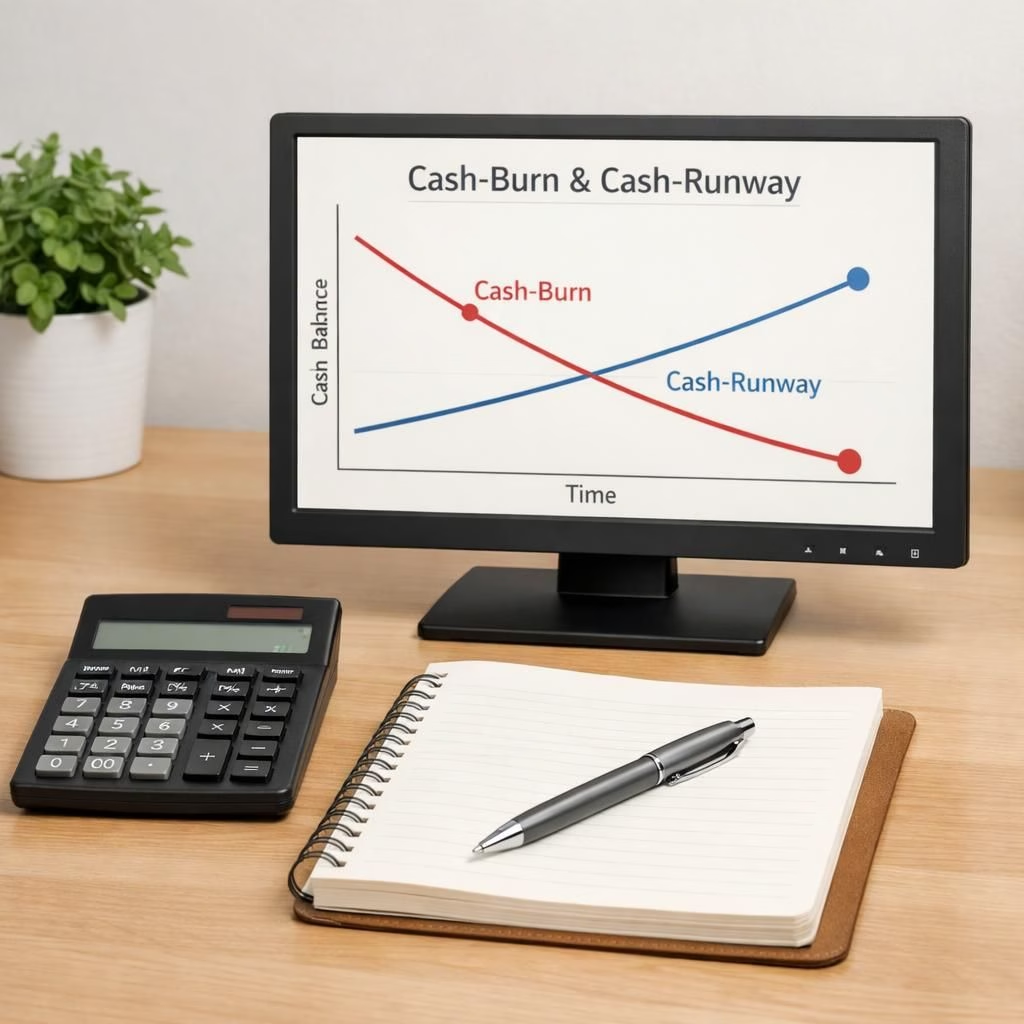
Today we zoom into cash-burn and Tag B for U-BX Technology with a practical, upbeat lens. The story is not doom; it’s data. In December 2026, U-BX held about US$9.9m in cash and was debt-free. The company burned through around US$8.0m over the year. Those figures give roughly 15 months of Tag B. The math is simple, the mood is constructive, and the takeaway is that the runway isn’t instantly alarming, but it deserves ongoing attention.
cash-burn trends in 2026: what investors should watch
A closer look shows why the numbers matter, but they do not tell the whole story. U-BX has faced cost pressures and a tougher revenue environment. In the last year, cash-burn jumped dramatically while operating revenue fell. The company reported a 435% increase in burn and a 39% drop in revenue, a combo that raises questions. If you want the picture in motion, you can visualize the trend with a simple revenue and earnings history chart. The key takeaway remains: cash-burn requires a plan, and Tag B gives a deadline, but not a doom date. In this case, the remaining cash points to a Tag B of about a year and a quarter. That is manageable, provided management acts decisively, and the market supports a thoughtful capital strategy. Investors can still see opportunity in the wings if the company pivots toward stronger product uptake and cost discipline.
cash-runway planning and scenario analysis
Investors should treat cash-burn and cash-runway as a map, not a verdict. If the business wants more time, it can raise cash. It can issue shares or borrow. With a US$54m market cap, cash-burn annual burn equates to about 15% of its value. That provides room for growth without an immediate cash crunch, but the downside is dilution or new debt. The balance sheet stays clean today, which is a real advantage. Still, the trend of higher burn and weaker revenue calls for careful execution. Watch for a clearer path: stronger sales, better margins, or strategic partnerships that unlock value. If management keeps a tight leash on costs and lines up the right capital plan, the Tag B trajectory and the Tag B length could stretch further. If not, the runway may shorten, and the story changes.
Beyond the raw numbers, a few practical concerns deserve light attention. Some observers flagged warning signs in related coverage, and readers should compare those signals to the core narrative here: a pipeline of potential products and the possibility of a rebound if external conditions improve. Keeping an eye on the Tag B helps gauge whether management can extend the runway with discipline.
Looking ahead, the macro backdrop around energy policy and commodity cycles could tilt the odds in favor of U-BX. A cautious optimism can coexist with careful scrutiny. The company’s next milestones, including clinical or discovery milestones and potential licensing deals, will matter more than glossy headlines. A disciplined approach to capital allocation and operational discipline will shape the Tag B trajectory and the Tag B length.
In short, the numbers tell a story, but they do not write the ending. We see a venture that can still thrive if it pairs a clear plan with timely execution. The potential for upside exists, but it depends on how the team navigates the cash-burn and extends the Tag B through smart financing and product progress.
If you want to discuss this further, share your thoughts in the comments below. We’d love to hear your perspective on cash-burn and Tag B in 2026, and what you’d watch next for U-BX Technology.
Original article attribution: Thanks to Simply Wall St for the original analysis and insights about U-BX Technology. We appreciate the thoughtful foundation this material provided.
Practical steps to extend the cash-runway
- Sharpen revenue visibility by targeting high-potential product uptake or licensing deals to improve cash-burn dynamics and extend the runway.
- Push cost discipline through quarterly reviews, procurement shortcuts, and headcount alignment to reduce unnecessary spend, supporting the cash-runway trajectory.
- Plan capital with care by weighing dilution against debt, aiming to extend the Tag B through prudent financing and selective investments.
FAQ
- What is cash burn? Cash burn is how quickly a company uses its cash to fund operations and growth when it is not profitable. It reflects the annual cash outflow before positive cash flow from operations is achieved.
- How is cash runway calculated? Cash runway equals available cash divided by the annual cash burn. It estimates how long a company can operate at the current burn before needing new funding.
- What steps can extend the runway? Improve revenue, tighten costs, and secure financing on favorable terms. A disciplined plan that pairs operating discipline with targeted investments can prolong the Tag B.
- Does a rising cash burn mean a stock is risky? Not automatically. It signals higher funding needs and execution risk, but it can be manageable if the company demonstrates a credible path to growth and liquidity through a clear capital plan.
External sources
References
Source: Original Simply Wall St article