

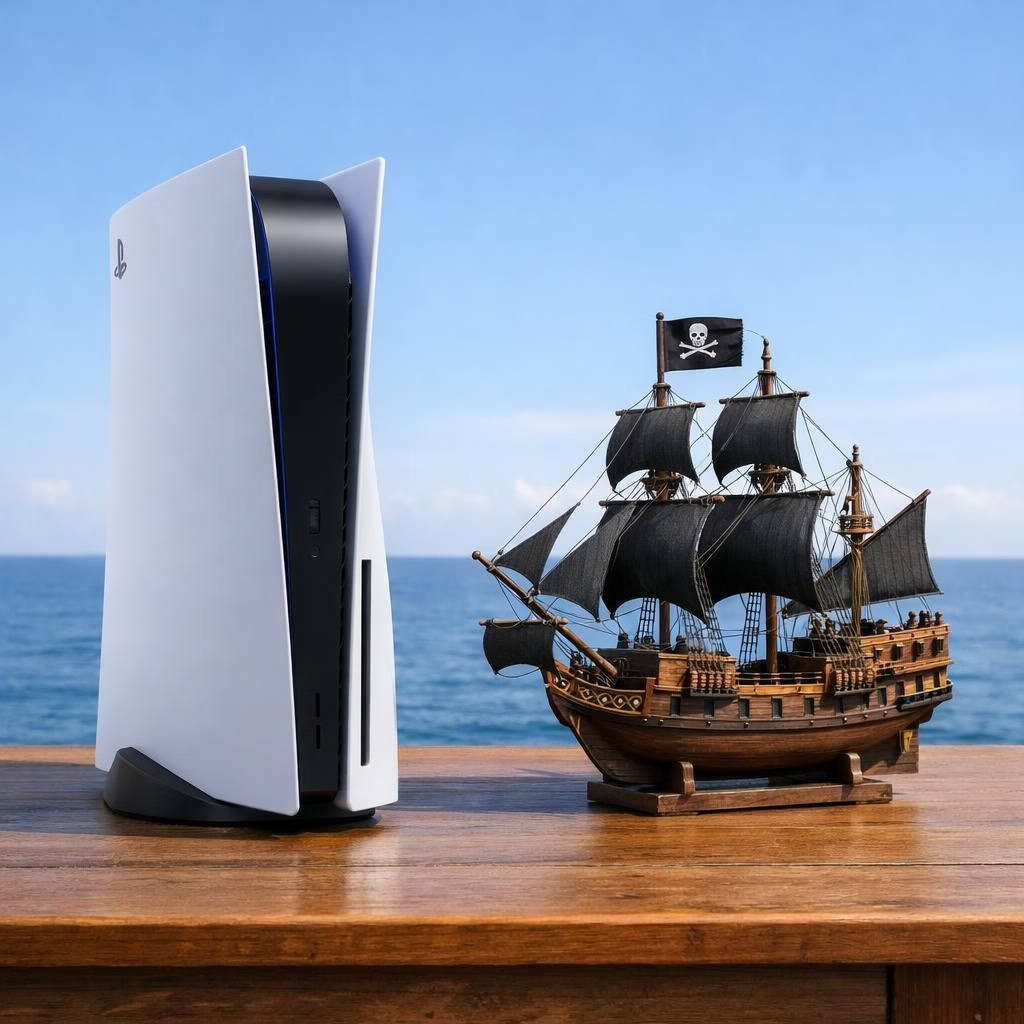
Let’s set the sails for a friendly, good-humored voyage through the chatter around Assassin’s Creed Black Flag Resynced, the PS5 remake that has fans grinning as if they found a treasure map in their own backyard. Outlets like Push Square, Engadget, and PlayStation.Blog have stitched together timelines, trailer glimpses, and release whispers, but the real story is about how deeply this classic reimagining has embedded itself in the modern conversation. People are comparing the remaster to the original’s rough-and-ready charm, asking whether the new visuals keep the pirate swagger intact while adding a dash of 2026 polish. The vibe is less about hype and more about a well-considered return to a favorite rowboat of a game, now afloat in up-to-date hardware and faster load screens. The commentary feels pragmatic: a mix of nostalgia with fresh ergonomics, a little humor about a roving assassin who still talks like a tavern, and a dash of skepticism about how big a remake must be to deserve the billing.
Assassin’s Creed Black Flag Resynced and the PS5 remake buzz
From a feature perspective, the trailer signals something more polished than a day-one port. Ubisoft has not pretended that this is a mere paint job; they lean into the sea-salt textures, the creak of a deck, and the metallic bite of cannon fire with modern lighting. We see streamlined combat that nods to the original’s brutality while smoothing the edges for a PS5 remake-style familiarity on contemporary controllers and haptics. The previews imply a target frame rate that feels like a promise rather than a rumor, and the sound design carries a clear intention: to let the water, wind, and wave noises wash over the audience as if you were hearing a ship slip through calm morning fog. If you’re a long-time fan, the nostalgia hits hard, but the improvements could help new players chart a course without getting seasick from retro quirks.
Assassin’s Creed Black Flag Resynced: Deep dive on the PS5 remake
Technical considerations matter. The original Black Flag thrived on ship battles and extensive sea lanes; this remake aims to preserve that oceanic soul while loading times shrink and textures sharpen. The developers promise a more navigable world map, with improved UI and inventory that doesn’t punish you for a few minutes of pirate laziness. The modernization might go beyond flash; expect updates to weather patterns, sea spray, and the way sun glare plays off a cutlass blade. The challenge is delicate: how to keep the heart of the adventure—plunder, mutiny, and exploration—without turning the game into a glossy museum piece that forgets why players fell in love in the first place. Critics note that sea shanties can carry emotion as well as noise, and a faithful rework should preserve that rhythm while letting new players hear it clearly.
Pre-orders in the USA and UK become an interesting proxy for public interest. The excitement isn’t just about a patch; it’s about a promise that the game will feel fresh yet familiar, like meeting an old captain who suddenly knows how to drive in traffic. The top pre-order spots suggest a polite popularity contest where metaphors about storms and treasure chests do more work than a press release. Some outlets report strong early demand, with fans comparing this PS5 remake to remasters of other evergreen franchises. The chatter isn’t simply nostalgia; it’s a signal that a modern audience wants a robust, polished pirate romp that respects the original’s tone while leveraging current-generation hardware. If the financials line up, this could become a case study in how to reawaken a classic without mutiny from the fan base.
From a critical perspective, outlets like GameSpot, PlayStation.Blog, and Engadget have framed the discussion as a balancing act. The remake must honor the crowded, ship-based action of the Atlantic setting while staying accessible to players who discovered the franchise after the first wave of acclaim. The prominent talking points include combat pacing, stealth viability, and the degree to which new graphics enhance atmosphere without pushing players away with a cluttered UI. The art direction aims for realism without dullness—bright sun, blue water, and the black-sailed presence of the protagonist weaving through the quarterdeck. The risk is that increased fidelity might reveal the original game’s rough edges in detail, but the counterpoint is that better presentation can heighten immersion without erasing its quirky, pirate-like charm. The voice acting and lip-sync are repeatedly highlighted as potential make-or-break factors for the remake’s credibility, and the conversation remains lively on social feeds and dedicated forums alike.
Fans respond with memes, fan art, and careful debates about whether the remake should bring back micro-surprises or keep the streamlined modern experience. The tone among enthusiasts remains hopeful, but practical: we want a game that plays as well as it looks. Feedback from previews hints at a smoother navigation system, improved wind and water physics, and an interface that respects modern accessibility standards. The conversation isn’t simply yes or no to a remake; it’s a nuanced verdict about whether a beloved chapter can live again with enough new life to justify the voyage. The more pragmatic voices remind us that the best remakes feel less like a trap and more like a well-timed port of call, where you leave the dock with a bigger smile than you started with.
What changes visually and technically? The montage sequences show updated foliage, refined water, and character models that hold up under modern lights. What remains faithful is the core navigation, the ship-to-ship battles, and the sense of being adrift among a living world. What players hope to discover includes improved loot, refined quest pacing, and a few Easter eggs that nod to the original’s quirks without forcing nostalgia to stomp the new experience. The team has teased a few surprises, and early previews hint at a more dynamic weather system that makes every voyage feel slightly different. If you’re keeping notes in a captain’s log, you’ll mark these points with a hopeful checkmark rather than a stern marginal note. The balance here matters: faithful DNA plus modern spark can coexist if the execution respects the source while embracing what modern players expect from a PS5 remake release.
- Strong visual upgrade that preserves the original’s ship combat soul
- Accessible controls and thoughtful UI improvements
- Campaign pacing that retains the pirate adventure’s core flow
In sum, Assassin’s Creed Black Flag Resynced presents a compelling blend of nostalgia and modern polish, tuned for a 2026 audience that wants both a faithful voyage and a few new horizons. The PS5 remake promise is a reminder that the best remasters don’t merely reprint a map; they redraw it with care, preserving the routes that mattered while offering clearer waypoints. If the trend holds, we may see more classic adventures given a well-considered spa day on current hardware, balancing performance gains with the spirit that made the pirate era feel intoxicating in the first place. Readers who enjoy this kind of analysis can savor the nuance while keeping a light heart about the shared love of a good sea tale.
What are your thoughts on Assassin’s Creed Black Flag Resynced? Do you plan to pre-order, or are you waiting for more hands-on impressions? Share your perspective below and let’s chart a friendly course together. For original context, a big thank you to Push Square for the initial reporting and inspiration behind this discussion. Original article context: Push Square – Assassin’s Creed Black Flag Resynced trailer coverage.