

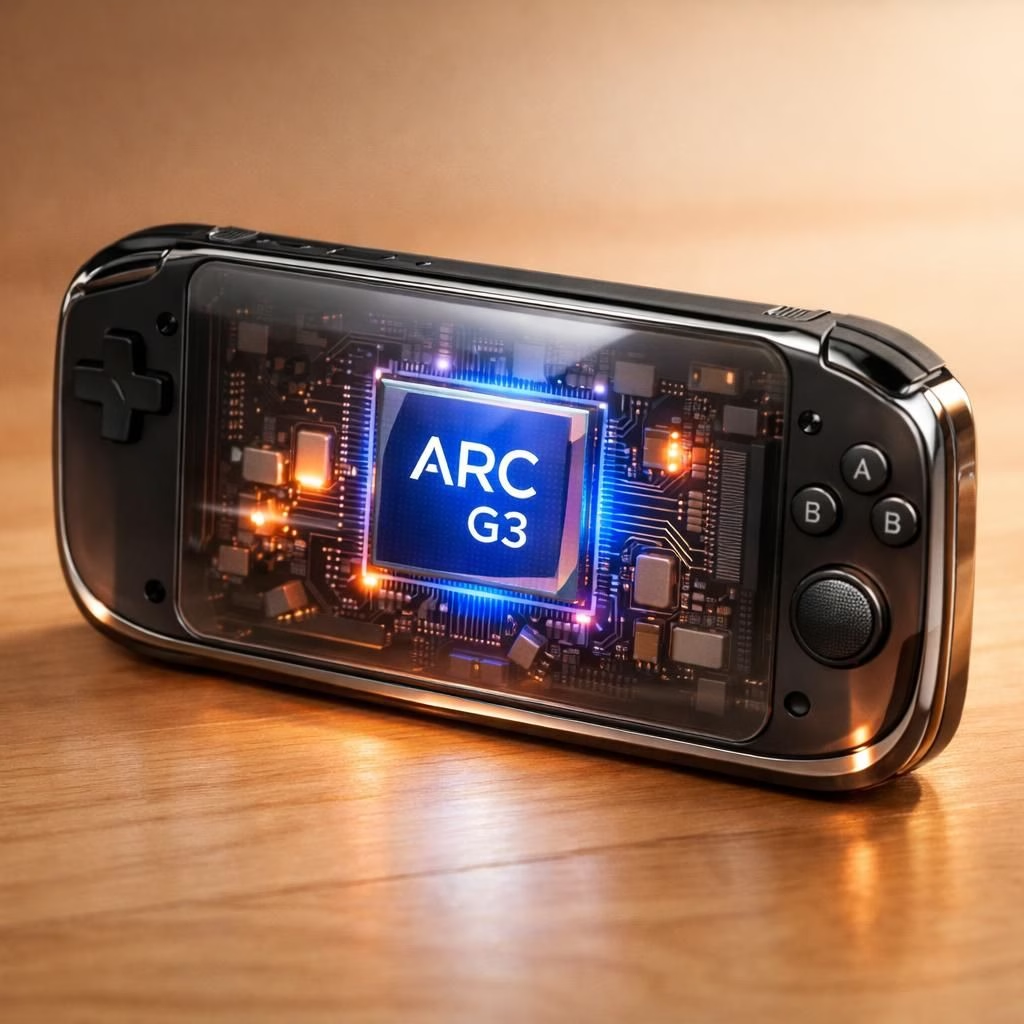
Intel just tossed a gleaming new chip into the pocket-sized arena: the Arc G3. Intel’s first real bid to power the handheld gaming PC. The goal is bold: bring desktop-like experiences to your palm without turning sessions into battery-quests. In plain terms, this processor is built for the handheld gaming PC crowd who want punch, not just pretty pixels. The handheld gaming PC space has long looked like a curiosity fair. This silicon arrives with real hardware ambitions and swagger: ‘we came to play.’
Arc G3 Elevates the handheld gaming PC Scene
Strip away the hype and the chip lands with Panther Lake architecture and up to 14 cores, according to industry watchers. Tom’s Hardware highlights the pairing of 14 cores and Arc B390 graphics as a defining step for portable graphics. Intel insists this isn’t a gimmick; it’s a portable platform engineered to deliver modern titles at balanced frame rates while sipping energy like a well-made latte. The aim isn’t to replace desktops but to give the handheld gaming PC crowd a credible, battery-conscious option for travel, commute, and couch battles with a friend.
Meanwhile, Acer is pairing Arc G3 with its Predator Atlas 8, turning buzz into a tangible product line. The context is simple: major players are testing new silicon in real-world hardware. Atlas 8 demonstrates how a modern handheld can wield Arc G3 power without turning into a heat source that scalds a lap. The critical point is the synergy between silicon and chassis—the design must keep temperatures in check and fans quiet, not just post impressive silicon numbers.
Arc G3 in Action: Acer Predator Atlas 8 for the handheld gaming PC
In practice, the chip promises better gaming on the go, with developers tuning titles for portable controls and shorter sessions. Engadget notes the Atlas 8 can harness this silicon for a credible handheld experience, while Ars Technica and The Verge remind us this is real product direction, not rumor. The aim remains to run current AAA titles at balanced settings within reasonable energy budgets, producing devices that feel like genuine miniaturized gaming PCs rather than clever demos. Multi-core performance and dedicated graphics shine here, offering a pipeline that manufacturers can tailor to keyboardless, stick, or gamepad play habitats.
Arc G3: Cooling, Power, and the handheld gaming PC
Reality check: a chip that looks good on slides must survive real-world use. The Arc G3-powered approach embraces power gates, smart throttling, and a thermal envelope suited to compact handsets. The balance between headroom and battery capacity determines whether you get a couple of hours of high-refresh gaming or several hours of casual play. The goal is consistent, stable performance rather than dramatic bursts. In practical terms, this can translate to smoother frame pacing, reduced stutter, and quieter fans. Atlas devices stay cooler and more comfortable than older handheld attempts, thanks to smarter thermal design and targeted cooling strategies.
The Market Outlook in 2026: Competition, Collaboration, and Curious Optimism
Intel’s entry into the handheld market raises the competitive bar. AMD had a head start in the broader race, but Arc G3 injects fresh energy into portable gaming: more power, smarter efficiency, and a willingness to pursue practical, durable designs. The landscape will hinge on software optimization, driver maturity, and battery chemistry, all of which shape real-world performance. Analysts and enthusiasts alike look for modular designs, swappable batteries, or clever cooling to push handhelds beyond simple demonstrations. The takeaway is that this is more than a launch; it’s a signal that handheld gaming PCs are embracing serious silicon, thoughtful cooling, and a bit of swagger.
As we move through 2026, Atlas 8 serves as a practical proof of concept. It shows you can maintain portable form factors without sacrificing visuals or control fidelity. The focus on graphics acceleration, multi-core performance, and responsible thermals supports a clear plan: deliver capable handhelds that feel like real PCs in your hands, not prototypes tucked away at a booth. Whether you’re traveling, commuting, or avoiding couch-lobe drift, these devices aim to be dependable companions rather than energy-sucking novelties. Industry coverage from outlets like Engadget, The Verge, and Tom’s Hardware helps map the evolving landscape and sets expectations for future SKUs.
Practical considerations for evaluating Arc G3 handhelds
- Check sustained performance across mid-to-high settings rather than peak bursts.
- Assess cooling strategies and the resulting fan behavior in real-world use.
- Evaluate battery life under typical gaming sessions versus quick play bursts.
Frequently Asked Questions (FAQ)
- What is the Arc G3? It’s Intel’s new multi-core processor designed for handheld gaming PCs, paired with integrated power and graphics solutions to deliver desktop-like experiences on the go.
- When is Atlas 8 available? Initial demonstrations point to early 2026 deployments with subsequent SKUs likely to follow as software and cooling continue to mature.
- How does it compare to AMD in handhelds? Early tests emphasize broader multi-core performance and improved thermals, but real-world results depend on optimization, cooling, and battery design across individual devices.
- Will battery life be long enough for long sessions? Manufacturers aim to balance wattage and thermals; expect two to four hours of meaningful play under typical settings, with lighter usage extending further.
In short, the Arc G3 approach signals a serious shift for handheld gaming PCs. It’s less about chasing the maximum frame rate in a lab and more about delivering dependable, usable power in a palm-sized chassis. For gamers who want portable PCs that feel like PCs, not just clever toys, Atlas 8 and Arc G3 point toward a future where power, efficiency, and thoughtful design coexist in real devices.
Original coverage and reporting: Ars Technica – handheld gaming Arc G3 coverage. Thank you for the foundational material and for continuing the conversation around handheld gaming PCs.
References
- Ars Technica: Intel makes a bid for handheld gaming PCs with new Arc G3 processors
- Ars Technica – handheld gaming Arc G3 coverage
- Original source link: https://arstechnica.com/gadgets/2026/05/intel-makes-a-bid-for-handheld-gaming-pcs-with-new-arc-g3-processors/