

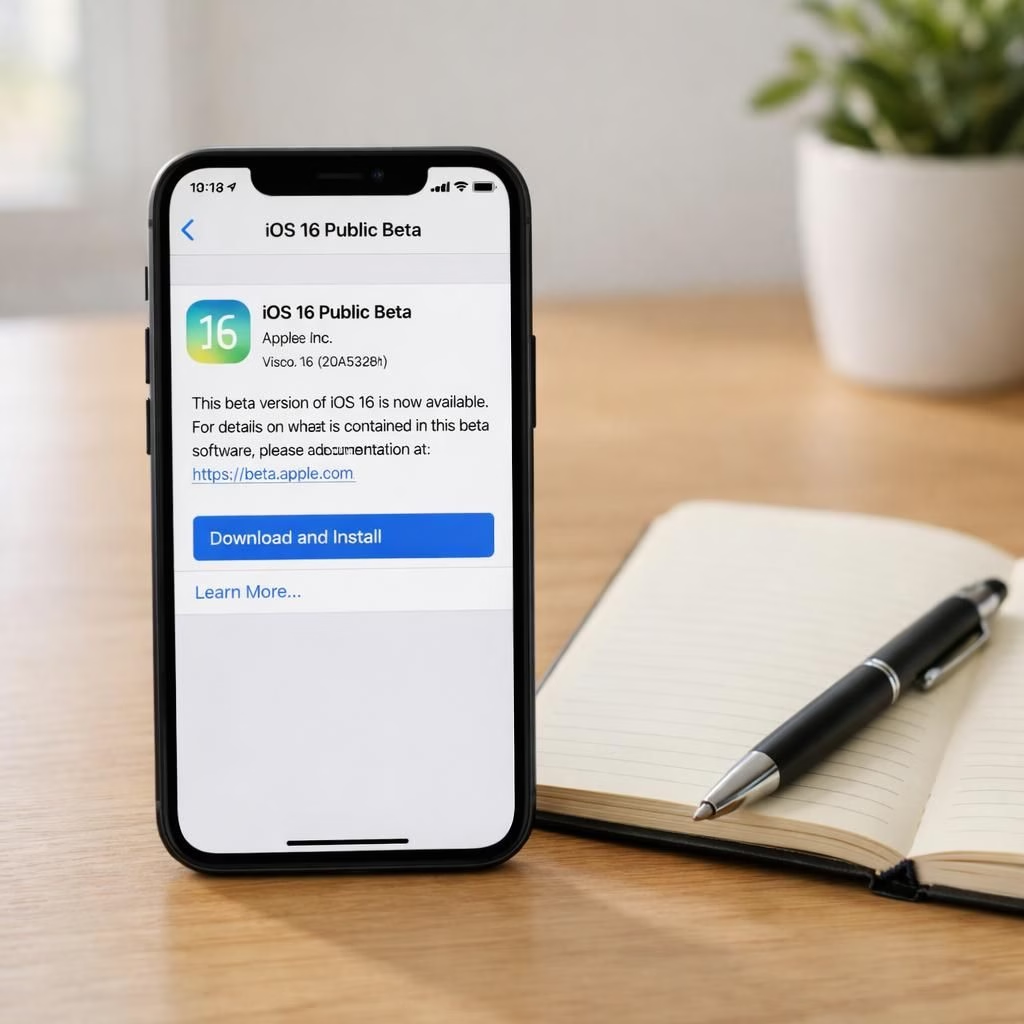
Welcome to the era of Apple Beta. iOS 26.6 arrives with friends: iPadOS 26.6, macOS Tahoe 26.6, watchOS 26.6, and tvOS 26.6. This update makes a surprising cameo. If you signed up on Apple’s beta site as a public tester, you can grab the updates from Settings > Software Update. In this Apple Beta moment, and with Security Tips in 2026 on everyone’s lips, we explore what changed, what stayed familiar, and what this means for you as a daily device user.
Apple Beta: The Public Beta Rollercoaster
Two days after developers received their preview, public testers got their share. The process stays simple. Sign in, choose Update, and wait. The progress bar pretends it knows how long updates take. That is the routine this cycle. The lineup includes iOS 26.6 and friends. The focus this cycle is stabilization, with an emphasis on reliability and security hardening. You won’t see fireworks, just steady polish. If you expect earth-shattering changes, you might be disappointed. If you enjoy smoother bug fixes and a touch of polish, you’ll probably smile before lunch.
Remember: public betas are for adventurous souls who don’t mind rough edges as Apple tidies up the codebase. The public test group is large enough to catch quirks across hardware, apps, and networks, yet small enough to feel like a club with free coffee. For the curious, the release notes point to iOS 26.6 and friends as a family reunion of 26.x versions that keep software livable on a daily basis. Security Tips in 2026 are a gentle reminder to test with care and back up frequently.
Security Tips in 2026: Why These Betas Matter
One little easter egg in iOS 26.6 is a reminder about messaging hygiene. You may get a nudge if you blocked too many contacts. The threshold sits in the thousands, so most users won’t see it. Still, the existence matters: Apple wants to help you avoid brittle, blocked-chatter pitfalls and keep your message app sane. In practical terms, the update leans toward bug fixes and security hardening, not flashy features. That is exactly what many of us want as we juggle work, family, and a dozen chat threads.
As Security Tips in 2026 winds down the 26 cycle, Apple signals plans for iOS 27, iPadOS 27, macOS 27, and more. The clock is ticking: roughly 11 days separate us from the next wave. That means more betas, more bugfix chatter, and more opportunities to test whether your apps behave like grown-ups in the wild. The security focus remains relentless: patches for vulnerabilities, improved app sandboxing, and better network protections.
What does this mean for you? If you’re a casual user, the benefit is fewer crashes, better battery life in some cases, and clearer prompts when something might threaten your privacy. If you’re a power user or a tester, you get early access to improvements that could become standard in the final release. Either way, the blend of cautious optimism and practical fixes defines this stage of the software cycle. And yes, there’s humor in the process: you’ll see the smiley icon glide across the screen as the system resets your expectations, then promptly delivers a smoother experience than before.
To stay grounded, backup your data before installing beta updates. Test device-specific features in a controlled way, and report issues through Apple’s Feedback Assistant. The ecosystem grows stronger when testers share reproducible steps and a few witty screenshots. Also, keep a semi-charmed life by leaving plenty of storage for the downloads and backups you will inevitably juggle.
In short, the public beta phase is a balance: a little fear, a lot of curiosity, and a steady trickle of improvements. It’s not a revolution, but it is a reminder that the software in your pocket keeps listening and learning. When you see that progress bar inch forward, remember it’s setting up a more reliable day-to-day experience, one tiny update at a time.
We’d love to hear your thoughts. Are you joining the Apple Beta wave this cycle? Have you noticed improvements or quirks? Share your experience in the comments below to help others decide whether to jump into the beta crowd this round.
Special thanks to the original article for material used here: Original article source.
Apple Beta testing checklist
Practical steps to test the beta safely include backing up data, trying essential features on a secondary device if possible, enabling updates only after you confirm essential apps work, and reporting issues through Feedback Assistant. This approach keeps your daily usage calm and helps Apple collect useful feedback from Apple Beta users.