

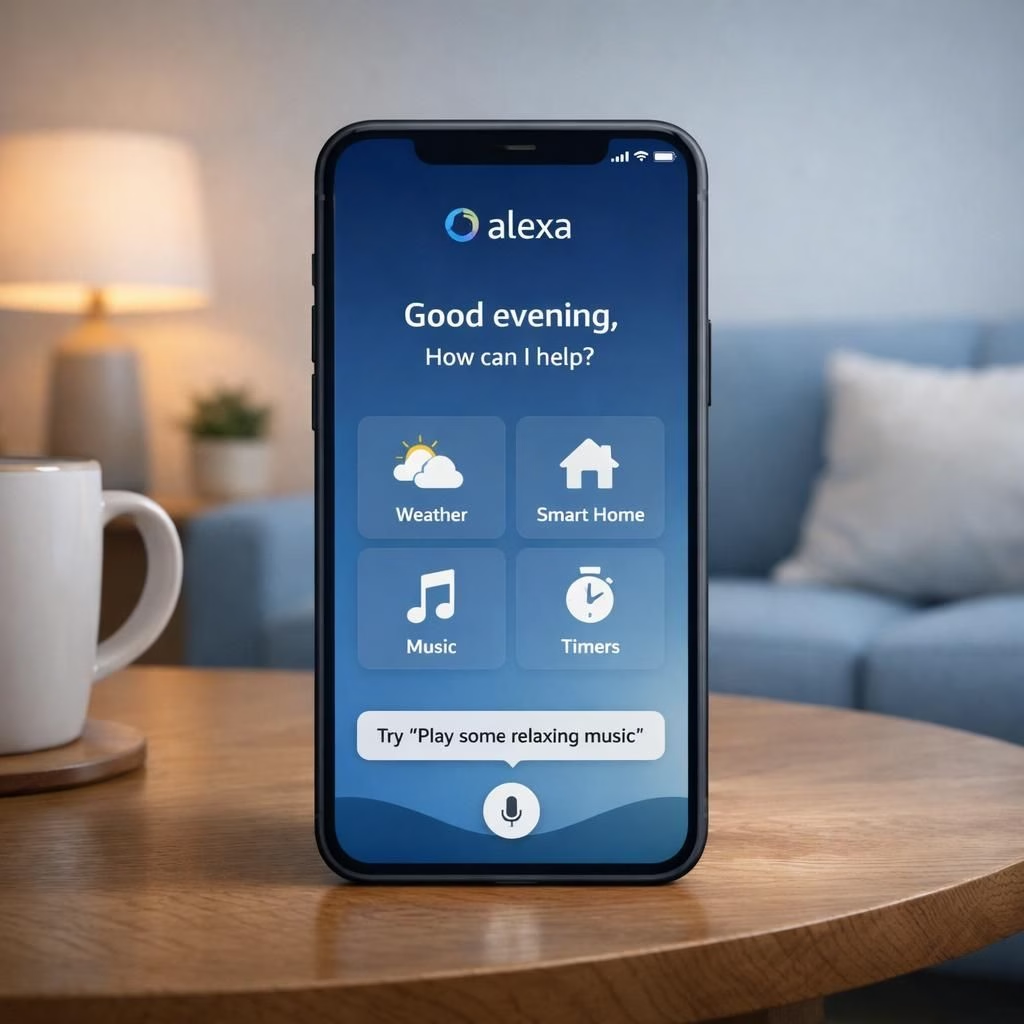
In 2026, Amazon reopens the notebook on a Transformer-branded smartphone, presenting it as a personalized mobile hub powered by Alexa. The move nods to founder Jeff Bezos’ long-term dream of a voice-first computing world, while keeping one foot in pragmatic product strategy. The plan remains uncertain, but the charm lies in the ambition: to turn a pocket device into a doorway for your whole digital ecosystem—home devices, Prime shopping, and your data behaving nicely in the background.
Amazon Vision: A Transformer-Driven Mobile Hub
People familiar with the project say the Transformer phone aims to be more than a phone. It would function as a central hub, tightly integrated with Alexa, rather than a mere app launcher. The idea borrows from the sense of control in Star Trek style interfaces, but with a pragmatic, retail-friendly twist. Amazon’s devices and services unit would push personalization that surfaces Amazon Prime features, shopping, and media with minimal taps.
The core pitch is to flatten the friction between asking for something and getting it. You could say: ask Alexa to reorder everyday staples, or to coordinate your smart home scenes, and the Transformer phone would anticipate needs from usage data. The Reuters report notes that Amazon wants access to mobile-usage patterns to tailor recommendations—and that can feel both promising and invasive. The balance is to deliver convenience without turning the device into a relentless data stream.
On hardware, the team has reportedly tested both a high-end smartphone and a simpler “dumbphone” version designed to curb screen time. That approach mirrors a broader trend: offer a lean, AI-smart device that remains connected to the cloud, rather than a standalone app store experience. As with the Fire Phone back in 2014, the core challenge remains delivering compelling software with a credible app ecosystem.
Pricing and partner deals are still unknown, and the project could be shelved if the numbers don’t pencil out. The end of any plan will depend on strategic priorities, financial constraints, and perhaps a few supply-chain quirks that 2026 loves to throw. Still, the studio’s ambition is clear: empower a Transformer smartphone with an intelligent, voice-first core that can guide shopping, entertainment, and home control in a surprisingly human way.
Transformer Tech and the AI Playbook
The Transformer concept currently leans into AI-driven features rather than a traditional app store identity. The goal is to embed intelligence into the device so that Alexa and the phone work in a shared, anticipatory way. This mirrors a broader industry push to create native AI experiences that don’t require heavy app installation.
Past attempts to build AI-centric hardware show both promise and risk. The Humane AI Pin and Rabbit R1 offered intriguing ideas, but adoption remained slim. These cases remind us that hardware is just a canvas; software experience decides whether users stay. Amazon’s own AI-driven redesign of Alexa through 2025’s end adds credibility to the plan, suggesting a path where voice, vision, and context blend with device hardware.
OpenAI and other giants test AI-enabled wearables and glasses, but the landscape remains fragmented. Amazon’s known strength is cloud-backed AI and a retail network that can fuel a personalized ecosystem. The Transformer phone could leverage AWS and Prime data to tailor experiences while attempting to respect privacy choices and consent controls.
For consumers, the promise is convenience: a single device that helps you shop, watch, and control a home without constant app-switching. For developers, there might be a new angle to build AI-first experiences that align with Amazon’s services without locking users into a single operating system. The challenge remains turning big concepts into reliable, battery-friendly reality in 2026.
In sum, this Transformer project resembles a cautious experiment rather than a bold launch. It offers a glimpse of how a future phone could sit at the center of a customer’s digital life, drawing on Alexa’s voice capabilities and a data-informed understanding of preferences. The path ahead depends on strategic choices, partnerships, and whether the market buys into the vision while respecting privacy and usability.
Amazon and Transformer: The Consumer Angle
From a user perspective, this initiative reads like a practical experiment in friction-free living. The device could blur the line between voice commands and on-device prompts, keeping most decisions in your hands while offering smart nudges from Alexa. The integration with Prime could nudge you toward fast checkouts and curated bundles, while home automation could feel orchestrated rather than disruptive.
However, there are clear guardrails to discuss. The project will need robust privacy controls, clear opt-ins, and transparent data usage explanations. The best version of Transformer would earn trust by showing you a clear value exchange: pay with time saved, not by sacrificing control. If the balance tips toward intrusive data collection, enthusiasm will cool fast. The lesson from history is simple: great hardware plus thoughtful software beats sheer ambition alone.
As the discussion continues, a realistic takeaway is that a Transformer phone is less about a single device and more about a new way to interact with a sprawling set of services. If developers and users align on expectations, the device could become a reliable companion rather than a data sink.
In the end, this project blends optimism with prudence. The world does not need another gadget; the world benefits from a well-designed, privacy-conscious hub that respects your time and your preferences. The Transformer idea could mature into a practical assistant tucked in your pocket without being overbearing.
Share your thoughts below: how do you feel about a Transformer phone that learns your routines and bridges your home, shopping, and media experiences?
Special thanks to Reuters for the original reporting. Original article: Reuters report on Amazon’s Transformer phone.
What this could mean for you: practical takeaways
- Review your Alexa privacy settings to control data sharing. The Transformer approach makes privacy a live choice, not a drop-down menu.
- Think about how a voice-first device might change shopping, entertainment, and home routines with Transformer-driven features.
- Stay informed about updates from Amazon and AWS that affect AI-powered experiences on mobile devices.
Frequently Asked Questions
- What is the Transformer phone? A rumored Amazon device that acts as a voice-first hub, aiming to weave Prime shopping, media, and home control into a single pocket-friendly experience.
- Will it run Android or Fire OS? Details remain unclear. The project is described as an AI-first effort that could use a native layer to blend Alexa with device hardware.
- When could it be released? No firm timeline has been shared. Amazon has historically tested multiple form factors, and timing will depend on strategy and supply chains.
- How would privacy work with this Transformer device? Expect opt-ins, clear data controls, and user-friendly explanations of data use as part of a privacy-forward approach.