

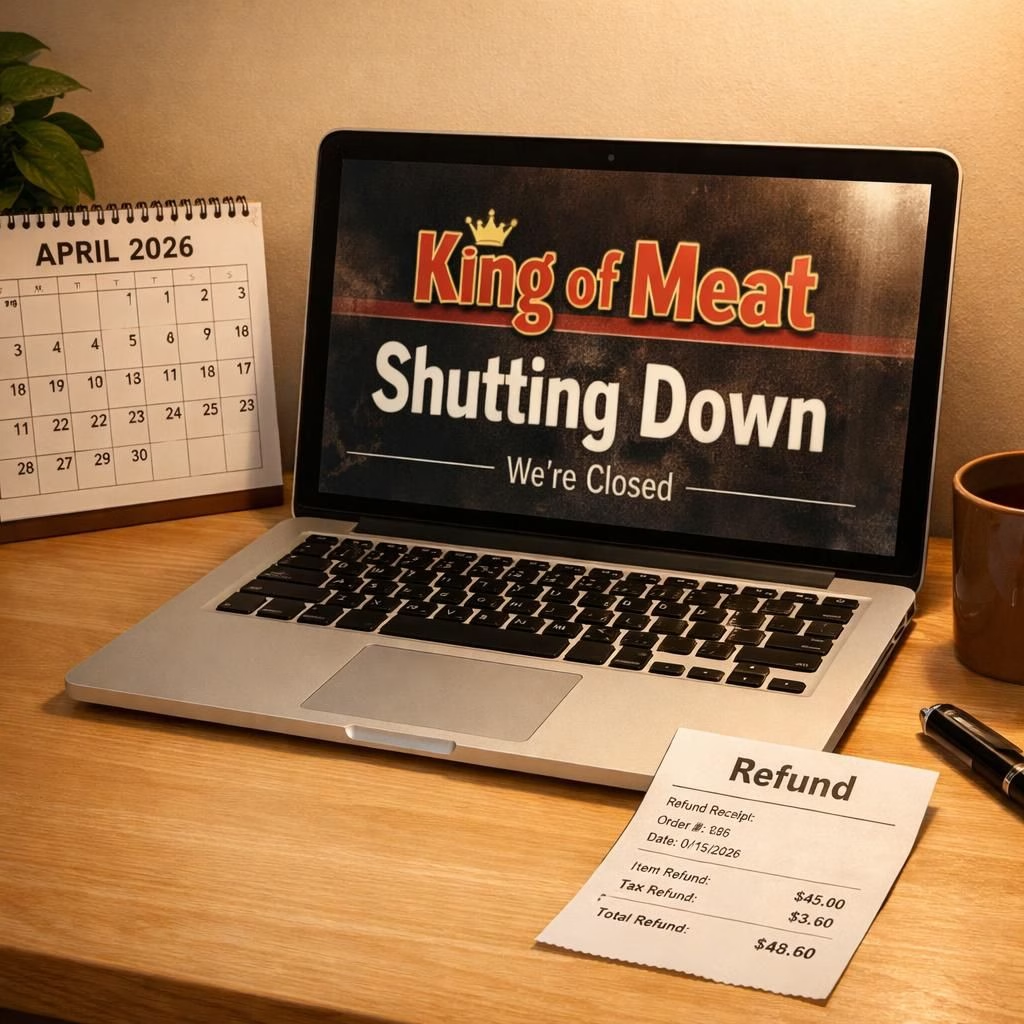
Amazon keeps swinging its strategic bat, and this season’s hit is a sober, funny reminder about the life of a live-service-game in 2026. The company pulls the plug on King of Meat, an online party game that looked promising on MrBeast’s orbit and had a Switch plan in the wings. After six months on Steam, the servers sigh and the lobby empties as the brand exits gracefully. Refunds begin across platforms, and the news lands in the same polite tone players have learned to expect—Amazon’s team, indeed, is guiding a difficult moment with clarity.
Amazon refunds in the live-service-game reality: what players can expect
From a business standpoint, the move feels prudent—and generous. A live-service-game thrives on ongoing revenue streams, but it also demands ongoing costs: servers, moderation, marketing, and a steady cadence of updates. When the numbers stop singing in chorus, the math changes. In that moment, a clean shutdown—with refunds offered—keeps trust intact rather than letting disappointment fester into resentment. For players on PS5, reports indicate a full refund, and for Xbox players, refunds follow the standard policy. The net effect is that players feel respected, not abused, and that matters more than a single game’s fate. Amazon’s stance here underscores a broader industry truth: customers come first when the short-term project ends.
Yet Another Live Service Game Bites the Dust has become a running joke in gaming circles, a mild poke at how common this outcome has become. Still, the novelty here is the way refunds are handled and communicated. The team at Amazon appears to have treated the exit as a learning opportunity: yearly roadmaps are hard; consumer expectations are harder; refunds are the soft-landing that makes a tough decision palatable. For the broader community, this is a reminder that not every digital product deserves perpetual life support. Some titles get their moment, then exit with dignity and clarity, leaving behind little more than fond memories and a tidy bill.
When the clock strikes April 2026, King of Meat reaches its shutdown date. The game will no longer receive updates or servers will be powered down, but the players who bought it will see refunds as a top priority. The process starts with standard digital storefront policies, then extends to any direct purchases through Amazon’s storefront or the Steam platform. The refunds apply to the base purchase price and any charging errors that may have crept in during the hectic life of a live-service-game. The aim is simple: ensure that players who believed in the product aren’t left with a sour taste. This approach aligns with a growing industry standard: value restoration after a project ends, especially when the end is as transparent as this one.
For players who used King of Meat on various ecosystems, here’s the practical takeaway. PS5 players who paid the premium path get a full refund, while Xbox players see refunds as part of the broader policy. Nintendo Switch fans who might have hoped for a Switch version are not left out of the loop; while the project doesn’t proceed, the company ensures the messaging is consistent, and that the financial touchpoints close cleanly. The news is punctuated by a simple, humane touch: the refunds arrive, and the players’ experience with the game’s ecosystem ends with resolution, not regret. The ongoing story for Amazon and the live-service-game model remains that refunds are a tool for maintaining trust, not a wartime concession.
What can the industry learn? That a focus on the customer experience matters, even when a product is discontinued. It matters to communicate clearly, deliver refunds promptly, and acknowledge the effort players invested. It matters to consider the broader pattern: many live-service-game titles come, they refine, they overextend, and when necessary they bow out gracefully. The King of Meat case provides a compact case study: a title with potential, a community built around it, and a final act that keeps players treated with respect. Such an approach helps future projects avoid the same missteps and reinforces the idea that a publisher can be both ambitious and fair at the same time.
Field notes for developers and publishers: keep your internal dashboards honest, especially with live-service-game titles. The data tail should wag the dog in a responsible way. When it becomes clear the audience is thinning or the costs are outpacing the gains, a staged, well-communicated shutdown capped with refunds will win more goodwill than a sudden blackout. For the players, it means that their time, effort, and purchases are not treated as disposable. It also means you can face the next title with a refreshed mindset, knowing the industry has room for both spectacular launches and dignified endings. The King of Meat shutdown is not a failure; it is a demonstration that a mature market can handle endings with grace, humor, and a transparent policy on refunds.
Looking forward, what should fans and followers expect from Amazon in the realm of live-service-games? The best answer is: better planning, clearer gating of microtransactions, and a commitment to customer care that remains visible even when a project fades away. The live-service-game lifecycle of King of Meat might be a single case, but its memory travels—it’s a reminder of the delicate balance between innovation and sustainability in the world of online entertainment. The lesson for gamers is simple: celebrate the creativity, but also celebrate the promise of refunds when things don’t land as hoped. And above all, stay curious about what comes next, because the industry keeps evolving faster than a patch day can blink.
If you have thoughts, I invite you to share them below. Your perspective helps others understand how the live-service-game ecosystem evolves, and it keeps the conversation alive as new titles rise and respectfully exit the stage. And for those who want to revisit the original reporting that sparked this conversation, a heartfelt thank you goes to the original article’s source. Original article: https://example.com/original-article — thank you for the inspiration and the data that helped shape this reflection.
Lessons for publishers: the live-service-game playbook
In practice, publishers should view a shutdown as a planned transition rather than a failure. Clear messaging, fair refunds, and a concise explanation of what’s ending help preserve trust with players and communities.
How players can navigate a shutdown: practical steps
- Verify refund eligibility on the storefront where you purchased the game.
- Keep receipts and transaction IDs until refunds are completed.
- Monitor your account statements for reversed charges or adjustments.
- Follow official communications from the publisher for timelines and next steps.
FAQ
- Why is King of Meat shutting down? It reflects a strategic decision to reallocate resources when ongoing costs exceed returns, a reality for many live-service-game projects.
- Are refunds guaranteed? Refunds align with store policies and platform rules; you should see refunds processed according to the applicable policy for your account.
- Will there be a Switch version? At this time, there are no announcements about a Switch release; messaging emphasizes a clean, predictable ending.
In the end, the King of Meat shutdown is framed as a responsible exit that prioritizes players’ experience and trust. Original reporting that sparked this reflection remains linked in the references below.