

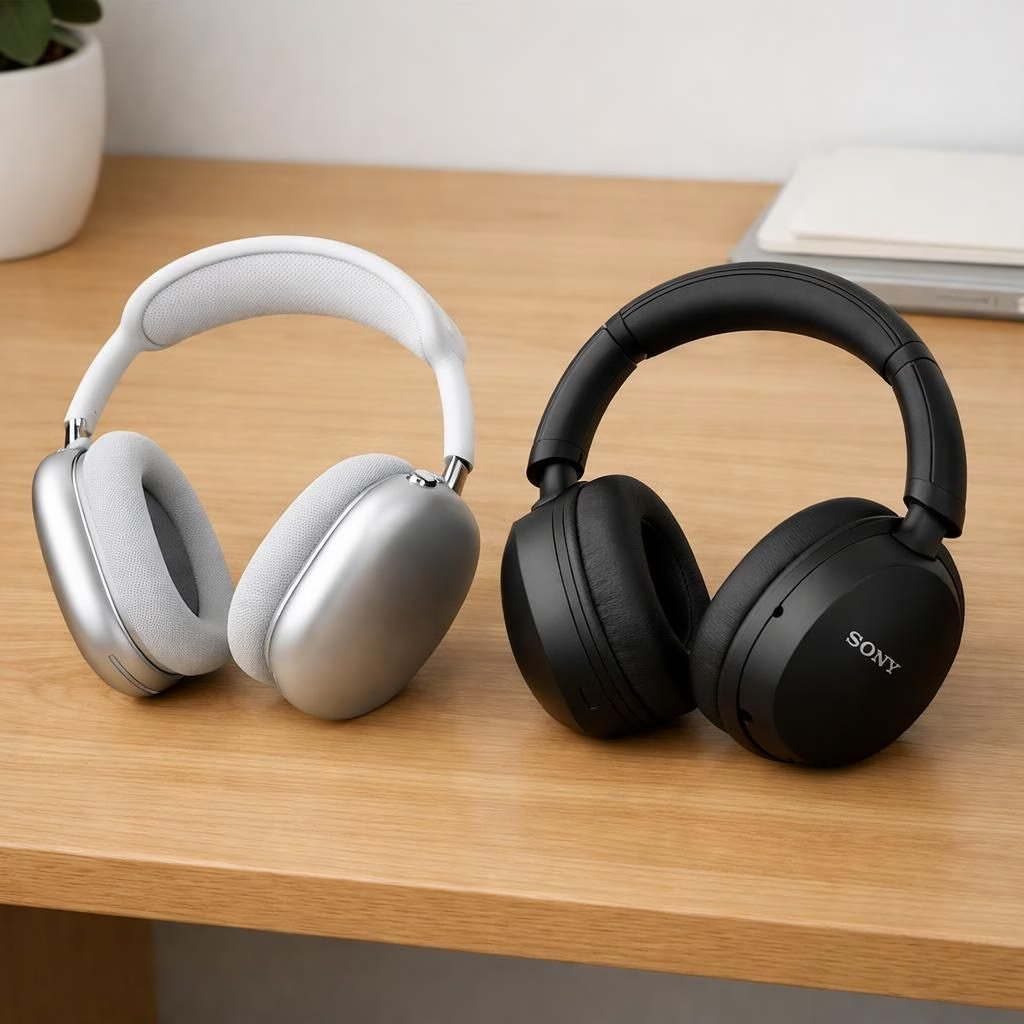
If you’re deciding between AirPods Max 2 and Sony XM6 in 2026, you are not alone. The premium headphone market has evolved into a lifestyle choice, not a mere gadget obsession. Both models earned Editors’ Choice honors and sit at premium price points that can raise an eyebrow or two. In this practical, slightly playful comparison, we check build, comfort, features, sound, and value—without pretending the price tag is a miracle cure.
AirPods Max 2 and Sony XM6 sit at the top of the noise-canceling heap, each with a loyal fan base. This isn’t a one-model-takes-all piece; it’s a balanced look at what you actually get for the money in 2026. We keep the hype at a comfortable simmer and focus on real-world performance. And yes, I’ll sprinkle in a little humor, because premium audio deserves to be enjoyed with a smile.

AirPods Max 2: Build, weight, and premium feel
Starting with build quality, the AirPods Max 2 deliver a serious sense of durability. A stainless steel frame, aluminum-clad ear cups, magnetically attached earpads that are replaceable, and a polished digital crown for volume and playback control—the whole package oozes premium. Weight comes in at about 386 grams, which is substantial but well balanced for long listening sessions. In contrast, the Sony XM6 keep a lighter profile with a carbon-fiber composite vibe and a more compact hinge. Some older Sony models had hinge chatter online, but the Sony XM6 feel sturdy in daily use. The heavier Max 2 translates to a robust, premium heft that many will interpret as quality; a few will call it a minor headband workout.
In practice, the AirPods Max 2 sit evenly on the head, and the weight mostly registers in the headband rather than on the ears. The Sony XM6 feels lighter on the skull, which some readers will appreciate during marathon listening sessions. Both headphones boast solid build and durable materials, yet the Max 2’s heft tends to signal “premium experience” more than “flight risk.” Aesthetics aside, the trade-off is clear: strength and durability from the Max 2, nimble portability from the XM6. Pricey, yes, but you’re buying confidence as much as sound.
When it comes to longevity, the Max 2 can survive daily wear with a rigid, premium feel, and the XM6 offers a more casual, travel-friendly weight. If you frequently slip headphones into a bag, you’ll notice the XM6’s lighter form factor reduces fatigue. If you value a sense of permanence and durability, the AirPods Max 2 deliver that impression—whether you’re using them at a desk or on a plane. And yes, the aluminum can ding if you drop them on pavement, so a little protection never hurts; I used clear earcup covers on my own Max 1 as a precaution and found it worthwhile for busy households.
Sony XM6: Featherweight design with heavy features
Despite its lighter frame, the Sony XM6 doesn’t skimp on features. The dual-hinge design makes folding and packing easy, and the overall clamp remains comfortable for most head shapes. On the feature front, Sony leans into its own strengths: Speak-to-Chat, LDAC compatibility for high-quality Android streaming, and a revised ambient-sound system that’s more capable than earlier generations. The XM6 also offers a compelling app experience for customizing EQ and noise-canceling profiles. If you’re Android-first, the XM6 feels tailor-made for you, with codecs and controls that align with your ecosystem.
In the Apple world, the AirPods Max 2 shine with deep integration. The H2 chip unlocks Adaptive Audio, Conversation Awareness, Voice Isolation, Live Translation, and Siri interactions that respond to head gestures. The two models approach your devices differently: the Max 2 emphasizes seamless iCloud device switching and spatial audio that tracks your head with Apple’s precision, while the XM6 leans into cross-platform flexibility and codec choices that please Android fans. If you’re juggling multiple platforms, the XM6 stands out for its adaptability; if you’re all-in on Apple, the Max 2’s ecosystem advantages feel especially valuable.
In practical use, the Sony XM6 remains an excellent choice for Android lovers thanks to LDAC and a feature set that adapts well to non-Apple devices. The AirPods Max 2, meanwhile, feel like a premium invitation to the Apple ecosystem, where device-to-device audio choreography is almost seamless enough to forget you’re wearing headphones at all.
Sound and tuning: how they actually sound
The AirPods Max 2 deliver a crisp, articulate sound with a touch more bite in the bass thanks to the H2-driven tuning. The Sony XM6 tends to skew warmer and more forgiving, a setup that’s welcoming for casual listening and long commutes. In side-by-side listening, the Max 2’s mids sounded more defined, while the XM6 offered a smoother overall balance that many listeners find less fatiguing over extended sessions.
Both headphones deliver excellent sound and impressive detail across genres. If you crave razor-sharp articulation and a tighter bass response, the AirPods Max 2 edge ahead on certain material. If you prefer a warmer, more forgiving profile that plays nicely with a wider range of content, the XM6 remains a compelling option. In short, sound quality is excellent on both; your preference will hinge on tonal balance and listening style.
The AirPods Max 2 bring a more intimate, precise presentation, while the XM6 lean toward a smoother, more forgiving vibe. In practice, you’ll likely find the Max 2 clearer on busy mixes and the XM6 more relaxing for long sessions. You can tweak the XM6’s equalizer in the companion app, which some listeners prefer; the Max 2 rely on Adaptive EQ tuned to the H2 platform, delivering consistent results without manual tinkering. For spatial audio, the Max 2 generally offers a more pronounced sense of direction and engine-room depth on compatible content.
Wired, wireless, and practical notes
Practical usage matters, and both headphones cover bases well. The AirPods Max 2 support USB-C audio, allowing wired playback with the included USB-C cable on compatible devices. The XM6 ships with a 3.5mm analog cable for wired listening, plus a USB-C to 3.5mm adapter, which is handy on planes or in older entertainment systems. If you prefer not to carry extra adapters, the Max 2 offers a cleaner wired experience with modern devices; if you value legacy compatibility and in-flight use, the XM6 has you covered.
One notable quirk: the Max 2 do not include a USB-C-to-3.5mm cable for plane use, so you may need to buy Apple’s official adapter if you want wired aircraft listening. The XM6 cable and adapter options keep you flexible, but you should budget for an accessory if you want wired flight comfort. As for wireless life, the XM6 can stretch to roughly 30 hours with ANC on, while the Max 2 clock in around 20 hours. Both will get you through most trips, but the difference could matter on multi-leg journeys.
Value and price: where the money goes
Price remains a central topic in premium headphones. The AirPods Max 2 list around $549, reflecting their build, features, and ecosystem advantages. The XM6 tends to sit closer to $450, with frequent discounts that can push the price under $400 in sales. If you live in the Apple ecosystem and value seamless device switching, the Max 2’s extra features and integration feel compelling. Android and cross-platform users may lean toward the XM6 for the better price-to-performance balance and LDAC support. In 2026, both models can dip in price during sales, but the base premium remains a factor for new releases.
Bottom line: both headphones deliver top-tier noise cancellation, solid call quality, and excellent musicality. The AirPods Max 2 lean into Apple-oriented features and a premium, statement-making build. The Sony XM6 offer lighter comfort, versatility, and strong Android codec support. The right choice depends on your device ecosystem, your tolerance for weight, and how much you value features like spatial audio and head-aware gestures.
In the end, the decision is less about a single “winner” and more about which trade-offs you’re willing to live with. If you own multiple Apple devices and want seamless ecosystem magic, the AirPods Max 2 are a confident pick. If you want a lighter, more adaptable headphone with excellent cross-platform support, the Sony XM6 should be on your shortlist.
Have thoughts? Share your take in the comments below. Your experiences with these premium headphones could help someone else decide.
Original article: Thank you to the author of the original AirPods Max 2 review for the inspiration. You can read the original piece here: https://www.example.com/original-airpods-max-2-review.
Practical tips
- Consider your device ecosystem first: AirPods Max 2 if you’re deep in Apple, XM6 if you’re Android-centric.
- Wired listening can be handy on planes; the XM6 includes a 3.5mm cable, while the AirPods Max 2 require an Apple USB-C adapter for some wired uses.
- Look for ongoing sales to soften the premium price—both models drop into the mid-$400s at times.
FAQ
- Which headset is better for Apple users? The AirPods Max 2 offer deeper iCloud integration, seamless device switching, and spatial audio with head tracking that tends to feel more cohesive within the Apple ecosystem.
- Can these be used with Android effectively? Yes, but the XM6 edges ahead for Android users thanks to LDAC and broader codec support; some iPhone-specific features won’t be available.
- Do they support wired listening? The AirPods Max 2 support wired audio via USB-C on compatible devices, while the XM6 ships with a 3.5mm cable and adapter for wired use on planes or older gear.
- What about battery life? The XM6 is rated up to about 30 hours with ANC on, while the AirPods Max 2 reach around 20 hours under similar use.
Conclusion
Both the AirPods Max 2 and the Sony XM6 are premium choices that excel in different areas. If you prize ecosystem harmony and a bold, premium build, the AirPods Max 2 are a compelling pick for Apple fans. If you want lighter comfort, cross-platform flexibility, and strong Android codec support, the Sony XM6 remains a strong value and a smart alternative.