

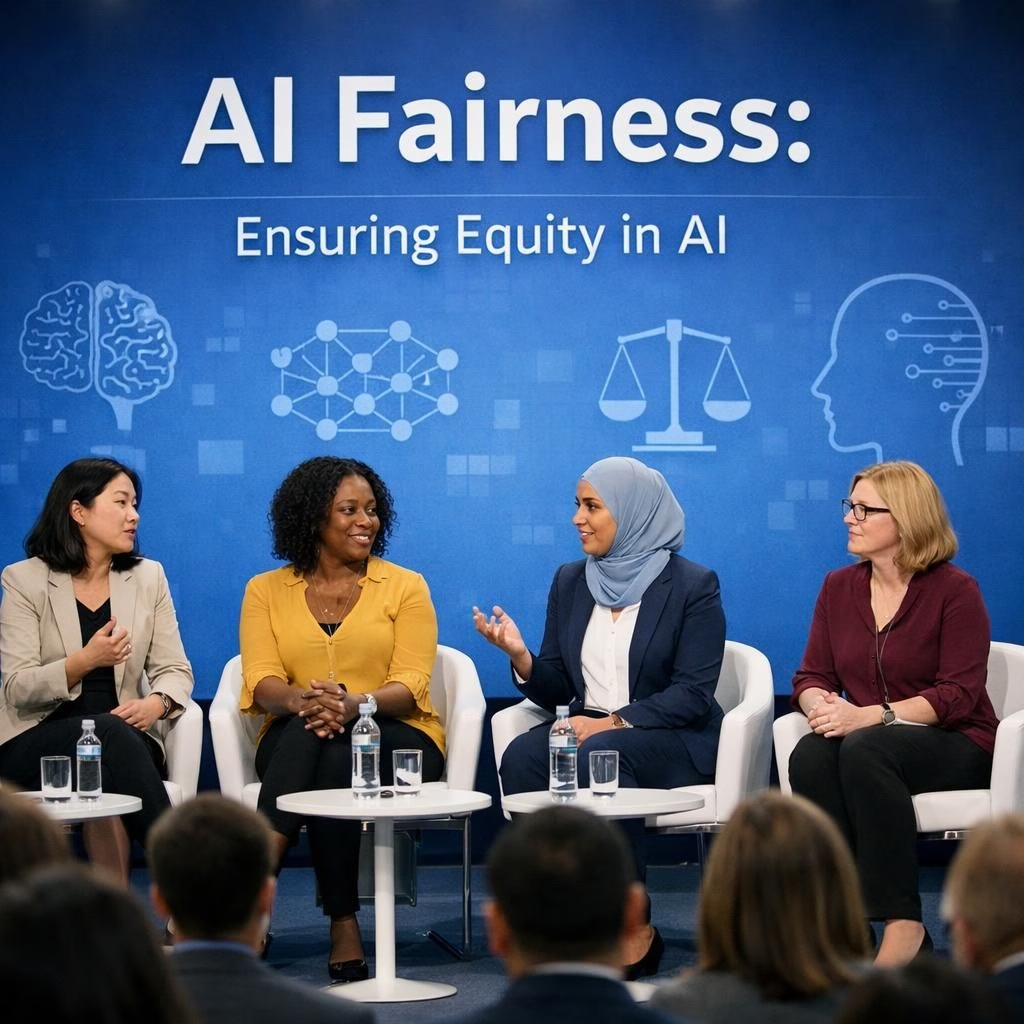
AI and Women have a seat at the table in London 2026, at the Women and the future of science conference. The gathering is lively—almost caffeinated—with a clear promise: build technology that works for all, not just a few. The session, led by Wendy Hall, asks why new AI systems still emerge from male labs and how to broaden who designs the next wave. The room pulses with practical optimism and a shared aim: progress through inclusion.
Data paint a stark picture: only about a quarter of computer science students are Women. As generative AI expands, the mood in tech can feel hostile to Women. David Leslie of the Alan Turing Institute warns of a backward slide, while policy shifts threaten hard-won gains. Rumman Chowdhury notes that the idea of woke AI originated in Silicon Valley before any Trump order, underscoring how cultural dynamics shape technology from the start. The takeaway is practical: we need diverse teams, better data governance, and smarter design so tech serves many people, not just a select few.
Women in AI? Chowdhury argues that AI without Women is not a myth but a current reality. Rachel Coldicutt adds that technology should serve 8 billion people, not eight billionaires. The gender data gap means many Women‘s health issues go unseen by algorithms. The panel urges models that prioritize care for people and the planet. “We can push for fairness without slowing momentum,” they say—a rare blend of courage and pragmatism.
AI Ethics: Balancing Bias and Progress
Bias lingers in data sets that stretch back decades. Some argue fairness is impossible, but the panel champions practical steps. We can design AI models that are transparent, auditable, and accountable. It isn’t about erasing history; it’s about shaping what our tools do today. The conversation shifts from existential fears about job losses to real-world effects in education, healthcare, and workplaces. The goal is tangible fairness, credible governance, and better stewardship. The mood remains hopeful, with humor about misclassified autocomplete and unfulfilled expectations.
Women in AI: Building the Future
Chowdhury and collaborators push back on rushing AI to market. When urgency eclipses inclusion, Women drop out of sight. They call for transforming incentives to attract the next generation to social good. The plan includes targeted funding, evaluation criteria that value care and sustainability, and a broad invitation to participate. This is not marketing; it’s a blueprint for durable, responsible progress. Expect classrooms, clinics, and codebases to host more diverse voices.
Looking ahead, the economics of innovation matter. Chowdhury points out that less than 1% of healthcare research targets Women‘s health, while venture capital still favors male-led teams. The lesson is clear: rethink incentives so AI serves all people, not just a few. Create pathways where diverse engineers see social good as a legitimate route to success, balancing speed with stewardship.
Ultimately, we may need to rethink intelligence itself. The Dartmouth roots of AI emerged in a male-dominated era, and our idea of smart should evolve to include broader, more diverse ways of thinking. The panel invites us to imagine AI that welcomes different bodies of knowledge and new ways of reasoning. It’s possible to be serious about math and generous about ego at the same time.
Practical steps for teams and organizations
- Audit datasets for representation gaps and add diverse sources to reduce bias.
- Adopt inclusive design reviews that require input from underrepresented groups, including Women.
- Shift funding and incentives to reward long-term social impact, not just rapid deployment.
- Build governance that includes ethics, accountability, and ongoing community accountability mechanisms.
- Provide scholarships and pathways to STEM for students from diverse backgrounds.
FAQ
-
How does the gender data gap affect AI fairness?
When data underrepresents Women, models miss important health signals and may misinterpret needs. That can translate into biased recommendations and unequal outcomes.
-
What can universities do to change the trajectory?
Universities can expand scholarships for Women, fund inclusive AI research, and require diverse ethics review panels for new projects.
-
What can individuals do right now?
Mentor peers from underrepresented groups, demand diverse data teams, and support products that prioritize inclusivity and accessibility.
For readers seeking broader context, this coverage echoes a long-running concern: technology should reflect the needs of all people, not just the few who shape the funding and the boards. NIST offers guidance on risk management that can help align AI with public interests, while global bodies emphasize inclusive policy and governance in AI systems.
What do you think? Share your thoughts in the comments and join the conversation.
Original coverage by Catherine de Lange for New Scientist. Thank you for the thoughtful reporting. Original article: Original article.