

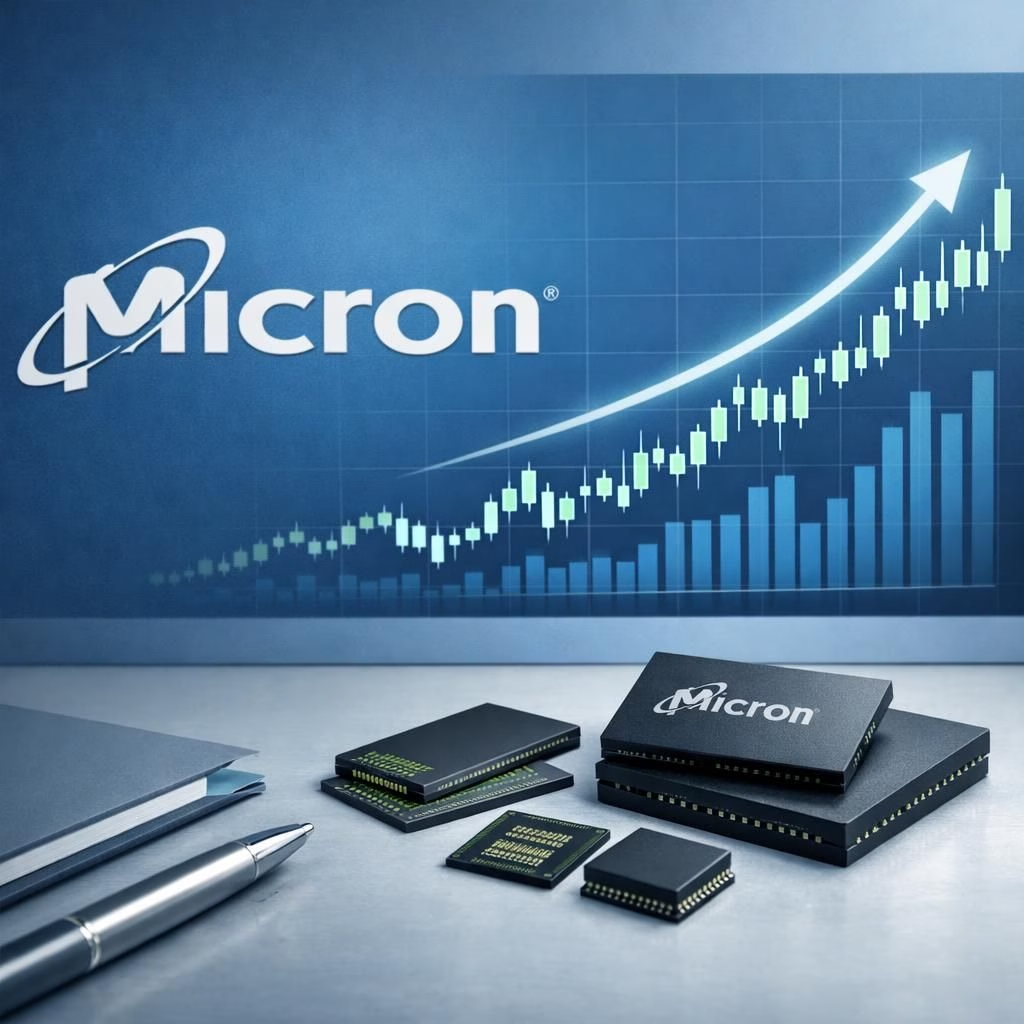
In 2026, AI stocks and Micron share a stage that feels like a victory lap. The stock jumped about 10.9% in a single session, a move that makes charts grin and traders nod in wary approval. This isn’t hype; it’s a practical story about memory chips powering AI workloads and a market waking up to durable demand. The core truth is clear: Micron’s latest earnings reveal robust demand across data centers, AI deployments, and edge devices.
The mood among analysts has shifted toward cautious optimism, with price targets gradually lifting as earnings power compounds year over year. Beyond the headline numbers, the drivers are tangible. AI demand is visible in data-center utilization, memory tier upgrades, and an ongoing push to expand manufacturing capacity. Micron has announced capacity expansions and prudent dividend actions. Investors also note the positive signals from margins and free cash flow, both of which improve the sustainability of future payouts. In plain terms, AI workloads need fast, reliable memory, and Micron’s product lineup fits that demand well. This alignment fuels the broader AI stocks narrative, creating a virtuous loop where demand reinforces earnings and earnings support stock prices.
From a valuation standpoint, the stock story remains compelling. The price-to-earnings ratio sits around 30.59, a figure that reflects confidence rather than sheer speculation. The debt-to-equity ratio at a comfortable 0.21 suggests the balance sheet can weather volatility. The industry’s longer-term trend toward AI specialization supports Micron’s strategy, including investments in AI-ready memory products and related software ecosystems. The market’s reaction—analysts lifting price targets and institutional buyers nibbling at the float—underscores the perception that AI stocks have found a durable growth lane. All of this is part of why Micron looks like a leader in a crowded field and why AI stocks enthusiasts are paying closer attention.
AI stocks and Micron: the numbers game
The quarter’s numbers reinforce the narrative. Revenue of $23.86B beat estimates by roughly $3.9B. Earnings per share hovered near $19, a figure that puts Micron in the upper half of its own history. The Q3 projection at $33.5B revenue offers a ladder for bulls to climb, assuming AI demand keeps its pace. The P/E ratio of 30.59 sits in line with peers chasing AI-driven growth, but the real kicker is how margins and cash flow support returns to shareholders. A debt level of 0.21 on the balance sheet shows discipline, while dividends climb enough to catch the eye of income-focused investors. All signs point to a business that is navigating the AI upgrade cycle with a steady hand and a generous dividend policy. In short, AI stocks are not just riding a fad, they’re riding a structural uptrend powered by AI adoption and better memory tech. Micron’s role is central here, but the broader AI stocks story includes several peers moving in step.
AI stocks and Micron march toward AI-driven growth
Looking forward, the outlook remains supportive but practical. The company’s strategy includes expanding capacity to meet AI workloads and continuing to monetize data center migrations. Investors will want to watch for free cash flow and capital allocation decisions, as these hint at the sustainability of the current mood. The AI-driven demand cycle could keep AI stocks buoyant, so long as supply lines hold and demand remains resilient. Micron’s management frames the company as a long-term enabler of AI infrastructure, with steady progress on product diversification and customer relationships. The takeaway for readers is simple: stay curious about AI stocks, keep an eye on Micron’s quarterly cadence, and watch how capacity, pricing, and dividends interact to shape the next phase of growth. 2026 looks promising, but the best moves come from informed, patient participation.
Bottom line: Micron is riding the AI wave with solid earnings, prudent capital allocation, and a capacity upgrade path that should sustain momentum. The stock’s 10.9% jump isn’t a one-off; it’s a reflection of durable demand for AI-powered memory and the broader AI stocks narrative. The data points—revenue, margins, earnings, and cash flow—tell a coherent story of resilience in a sector that keeps learning and growing. And yes, the AI storyline benefits from strong chips supply, disciplined financials, and a cautious optimism about AI adoption across industries.
What are your thoughts? Share them in the comments below and join the dialogue about AI stocks and Micron in 2026.
Original article: StocksToTrade News — thank you for the original source material.

Practical steps for traders
- Monitor Micron’s capacity-expansion announcements and how they align with AI workload growth to gauge sustainable demand.
- Track free cash flow trends and any changes to the dividend policy, as cash generation supports returns to shareholders.
- Compare AI-related memory players to gauge relative pricing power and margin trajectories in AI-driven data centers.
FAQ
- Is Micron a good pick for AI-driven growth in 2026?
- There are strong tailwinds from AI adoption and data-center expansion, but investors should weigh valuation, supply dynamics, and competitive pressure before making a decision.
- What primarily drives Micron’s revenue growth?
- AI workloads and data center migrations are key drivers, supported by capacity expansion and a focus on AI-ready memory products.
- How can investors manage risk with Micron exposure?
- Watch memory pricing cycles, debt levels, customer concentration, and broader chip-cycle volatility to gauge risk and potential upside.
- Where can I find more information?
- Consult Micron’s official investor relations page and credible financial news outlets for up-to-date coverage and analysis.
Takeaway: The 10.9% move reflects durable AI memory demand and a growing narrative for AI stocks, with Micron positioned as a central player in the AI infrastructure backdrop. The next steps are to follow quarterly updates, capacity plans, and capital returns to see how this momentum evolves.