

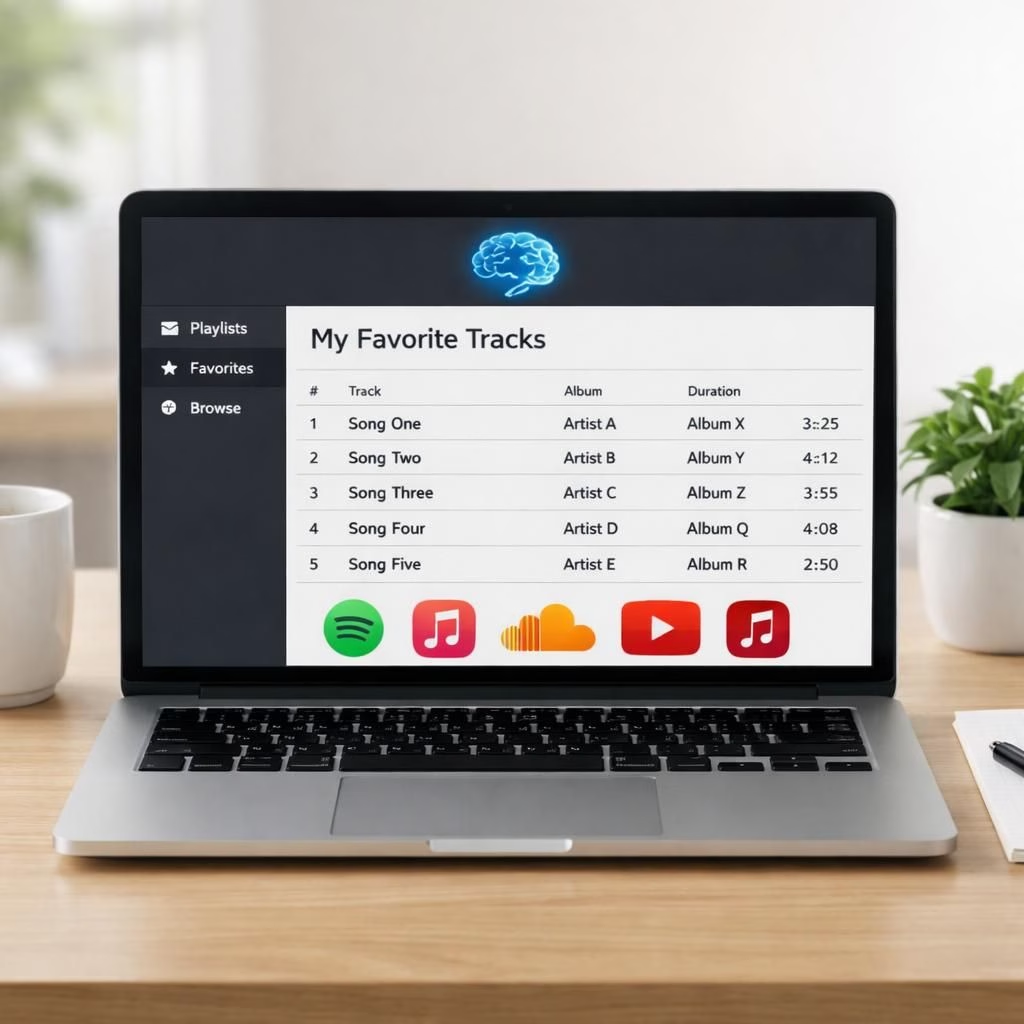
In 2026, AI-music-detection moves beyond Deezer, unleashing Cross-platform-coverage for your playlists across 20 streaming services. Deezer pioneered labeling AI-generated tracks and even offered the tech to others, but uptake was tepid. Now the detector goes where you go: into Spotify, Apple Music, SoundCloud, YouTube Music, and more, because everyone deserves a shot at spotting synthetic sound.
AI-music-detection in the wild: Deezer goes cross-platform
Deezer’s tech, once a boutique lab project, now acts as a public service for playlists across the ecosystem. The method remains simple: scan your imported playlists and flag AI-generated content. The company started with a labeling scheme and a claim that accuracy would improve as more brands joined the effort. With 2026 as the banner year, the goal shifts from a niche feature to a universal checker that respects user control and clarity.
The detector presents results with a badge and a short explanation. The front end emphasizes transparency and straightforward action: hide a track, refresh a playlist, or share the report with a friend. The design choices reflect a preference for practical clarity over mystique, which makes AI-music-detection feel approachable and useful.
Cross-platform-coverage expands to 20 services
Importing playlists from other services sits at the heart of the plan. Cross-platform-coverage expands across 20 services thanks to a Tune My Music-like workflow. That means if you switch from Spotify or another platform, you can bring your library along and keep the detection history intact. The detector accesses your chosen service with permission, pulls in lists, and runs analysis that highlights AI-generated content in seconds.
The scope is more than a number. It creates a consistent labeling experience across platforms, powered by Cross-platform-coverage. The cross-platform-coverage approach ensures that one AI label travels with a track no matter where you listen. You get a clean dashboard, a quick run, and a shareable report that makes it easier to discuss what you hear with friends, colleagues, or the internet at large. The overall effect is less confusion and more conversation around synthetic music.
For listeners, a consistent label across services reduces the guesswork about what you’re hearing. For artists, it provides a new data point about how audiences encounter their work. For platforms, the model offers a chance to join a shared standard rather than defend a siloed badge. The vibe is collaborative rather than coercive, a refreshing stance in the often fractious world of streaming.
How the detector works for your playlists
At its core, the workflow is straightforward. You visit the Deezer AI music detector site, pick your streaming service, and grant access. Deezer imports your playlists and runs a content analysis pass. The system flags AI content and delivers a readable summary. You can click a share button to export the report for friends or social posts. The result is a transparent, reproducible check rather than a mysterious signal.
The technology leans on pattern recognition, not on guessing at taste or intent. It evaluates production cues, mastering signatures, and synthetic traits that often appear in AI-made tunes. The goal is to help listeners understand what they’re hearing rather than to police taste. Practical labeling encourages informed listening and healthier conversations about art and technology. The combination of AI-music-detection and Cross-platform-coverage gives listeners a reliable tool across multiple services.
Privacy remains a priority. The detector asks for permission to access data and keeps the scope focused on the playlists you authorize. It does not harvest everything you own or every click you make. The result is a precise report about probable AI origin, with context that helps you decide how to respond. This approach fits a broader push for transparency in algorithmic tools, which benefits both creators and audiences alike.
Two more thoughts: implications for listening habits
With Cross-platform-coverage, your listening habits become more traceable, but in a good way. You’ll notice an AI label when you pull a playlist from another service, and you can adjust accordingly. The experience is designed to be non-disruptive: it informs, not enforces, your musical choices. The AI-detect tag is a signal you can trust, rather than a verdict you must accept.
As more services join the conversation, you’ll see a gradual convergence around labeling standards. That convergence could be a boon for artists who want clear expectations and for fans who want clarity about what they hear. The long-term hope is a common language for AI-generated music that respects creative expression while empowering listeners.
In short, AI-music-detection and Cross-platform-coverage together turn a fragmented landscape into a more coherent listening experience. The update is practical, user-centric, and quietly ambitions—a rare blend in the streaming era.
Internal note: for readers curious about Deezer’s broader feature set, a Geeky Opinions piece discusses Wrapped-style features and related innovations. Wrapped and Replay features offer context on how Deezer is evolving its UX around music data.
If you have thoughts about AI-music-detection and Cross-platform-coverage, please share them in the comments below.
References
- The Verge: Deezer AI music detector coverage
- Tune My Music import workflow
- Wrapped and Replay features (Geeky Opinions)