

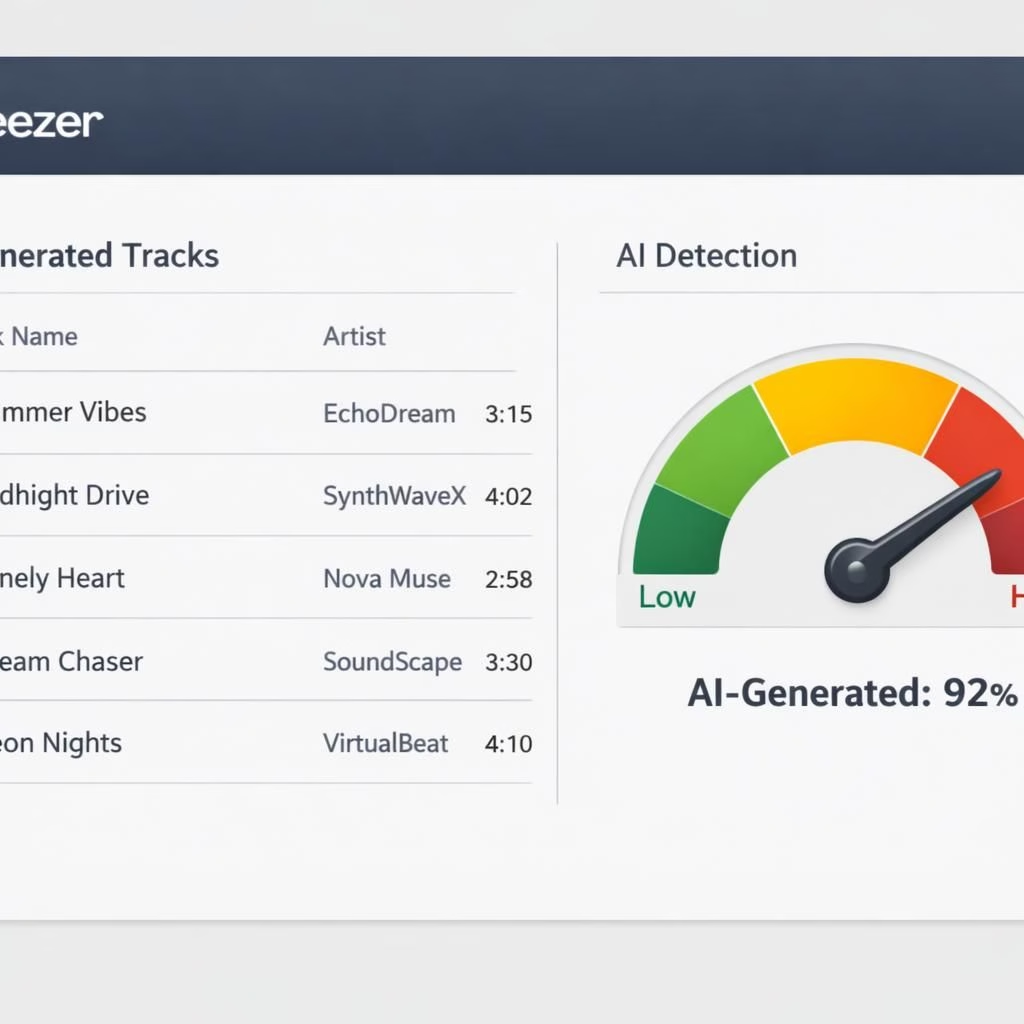
In 2026, the streaming world sees AI-generated music meet Deezer detection. Deezer reports nearly 75,000 AI-generated music submissions daily — about 44% of uploads — yet these tracks capture only 1–3% of streams. The math feels funny but factual, and it sets the scene for a smarter listening era.
Deezer responds with practical steps: demonetizing AI-generated music, stopping storage of high‑resolution copies, and clearly tagging AI-generated songs. The company positions this as an industry standard and asserts it is the only major service tagging AI-generated music. The goal is clarity for artists and fans, not punishment.
CEO Alexis Lanternier writes with a pragmatic wink: AI-generated music is no longer marginal, and as daily deliveries rise, the whole music ecosystem should protect artists and promote transparency for fans in 2026. The tone stays hopeful, not punitive.
Creation tools like Suno and Udio gain traction. Platforms respond differently. Spotify tightens AI rules. Apple Music asks for AI labeling from artists and labels. Bandcamp bans AI music altogether. Qobuz labels AI music by default. Deezer remains proactive in the policy arena.
Deezer notes a striking surge since January 2026: uploads jumped from 10,000 to 75,000 per day. The company now licenses its AI-detection technology to others. It aims to detect music without requiring a separate training dataset. The approach broadens access and lowers barriers for smaller players.
AI-generated music policy and transparency
The detection tool can identify AI-generated music made with Suno and Udio and can extend to other tools with available data. It prioritizes transparency without erasing creative risk-taking. The aim is to help artists monetize fairly and help fans understand what they hear. The policy reduces fraudulent uploads that distort the listening experience.
From a practical standpoint, the tool’s expansion is a win for the ecosystem. It’s designed to be adaptable, with potential for new tool detection added as data becomes available. Deezer’s stance is that technology should aid governance, not replace human judgment or artistic intent.
Deezer detection in practice: ethics and effectiveness
The result is a cleaner playlist for listeners and better income predictability for artists. The tech isn’t perfect, but it’s improving. Open explanations about how detection works help all parties. Fans hear clearly labeled AI-generated tracks, and creators gain trust with transparent labeling in 2026.
For listeners, the outcome is simple: know what you’re hearing and why it’s labeled that way. For artists, it’s a path to defend rights and build trust with the audience who values authenticity. The ecosystem becomes more resilient when policy and tech align.
As the policy mosaic evolves, Deezer’s approach shows that scalability, fairness, and innovation can coexist. The music landscape gains a robust guardrail that supports talent and protects fans. And it proves companies can lead with policy that also feels humane.
Have thoughts on AI-generated music and Deezer detection? Share your perspective in the comments so we can discuss the balance of art, policy, and technology with good humor and care.
References for further context: TechCrunch coverage and The Verge reporting on Deezer’s AI music landscape.
Practical steps for creators and listeners
- Check labeling on AI-generated tracks before sharing or monetizing.
- Use provided guidelines to ensure fans understand the origin of music.
- Stay informed about platform-specific rules as AI policies evolve.
FAQ
- Q: What is Deezer detection and how does it help users?
- A: It refers to Deezer’s AI-based system that tags and identifies AI-generated music to improve transparency and reduce misleading uploads.
- Q: Does labeling affect how songs are monetized?
- A: Labeling aims to keep attribution clear, which supports fair monetization and honest listening experiences.
- Q: Will these policies disrupt artists’ creative workflows?
- A: The goal is to protect artists’ rights while preserving creative exploration, with transparency for fans as the priority.