

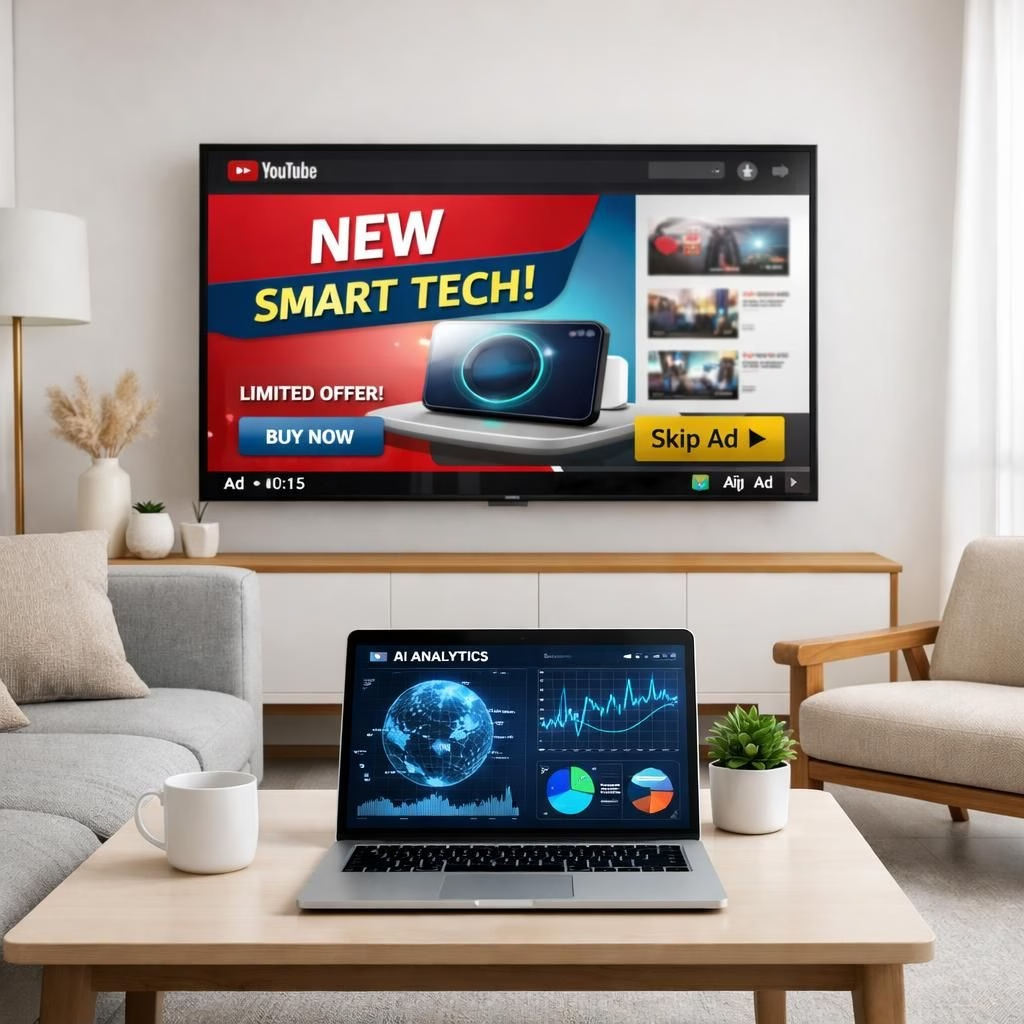
In 2026, YouTube ads and VRC Non-Skip ads are reshaping how brands reach audiences, with longer, unskippable formats and Google AI-powered targeting. The shift is real, not a rumor, inviting marketers to blend craft with algorithmic timing. Viewers gain tighter relevance, while advertisers gain a steadier pace for storytelling across screens big and small.
Behind the curtain, the tech stack grows more capable. Google AI links longer ad bodies to audience intent, enabling better alignment with viewers who watch TV or stream on laptops and phones. Brands can pair creative ideas with data signals to optimize timing, length, and placement. The outcome is more relevant exposure that still respects the viewer’s time.
The advent of longer, unskippable ad formats does not mean chaos. It means a chance to tell bigger stories with better targeting. The new tools are not a blunt instrument but a precision drill. Advertisers can craft variants that test different hooks, moments, and calls to action, while AI keeps the cadence on track and the budget on target. The economy of attention gets a gentler, smarter navigator.
YouTube ads and VRC Non-Skip ads in 2026: A connected future for modern marketing
This dual-world approach lets YouTube ads and VRC Non-Skip ads extend reach. YouTube ads can ride traditional broadcast windows while the same category of ads unlock cross-screen opportunities via Google AI. The combo gives brands more touchpoints and a shared language across platforms. Marketers must plan longer campaigns with clear milestones and guardrails to prevent fatigue.
Practical insights for YouTube ads and VRC Non-Skip ads in a live campaign
- Start with a strong 5-second hook. YouTube ads should grab attention early, then let the story breathe as AI optimizes messaging in real time.
- Measure cross-device impact using unified metrics, not siloed counters. Test variations that work on TV blocks and digital feeds alike.
- Budget prudence and creative discipline are essential. Plan with resilience and curiosity.
Cross-screen planning helps align TV, streaming, and online video under a single narrative arc with VRC Non-Skip ads. Creative design should lead with clarity, respect the viewer’s time, and avoid jargon. Technical readiness ensures ad payloads render well across devices and speeds.
Some readers worry about viewer fatigue. The truth is that well-timed, high-quality, contextually relevant campaigns can reduce annoyance. The goal is to deliver value, not to shout louder. Brands that pair sensitivity with data will win more trust, even as ad length grows.
There is a subtle shift in creative strategy. Ads that linger need stronger storytelling and better pacing. The time spent in the spotlight should feel earned, not forced. With YouTube ads and VRC Non-Skip ads, brands who adapt will sit at the center of the attention economy, not at its mercy.
What do you think about these changes? Share your thoughts in the comments below and tell us how you would approach YouTube ads and VRC Non-Skip ads in 2026.
Original coverage and inspiration: Dexerto: YouTube ads are about to get even longer and they’ll be unskippable. A big thanks to the original article for the insight into this topic.
External sources for context:
Google Ads,
Think with Google,
Google Ads Blog.