

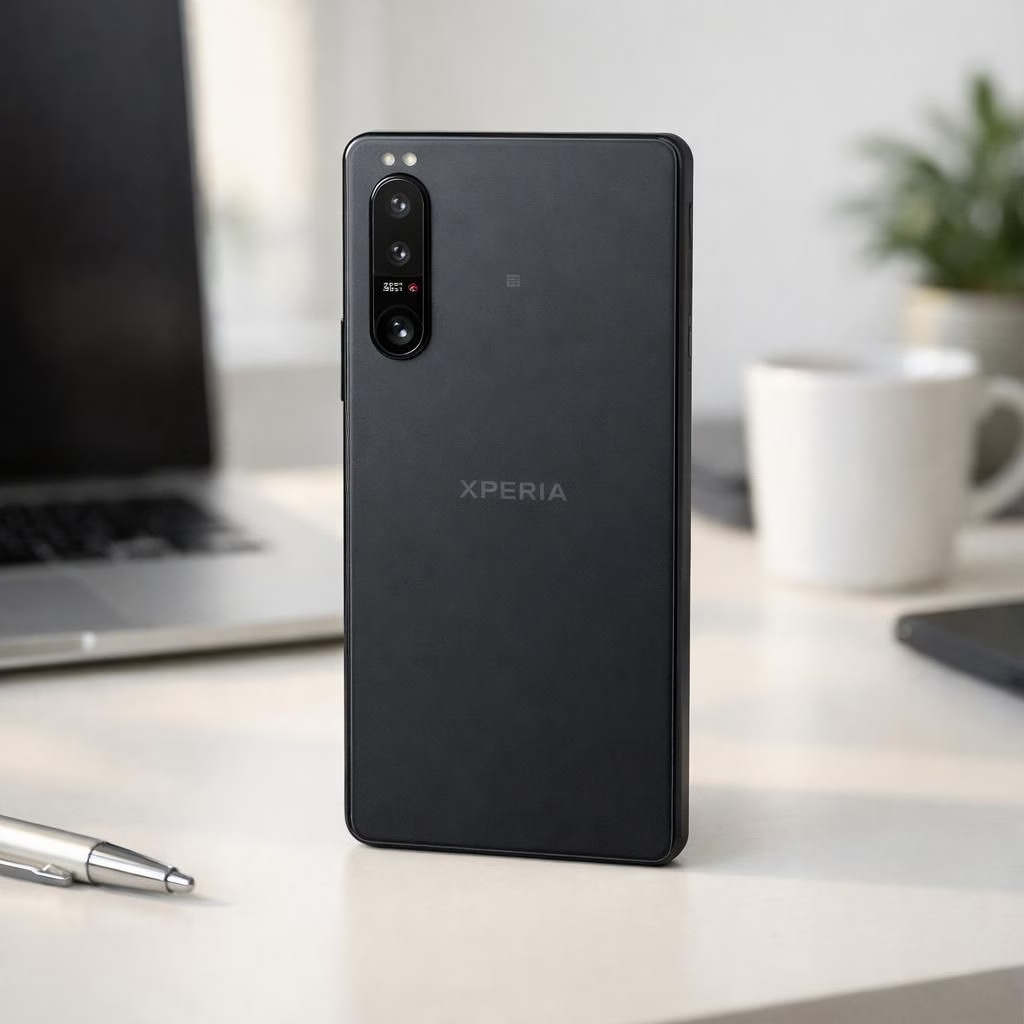
The Xperia redesign lands in 2026 with a focus on daily practicality. The device offers a steadier grip, kinder curves, and a chassis designed for hand comfort rather than show. Sony‘s engineering aims for a refined silhouette, improved grip texture, and a display that reads bright and true. The software team streamlines the user journey, trimming clutter and moving privacy prompts into a natural setup flow. This change makes the phone feel respectful of your time and your thumb, avoiding gimmicks that age poorly. It’s a redesign that finally earns its keep and shows the Xperia brand can deliver substance along with style.
Xperia design refresh: a practical win for 2026
The Xperia refresh embraces a more ergonomic profile, lighter bezel, and a glass that remains friendly to fingerprints rather than a canvas for fingerprints. The camera bump is minimized, which reduces wobble when you balance the phone on a table. Users will notice improved haptics and a more confident grip in daily use. The brand squeezes extra life from the battery with smarter power management, which translates to longer sessions between charges. The device supports fast charging, reliable biometrics, and a UI that prioritizes quick access to apps you actually open. The design philosophy reads as: keep it usable, keep it comfortable, and keep it resilient in a world of clumsy trousers and busy pockets.
Xperia design philosophy: usability first
In daily use, the focus stays on practical touchpoints and predictable performance. The UI leans toward clarity, with logical swipes and toggles that aren’t buried in menus. You’ll notice the phone remains responsive during camera launches, gaming bursts, and multi-app juggling. This is not about chasing novelty; it’s about making the everyday feel calmer and more capable.
Sony’s camera-forward reliability and future
Sony leans into its strengths with the new camera system and reliable core features. The Sony Xperia line stays true to its imaging roots while borrowing helpful shortcuts from modern smartphones. Users get faster autofocus, improved noise handling in challenging lighting, and better stabilization for video. In practice, this reduces the friction of photography, letting you capture moments rather than chasing settings. The device remains robust enough for daily commutes, with smart cooling and measured power use keeping performance steady. The message is clear: Sony isn’t chasing gimmicks; the company is investing in the core experience that keeps you coming back, week after week, month after month.
Xperia design decisions that matter for 2026
For readers who care about the long game, the redesign also slots into broader trends for 2026: longevity, sustainability, and a more humane software path. The Xperia benefits from recycled materials choices, a modular approach to components where possible, and a thoughtful packaging story. In short, Sony‘s plan is not just to sell you a phone but to offer a dependable tool that ages gracefully. A few tweaks to the camera UI, a more predictable update cadence, and a focus on privacy controls show a company listening to user feedback and delivering a more confident, less flashy device. As with any important update, the real test comes from real-world use, where small changes create meaningful comfort over time.
Practical security takeaways for 2026
- Keep on-device encryption enabled and review permissions regularly.
- Use the built-in password manager to avoid reusing codes.
- Rely on trusted updates and transparency in app permissions.
Two practical takeaways for 2026 security tips: keep an eye on on-device encryption, enable app permission protections, and use the built-in password manager. The phone’s likely updates will emphasize transparency, telling you what apps do and why. The overall package is designed to reduce friction while increasing safety. The result is a more confident Xperia that respects your time and your data, with Sony ensuring that the tech is accessible to a broad audience rather than a vanity project for gadget connoisseurs.
Critically, the redesign doesn’t forget affordability or value. While premium pricing persists in flagship tiers, this iteration makes a strong case for returning buyers who want a refined experience without a heavy price jump. If you’re coming from a previous Xperia, the learning curve feels shallow; if you’re new, the device still offers a friendly, approachable entry into Sony’s ecosystem. The balancing act between camera prowess, display beauty, and everyday reliability feels intentional rather than opportunistic, and that’s the core appeal of this design.
For developers and tech enthusiasts, the update offers a chance to re-explore Android’s customization without breaking the basics. The UI remains accessible, with developer-friendly features tucked behind sensible toggles. The result is a phone that can be a daily driver for work, gaming, and photography, without requiring a PhD in gadgetry to operate.
In the end, the Xperia-Sony combination feels deliberate rather than flashy. It doesn’t chase the loudest camera spec or the brightest display at the expense of day-to-day use. Instead, it stitches together a coherent, durable, and thoughtful package. If past Xperia devices taught us anything, it’s that patience with a brand can pay off when the end product respects both the user and the craft.
Original article attribution and thanks: The Verge published the original coverage. Thank you for the thoughtful material. See here: Sony’s new Xperia phone gets an overdue redesign.
We invite readers to share their thoughts in the comments.