

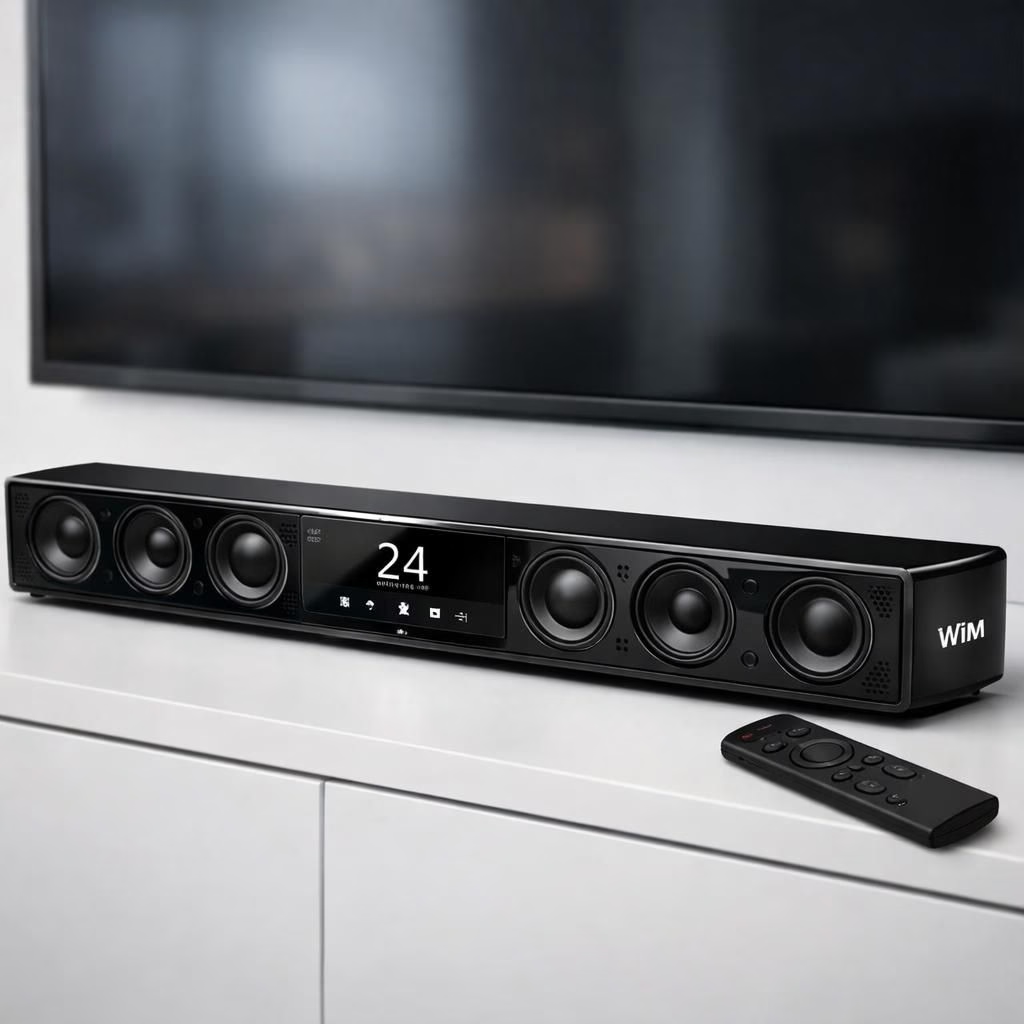
In 2026, the WiiM Bar arrives with swagger, signaling WiiM’s first bold step into the soundbar category. The model promises cinematic immersion and Dolby Atmos-tinged music performance without requiring a degree in acoustics. The 3.0.2-channel system relies on an eight-driver array—front mid-woofers, front tweeters, and full-range height drivers—with top-firing height channels designed to mimic overhead effects. RoomFit auto-correction tailors the sound to your space, because who hasn’t imagined a tiny calibration wizard living in their living room? Dolby Atmos and DTS:X are onboard to cover object-based surround formats, while the WiiM Home App handles EQ tweaks and access to streaming services. Spotify Connect, Tidal Connect, Qobuz Connect, and Roon are all supported, so music moods and movie moods can share the same ecosystem. HDMI eARC ensures a straightforward link to your TV, and a glass 2.1-inch touch display provides playback feedback at a glance, complemented by a traditional remote. Launch is planned for July 2026 in gloss black, with pre-orders at £449 / $479 / AU$840, positioning it as a fresh challenger to established names like the Sonos Beam Gen 2.
WiiM Bar: design and ecosystem expansion
The bar’s eight-driver array isn’t just a box of parts; it’s a statement that audio fans want more than a slim soundbar and a polite midrange. The front mid-woofers add weight to the bass without turning the room into a bass-boosting nightclub, while the front tweeters and full-range height drivers aim to deliver clarity and a sense of space. Top-firing height channels are meant to create an overhead ambience, a feature reviewers often treat as optional theater insurance—the kind you only miss when it’s absent. RoomFit auto-correction promises a quick fix for room irregularities, from large sofas to near-field coffee tables, helping you avoid that dreaded “dead zone” where dialogue evaporates. The glass 2.1-inch display adds a modern, almost satisfyingly sci-fi touch, while the remote keeps things traditional for those who prefer tactile control. In terms of connectivity, HDMI eARC is the backbone for TV-sound integration, and the device’s aesthetic—gloss black, clean lines—aims to blend into most living room palettes rather than scream for attention. The Bar’s compatibility with the WiiM Home App means you’ve got EQ and streaming shortcuts in one place, staying consistent with the brand’s ecosystem-friendly approach.
- What’s in the box: WiiM Bar, remote, power cable, HDMI cable, quick-start guide.
- Setup at a glance: HDMI eARC to TV, install the WiiM Home App, run RoomFit auto-correction.
- Key strengths: robust app integration, multi-room streaming, and a visually modern design.
Dolby Atmos: immersion, height channels, and content choices
Dolby Atmos is the feature most people look for in a modern soundbar, and this bar tries to deliver a convincing sense of space without turning your room into a theater. The 3.0.2-channel configuration, with its top-firing height drivers, aims to create overhead cues that add realism to action scenes and musical transients. In practice, Dolby Atmos effects depend on source material, the room, and luck, but when Atmos content is available, the bar paints a more three-dimensional soundstage than the typical two-channel presentation. DTS:X is included as an alternative path for immersive audio, broadening the compatibility landscape and giving you more ways to enjoy surround sound without ceiling speakers. Software-wise, the bar’s compatibility with streaming ecosystems—Spotify Connect, Tidal Connect, Qobuz Connect, and Roon—lets you push Atmos-encoded tracks and Atmos-enabled movies through a unified interface, which is exactly the kind of convenience that makes late-night listening sessions feel almost like a spa retreat for your ears. A practical caveat: you’ll want content that actually uses Dolby Atmos to hear the best effect, and a room that doesn’t fight the audio with too many hard surfaces. The overall proposition is that Dolby Atmos can complement a well-tuned system, provided expectations remain grounded in room acoustics and source material.
WiiM Bar vs the competition: can it shake up the market?
When you compare price, size, and features, the WiiM Bar sits in a competitive sweet spot. It aims to be more than a one-trick pony: Atmos-capable hardware with an app-driven ecosystem that emphasizes ease of use and streaming flexibility. The price tag sits between budget options and premium visions, creating a case for a living-room hub that doesn’t force you to compromise either on music or movies. The company’s leadership frames the product as part of a broader ecosystem expansion, and that ambition sits well with users who already rely on their app for multi-room listening and streaming controls. Critics, however, ask whether the design quirks—potentially polarizing looks, plus the reliance on software to realize the Dolby Atmos effect—can beat more established names in the space. The learning curve may exist, but the promise of a more cohesive WiiM experience might win over users who value streaming integration and straightforward calibration over mere compactness. Dr Lifeng Zhao’s vision of ecosystem expansion looms in the background, providing a reason to watch WiiM’s next moves closely as they refine the Bar for real-world listening rooms rather than showroom demos. The outcome remains to be seen, but the Bar clearly signals WiiM’s intent to be part of living rooms, not just a streaming corner of the internet.
If you’re curious about the practicalities, note the affiliate-disclaimer commonly included with this type of coverage: purchasing through affiliate links may earn the publisher a commission, which helps support more hands-on reviews like this one. That aside, the combination of eight drivers, RoomFit auto-correction, Dolby Atmos support, and a strong app ecosystem makes the Bar worth considering for readers who want a single, cohesive soundbar experience—especially if you’re already invested in the WiiM Home App and its streaming options. In July 2026, with pre-orders already open in multiple regions, the device invites you to imagine a living room where high-fidelity audio meets everyday usability. The gloss black finish keeps things stylish, and the price point nudges it into a space where it could become a practical alternative to more famous rivals for the right listener who craves a modern, connected sound setup—and who doesn’t want a touch display glimmering softly while you press play? If this sounds like your cup of tea, the conversation continues beyond this page.
Original article: What Hi-Fi? — Thank you to the original source material for inspiration and context that helped shape this recap.
Getting the most from the WiiM Bar: quick-start tips
- Connect via HDMI eARC to ensure full TV-sound integration.
- Open the WiiM Home App and run RoomFit auto-correction in a real listening setup.
- Experiment with the app’s EQ presets to balance dialogue, music, and effects in your room.
- Try a mix of Atmos-enabled movies and hi-res audio tracks to compare spatial cues.
FAQ: common questions about the WiiM Bar
- Does the WiiM Bar support Dolby Atmos content from streaming services?
- Yes, Atmos-enabled titles and tracks will benefit from the bar’s height channels, provided content is Atmos-encoded and your listening space supports the cues.
- Can I use the WiiM Bar without the WiiM Home App?
- Basic volume and input controls work with the remote, but the App unlocks EQ, calibration, and streaming shortcuts that improve the overall experience.
- How does RoomFit auto-correction affect real-world listening?
- RoomFit analyzes your room’s seating and surfaces to optimize balance, reducing muddy bass or hushed dialogue in typical living rooms.
- Is the design of the WiiM Bar a factor in sound performance?
- Yes. The eight-driver array and top-firing height channels are paired with software features; the look is part of a broader ecosystem approach rather than just aesthetics.
Bottom line
The WiiM Bar makes a compelling case as a modern, ecosystem-centered soundbar that fuses Atmos-capable hardware with an app-driven workflow. It won’t be everyone’s cup of tea, especially if you prioritize a room-optimized, ceiling-speaker alternative, but for listeners already invested in the WiiM ecosystem, it offers a cohesive path toward high-fidelity entertainment in a compact package.
References
References
Original source linkback: https://www.whathifi.com/tv-home-cinema/soundbars/wiim-launches-its-first-ever-dolby-atmos-soundbar-and-its-sights-are-set-on-sonos
External references for further reading