

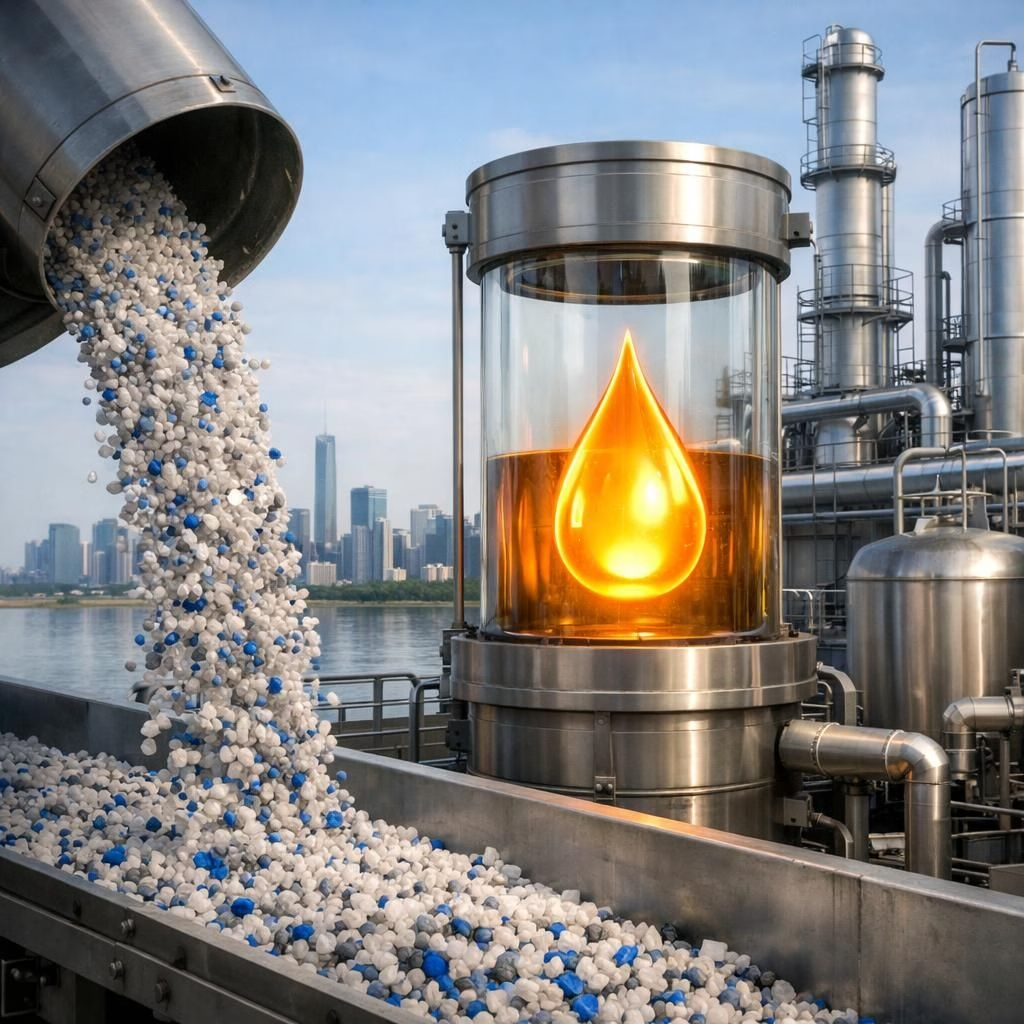
Plastic waste and jet fuel meet in a cautiously optimistic study from China, proposing a cost-effective path to energy that starts with trash. A credible study suggests plastic waste can be converted into jet fuel at a surprisingly low cost, turning waste streams into energy inputs.
The takeaway is practical, not sci‑fi. It hinges on efficient design, throughputs, and regulatory guardrails that support real-world implementation.
To scale this approach, facilities will need consistent supply from plastic waste streams and robust processing. The math can work if technology is robust and regulation is friendly, bridging the energy gap to jet fuel.
Plastic waste to jet fuel: A practical overview
The process upgrades mixed plastic waste into light hydrocarbons suitable for jet fuel blends, with less pre-sorting required. In practice this reduces handling costs and narrows the energy gap between trash and the fuel market.
China’s pilots emphasize feedstock flexibility because plastic waste streams vary by city, making unsorted inputs particularly valuable. Still, independent reviewers call for transparent data and external verification of emissions and lifecycle claims.
Jet fuel economics and emissions: ticks and concerns
On the economics side, lower feedstock costs and higher processing yields could push jet fuel prices lower, but investors and regulators will watch closely.
The math favors a competitive price if unsorted plastics can be converted reliably; however, regulatory clarity and reliable supply chains matter. Emissions depend on reactor heat, catalysts, and lifecycle performance, so independent analysis is essential before judgments are made.
Standards, testing, and certification pathways for jet fuel substitutions will shape scale-up. Public perception can frame plastic waste as a resource rather than a problem when safety and air quality controls are credible. The line from trash to energy is deliberate and engineered, not magical.
Plastic waste futures: policy and industry alignment
Governments will decide how these technologies fit into national energy strategies, balancing energy security with environmental safeguards. Investors will scrutinize price stability, feedstock access, and compliance costs as crude markets swing. Public-private pilots can accelerate testing and regulatory reviews, provided robust data and transparent reporting.
Practical takeaway: treat jet fuel potential as a policy and industry opportunity rather than a license to celebrate trash. The goal is smarter handling and smarter energy, not marketing hype.
Bottom line: turning plastic waste into jet fuel at a lower cost could reshape regional energy dynamics. Yet skeptics remind us to measure air quality, life-cycle impacts, and community benefits with equal rigor. Readers deserve clear numbers, transparent testing, and honest tradeoffs before we celebrate. Share your thoughts below, and tell us how you view plastic waste and jet fuel’s future.
Original source credits and thanks: we appreciate the coverage from the South China Morning Post for the initial overview. Special thanks and a linkback to the original article are provided below as a courtesy: South China Morning Post.
Thank you for reading, and a final nod to the original reporting at South China Morning Post for the baseline study.
Original source: South China Morning Post for the initial coverage; additional perspectives were shared by Gizmodo, Phys.org, Chemistry World, and The Engineer in the referenced materials.
References
- South China Morning Post: China can turn plastic waste to jet fuel at a low cost: study
- Jet fuel explained (U.S. EIA)
- Waste-to-energy (IEA)
- Chemistry World: Chemical treatment slashes emissions of making hydrogen from plastic waste