

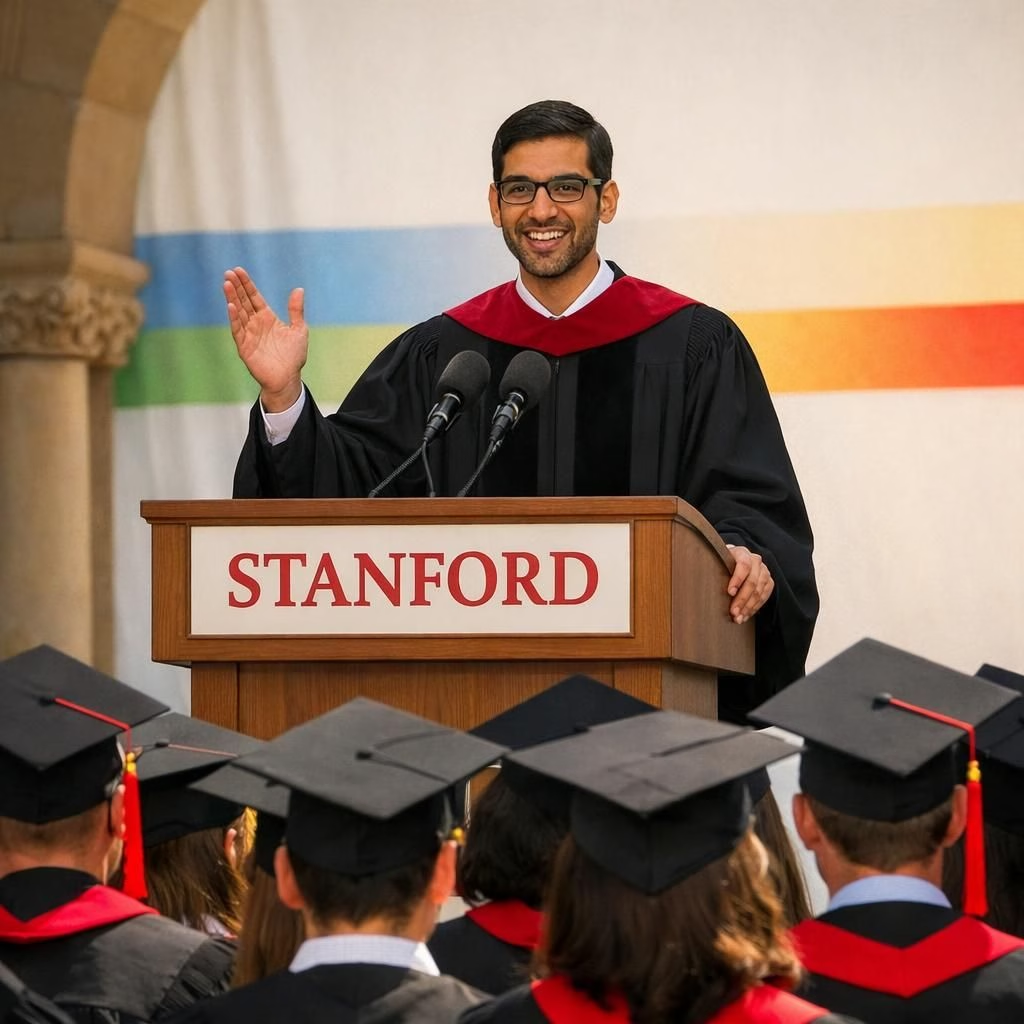
Technology and CareerAdvice meet in Sundar Pichai’s timeless Stanford commencement reflections, a cheerful reminder that life outside the classroom matters more than the latest gadget. From his Chennai beginnings to a campus stage in California, Pichai keeps his cool and speaks with practical optimism. The timeless advice is clear: you can be deeply connected to Technology without letting it decide your fate. Your life, your choices, your happiness—these are the real product features. The crowd of new graduates sits with bright eyes, and Pichai’s calm tone turns pressure into curiosity, reminding them that very few moments in life are truly make-or-break. The message lands: Technology is a tool, not a dictator, and your future is a canvas you shape with intention.
Technology: Timeless lessons for a fast-moving world
Technology is everywhere, yet Pichai argues that wisdom travels ahead of the newest release. He emphasizes two ideas: treat big decisions with patience, and don’t mistake a single milestone for a lifetime verdict. He cites his own path—Gmail’s launch day, a small engineering team, a browser born amid skepticism—and shows how persistence outlasts panic. In 2026, this approach feels more valuable than ever: software changes, markets shift, and people change careers more than once. The real constant? A focus on values. Technology remains a tool that helps your life, not a script you must follow. When you understand this, you start choosing projects and roles that align with your purposes, not just your paycheck. CareerAdvice also benefits from this clarity, because clear goals beat glossy buzz every time.
CareerAdvice: The three filters that guided a life in tech
To help grads cut through the noise, Pichai shared three personal filters that steered his journey from a modest start in Chennai to the helm of a global tech giant. First, Choose optimism. He recalls a childhood where water rationing and patched telephones felt normal, yet hope kept him moving. In 2026, optimism remains a practical productivity hack. It nudges you to pursue opportunities even when the headlines scream crisis. When you practice optimism, you see options where others see obstacles, and you build resilience instead of regret. This is a core strand of CareerAdvice in action—hope fueled by concrete steps, not rosy fantasies.
Second, Work on hard things. Pichai’s career did not explode with one lucky break. He joined Google in 2004, the same day Gmail launched, and his team started out with ten engineers. The Chrome browser story is a classic example: early days looked bleak, traffic grew slowly, and critics insulted the product. Yet the team kept going, driven by California optimism and a refusal to quit. The outcome? Chrome became the dominant browser and a cornerstone of millions of daily tasks. The moral is simple: progress comes from showing up for the tough stuff, time and again. This is the practical spirit of CareerAdvice: don’t chase the easy trophy, chase the meaningful win.
Third, Do what excites you. The core driver for Pichai is not fame but access—giving more people the chance to use Technology to improve their lives. He remembers walking into Stanford in 1993 and feeling a spark when he saw rows of computers available to everyone. Decades later, he sees the same excitement in rural India where Android devices empower women to learn new trades, and in Pittsburgh where students leverage Google tools to study, invent, and collaborate. The promise remains the same: follow the curiosity that lights you up, and the rest follows. This is the heart of CareerAdvice—align your work with the spark, and momentum follows like a well-timed update.
So yes, Pichai’s advice is not a strict roadmap but a set of useful lenses. The takeaway is practical: balance ambition with a clear sense of purpose, nurture your optimism, embrace tough challenges, and let your passions lead you to meaningful work that scales with time, not just with tech trends. Technology remains the stage, but CareerAdvice supplies the cues you can use to perform with confidence.
In a world that loves headlines, Pichai offers a calm syllabus: be humane about your career, be stubborn about your standards, and be curious enough to keep growing. The blend of Technology and CareerAdvice here is not flashy theater; it’s a dependable toolkit for anyone stepping into 2026 with big dreams and small comforts—like a stable routine, a reliable set of mentors, and a willingness to learn from mistakes rather than pretending they never happened.
Technology in daily life
Across the years, the core idea remains the same: technology should amplify your choices, not dictate them. When you approach your career with that mindset, you preserve autonomy while leveraging tools that expand what’s possible.
Practical takeaways: turning timeless wisdom into everyday action
Here are concrete steps graduates can start this week: identify a long-term goal and map three small projects that push you toward it. Schedule quarterly reviews to re-align with your purpose. Seek mentors who challenge you, not just compliment you. And finally, say yes to hard problems that align with your values, even if the payoff isn’t immediate.
FAQ
-
What is the core message of Sundar Pichai’s Stanford speech?
The core message treats Technology as a powerful tool and emphasizes CareerAdvice-like lenses—optimism, tackling hard problems, and following what excites you—over chasing hype or a single big achievement.
-
How can graduates apply these lessons today?
Focus on meaningful tasks, seek challenges that align with your values, and build resilience through repeated, deliberate effort. Use CareerAdvice as a practical framework for decision-making and goal-setting.
-
Did Pichai speak about AI in the address?
The emphasis was less on AI specifically and more on timeless life lessons—how to navigate a fast-changing tech world with purpose and balance.