

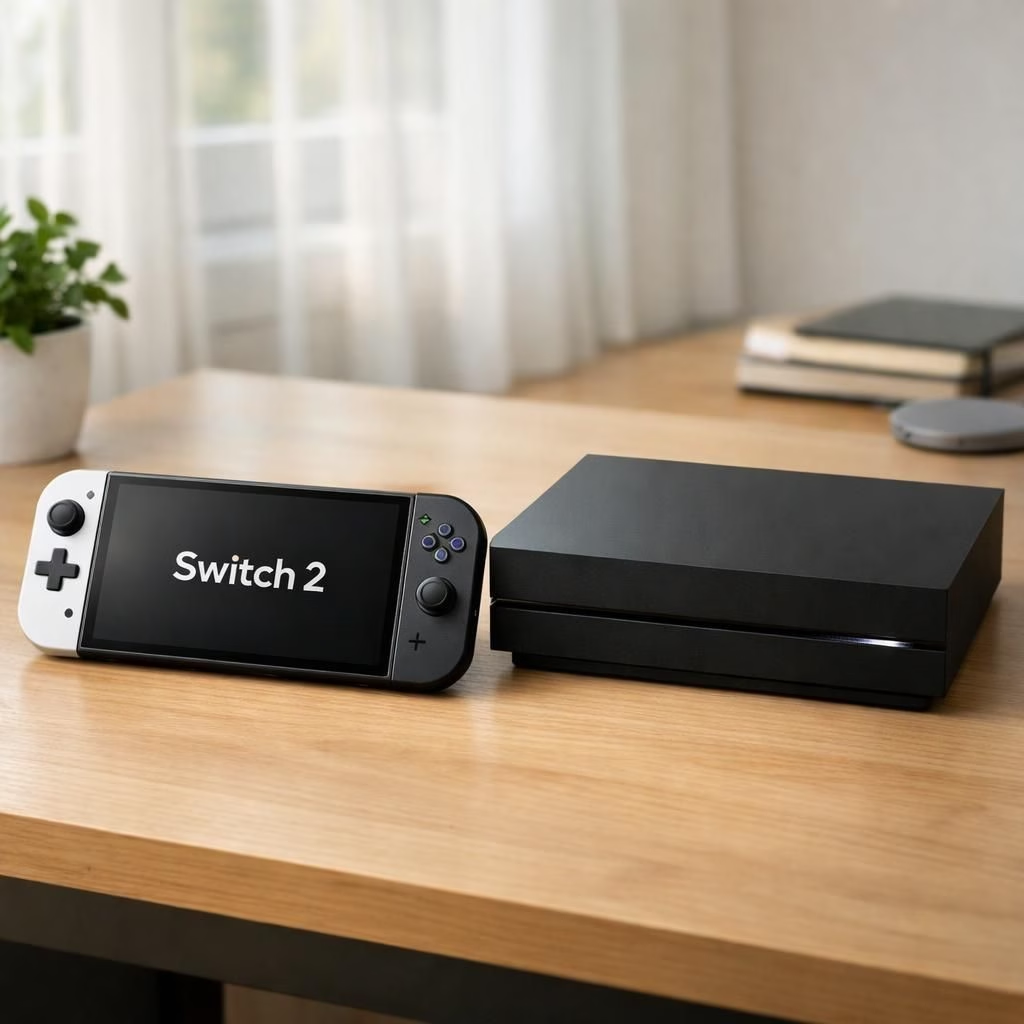
Welcome to a sunny, practical look at Switch 2 and Game launches as we head into 2026. The conversation centers on a company that is both playful and precise: Nintendo. Reports suggest Switch 2 is still pretty cagey about letting games launch, and the team doesn’t want the event to become a giant slop fest. The result is a narrative about careful pacing, focused content, and a plan that values quality over hype.
Let’s unpack what that could mean for players, developers, and the living room setup we all love.
Switch 2: What cagey means for devs
Nintendo’s cagey stance isn’t mysterious; it’s practical. It signals a desire to protect brand integrity and avoid day-one problems. It also aims to guide developers toward a smooth ecosystem, not chaos. For Switch 2, the team likely wants a solid hardware baseline, stable online services, and a curated lineup.
They want to showcase the platform’s strengths, not a rush of half-baked ports. The goal is to keep expectations realistic, not punish fans with hype. In practice, this could mean longer development cycles, closer collaboration with first-party studios, and a thoughtful cross-compatibility plan with existing Nintendo games.
Game launches: pacing and polish
Initially people worry about a staggered slate. The truth is that pacing can be a feature, not a flaw. A measured introduction lets developers ship core experiences first.
Then they layer in enhancements, DLC, and parity through patches. The indie scene tends to thrive in this tempo, because small teams can react quickly and avoid the pressure to hit a single big day.
When we discuss Game launches, momentum hinges on clear, deliverable milestones. A roadmap that pairs a few first-party titles with a steady indie presence helps maintain consumer interest without overstretching hardware.
The delivery matters as much as the content. If a Switch 2 launch leans on quality trailers, accessible demos, and a promise of frequent updates, players will stay engaged even if some big titles slip to later windows.
This careful approach benefits developers too, who get time to polish and to align with Nintendo’s online framework and eShop polish.
In practice, a measured cadence—rather than a rush—gives Game launches room to breathe and reach more players over time.
Switch 2 and the indie scene: collaboration over chaos
The indie ecosystem benefits when platform holders offer clear guidelines, fair storefronts, and timely feedback.
Switch 2 could become a launchpad for unique experiences that shine on a living-room screen and a compact handheld.
When devs know the rules of engagement—whether it’s performance targets, control schemes, or accessibility features—they can focus on creativity rather than firefighting.
A collaborative vibe reduces the risk of a messy release and fosters memorable games that show off Nintendo’s hardware in thoughtful ways.
Of course, all of this hinges on practicalities like supply, price, and regional availability.
The conversation around Switch 2 also touches on backwards compatibility, which matters for players who still collect physical cartridges or who want to replay a library on a new machine.
A strong backward-friendly policy helps preserve value for older games and keeps the ecosystem healthy as new software arrives.
The challenge is not merely to ship a console, but to build a platform that respects players’ time and wallets.
In that sense, the newsroom chatter about guarding launch quality feels aligned with a bigger promise: sustained excitement rather than a one-night stand with hype.
What this means for gamers at home
For the average game night, the story translates into practical wins: consistent performance, smoother online experiences, and a library that feels coherent across generations.
Switch 2 could offer a curated mix of flagship titles and surprising indie games that look and run beautifully.
If Nintendo follows through on a polished UI, clear parental controls, and straightforward digital storefronts, families and solo players alike will find it easier to plan weekends around new releases.
The goal is simple: a console that feels reliable enough to rely on, without turning every update into a graph of feature bloat.
In short, a well-timed lineup plus thoughtful tweaks can transform a cautious stance into a routine of enjoyable discovery rather than a sprint to catch up with the next big thing.
Special thanks to Nintendo Everything for the original article. You can read it here: Original Nintendo Everything article.
If you have a thought or a counterpoint, please share your thoughts in the comments.