

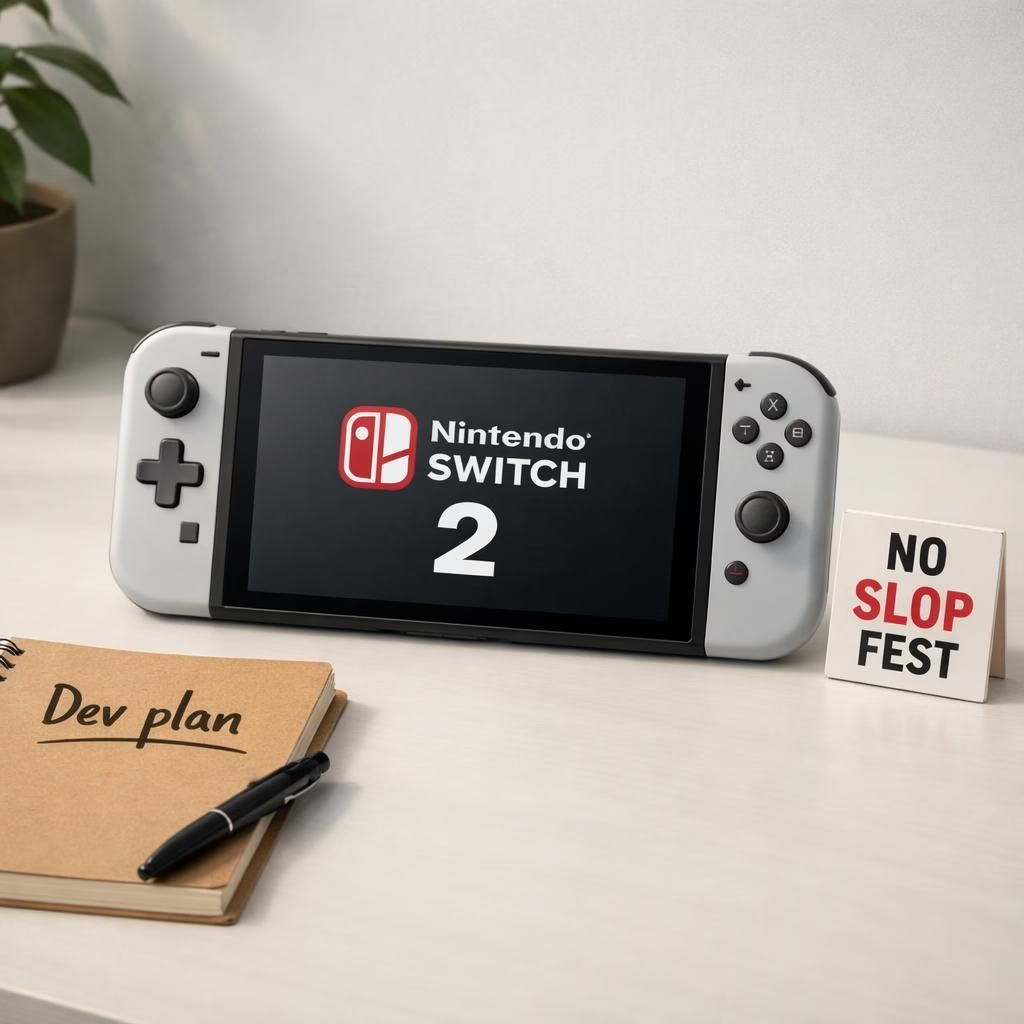
Switch 2 optimism meets strict curation to dodge slop fest chaos in a cheerful, practical preview readers will actually enjoy and share. Nintendo signals a patient approach as it readies the next generation hardware, leaning into quality over hype as 2026 looms.
Switch 2 Strategy: A calmer path for the Switch 2 era
The Switch 2 is not being rolled out as a reckless hype train. Instead, executives and engineers hint at a measured cadence: more powerful, but with more polish and fewer surprise delays. This Switch 2 strategy aims to give developers a clear runway, so games ship in a state that feels complete rather than rushed at launch. In practice, that means better dev tools, clearer guidelines, and a more transparent development timeline. The goal is simple: fewer misfires, more memorable experiences, and fewer days spent on post-launch patches that feel like digital therapy for anxious players. Switch 2 momentum, then, rests not on rapid hype but on reliable performance and dependable content pipelines.
For studios, the message is pragmatic, not punitive. A few mainstream titles may still appear on a tight schedule, but the door won’t slam shut on thoughtful indies that demonstrate craft and care. This is where the idea of accessibility collides with responsibility: dev kits may be more approachable, yet Nintendo will insist on standards that prevent a flood of sloppy software from diluting a compelling ecosystem. Switch 2 development becomes a test of discipline as much as imagination, and that discipline is the real story behind the coming years.
Industry watchers note that curation is not censorship, but a way to protect both players and creators. The target is a balanced library where novelty coexists with reliability. The Switch 2 design seems to reward games that leverage the console’s strengths—custom controls, efficient hardware, and a thoughtful user experience—without demanding a leap of faith from players at every release. In short, the Switch 2 plan looks like a long game, played with multiple quarters of polish rather than a single flashy first period. slop fest irritants are to be expected, but the aim is to minimize loud misfires that create a perception of the platform being a random grab bag rather than a curated collection.
What does this mean for players who enjoy fresh ideas? It means more of the games you actually remember after you put the controller down, and fewer experiences you forget within a week. It also means the Switch 2 ecosystem may become a little less chaotic in its early days, with fewer titles that resemble a rushed slop fest and more that feel thoughtfully produced. Switch 2 fans can celebrate the return of a calmer, more purposeful rollout rather than a carnival of loud announcements and empty promises.
Two recurring themes surface in conversations about the Switch 2: first, that quality control matters more than ever in a crowded market; second, that developers deserve clear, supportive tools to realize their visions. When both themes align, gamers win, because they get a steadier stream of well-crafted experiences. The Switch 2 approach acknowledges that reality, pairing ambition with accountability, and that pairing could define the console’s long-term reputation rather than a single headline splash.
In this landscape, the role of publishers and indie teams shifts slightly. Publishers may need to adjust timelines and budgets to accommodate a more deliberate release rhythm, while indies—who often ship big ideas on lean budgets—could find new opportunities if they maintain a high standard of polish. The Switch 2 ecosystem could become known for measured risk-taking, where ideas are weighed against the potential for a lasting, positive player impression. Switch 2 becomes not just a hardware upgrade but a signal that Nintendo is steering toward thoughtful innovation rather than spectacle alone.
For fans who crave details, expect more visible QA milestones, regional considerations, and content classification discussions as part of the ongoing development conversation. This is not a retreat from experimentation; it is a strategic anchor that helps big budget and small studio projects alike land with confidence. The emphasis remains on experiences that feel complete, intuitive, and fun to pick up, with a level of accessibility that doesn’t require a manual longer than a novel to understand. Switch 2 is less about spectacle and more about the sum of the parts: responsive hardware, coherent software, and a welcoming ecosystem that doesn’t guarantee perfection but does promise thoughtful polish.
In the broader tech world of 2026, this approach resonates with audiences tired of hype cycles and underwhelming launches. The Switch 2 plan is a reminder that progress can be steady, that craft deserves a spotlight, and that a slate of solid games can outshine one overwhelming launch window. It’s a narrative of patience rewarded with steady momentum, where the platform earns loyalty through consistent quality rather than constant fireworks. Switch 2’s future, therefore, feels more like a marathon than a sprint, with a finish line measured in well-loved titles, not just headlines.
Ultimately, the Switch 2 strategy acknowledges a hard truth: players value trust. When Nintendo communicates clearly about what’s coming and why, and when developers feel supported rather than squeezed, the entire ecosystem benefits. If the industry can keep the bar high while offering accessible tools, Switch 2 could stand as a beacon for thoughtful console ecosystems in 2026 and beyond. That’s the kind of future worth rooting for, and it’s the future that could define the next era of Nintendo’s gaming legacy.
Slop Fest Fears: How Nintendo plans to keep the lineup tight
The other side of the coin is the fear that a rushed, noisy release schedule could turn the eShop into a slop fest—a term that keeps popping up in conversations about shovelware and low-effort titles. Nintendo appears determined to prevent that outcome by leaning into stringent curation, smarter gating of what makes it to storefronts, and clearer communication with developers about expectations. It’s not about silencing creativity; it’s about stamping out noise that makes the good stuff harder to find.
Indie studios, in particular, may welcome the shift. The promise of accessible dev kits paired with clearer quality gates means smaller teams can still deliver polished experiences. The goal is to reward craftsmanship while preserving a welcoming environment for new ideas. The practical implication for players is simple: fewer surprises that disappoint, and more releases that feel intentional and well-made. Slop fest concerns push publishers and developers to slow down in the right places, focusing energy on stability, accessibility, and meaningful progression rather than a frenetic sprint to a glossy launch window.
For players, this translates into more reliable ports, fewer platform-specific quirks at launch, and a more predictable cadence of updates and enhancements. The Switch 2 ecosystem could become a place where experimentation still happens, but with guardrails that protect players from feeling burned by half-baked concepts. It’s a balance act: preserving creative freedom while maintaining a high standard of quality that earns trust over time.
From the perspective of game designers, the new landscape may also prompt smarter collaboration. Developers who craft modular, scalable experiences stand to benefit because the platform rewards thoughtful architecture and robust testing. The combination of better tools and disciplined release planning could accelerate the industry’s overall standard for quality. Switch 2’s reputation could hinge on how consistently it avoids the dreaded slop fest and how well it rewards teams that aim for polish at every step.
Of course, no plan is perfect, and the path to a flawless library is uphill. Yet the current direction feels less like a chore and more like a challenge: build bigger, ship smarter, and ensure every title earns its place. The extended timeline and refined gatekeeping are not about stifling creativity; they are about ensuring that players find cemented, memorable experiences when they sit down to play. In this light, the Switch 2 strategy reads as a thoughtful, pragmatic approach to a more sustainable console ecosystem, one that could serve both players and developers well into 2026 and beyond.
For readers who want a concise takeaway: Switch 2 is positioned as a platform that prizes quality, not noise; slop fest fears are being addressed with stronger curation and clearer expectations; and the result should be a healthier, more enjoyable gaming landscape for everyone. The focus is on craftsmanship, communication, and community—three ingredients that could make the Switch 2 era feel less like a flash in the pan and more like a lasting chapter in Nintendo’s story.
As always, the conversation continues. Share your thoughts below about whether you think this approach will sustain a diverse and vibrant lineup for Switch 2, and how you weigh accessibility against polish when you pick your next game. Your perspective matters and helps shape the ongoing dialogue around Nintendo’s evolving strategy in 2026.
Original article and thanks: Original Nintendo Life article — a sincere thank you for the thoughtful reporting that inspired this rewrite.
If you enjoyed this recap, please consider sharing your thoughts in the comments and linking to the original piece to help others discover the background. Your feedback helps shape a brighter, better-informed community around Switch 2 coverage.
Switch 2 guardrails in practice
In practice, this means Nintendo will balance ambition with hard evidence, and studios with a clearer path to polish. The goal is a durable lineup built on trust rather than hype.
Practical steps for readers and developers
- Prioritize titles with clear polish and complete-feel at launch rather than splashy, unfinished concepts.
- Use in-store filters and recommended-curation features to find titles that align with quality standards.
- Provide constructive feedback to publishers and developers to help improve accessibility without sacrificing depth.
- Watch for QA milestones and regional considerations before planning a purchase or release schedule.
- Support indie developers who demonstrate craft and long-term support through patches and updates.
References
- Original Nintendo Life article
- Nintendo Official Site
- The Verge – Nintendo coverage
- GamesIndustry.biz