

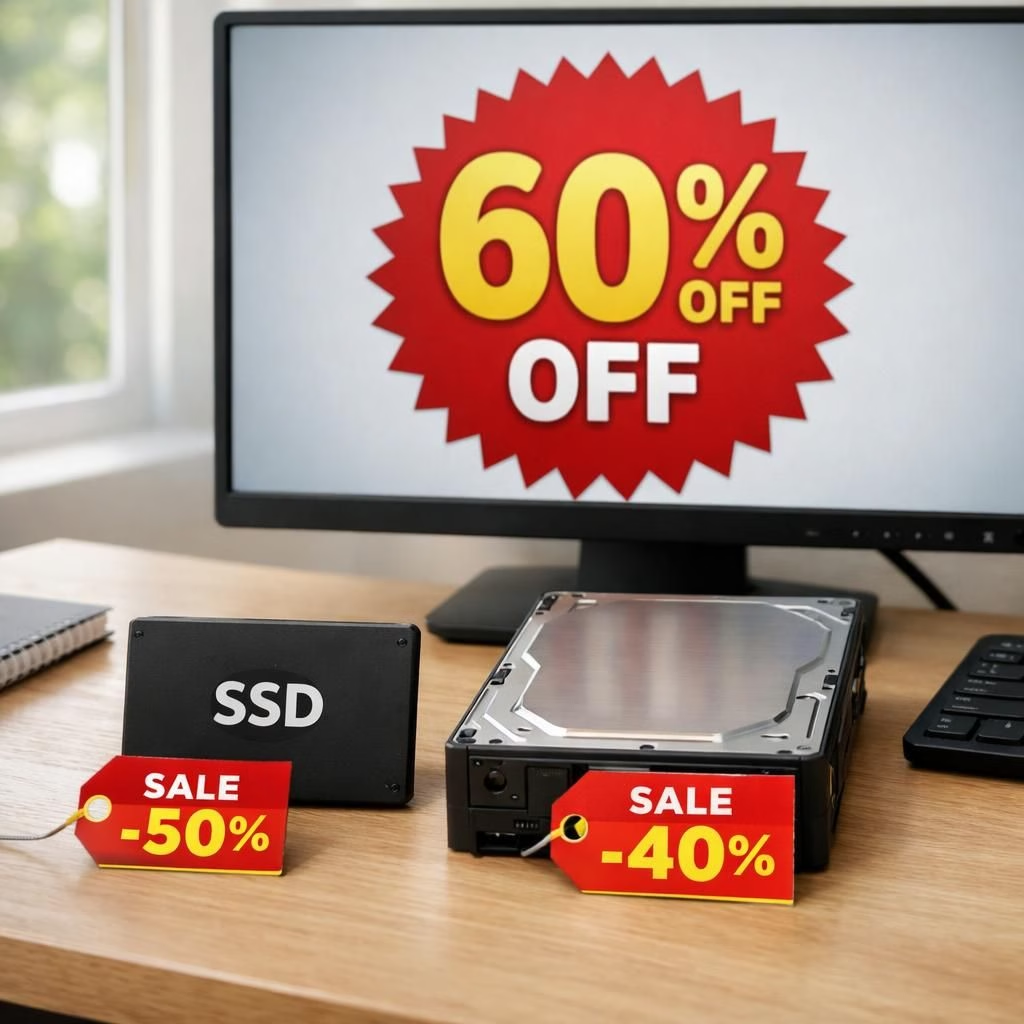
Spring arrived with more than pollen and brunch. The Amazon spring sale brings real SSD speedups and practical storage savings. If your computer could talk, it would beg for more storage and faster performance. The discounts roll through budgets, and they linger long enough to make you smile about storage upgrades. This piece keeps the focus on value, reliability, and a little humor to grease the gears of your shopping cart.
storage Savings Spotlight
The data-nerd in me loves a good chart, but you don’t need a whiteboard to feel the win. Amazon’s spring event features a wide range of SSD and HDD deals that fit both budget-minded students and power users. storage options range from tiny 256GB SSD drives to capacious 4TB HDDs, with bundles that pair faster SSD speed with a reliable hard drive anchor. The core idea is simple: you get faster boot times and snappier launches if you choose an SSD for your OS drive, and you gain massive capacity if you grab a big HDD for media and backups. The sale is real, practical, and a good nudge toward upgrading your setup without hemorrhaging cash.
SSD Deals Spotlight
SSD deals deserve their own spotlight because speed is a feature you notice every day. A modern SSD makes your system feel new—programs launch in a blink, file transfers feel like teleportation, and your morning routine of opening browsers becomes a calm, unhurried ritual. In this Amazon sale, you’ll see a mix of SATA and NVMe options, with pricing that often undercuts older generations. The trick is to balance capacity with endurance and warranty. If you edit 4K video or manage large game libraries, a 1TB or 2TB SSD becomes a price-to-performance dream. Storage metrics like read speeds, queue depth, and TBW matter less in marketing buzz and more in daily use, so read the specs, compare benchmarks, and pick a model that fits your workflow. And yes, stock levels drop as the clock ticks, but patience can yield even deeper discounts during the Big Spring sale window. For context on SSD performance, see Tom’s Hardware explainer.
For those who still juggle a large photo or video library, HDDs remain compelling. A well-placed HDD gives you raw capacity for backups and archives at a price that SSD-based speeds can’t beat on a per-gigabyte basis. The sale helps you diversify: keep your OS and apps on a fast SSD, but stash media on a capacity-driven HDD. The marketplace is competitive, and the result is a practical philosophy: buy smart, not simply smaller, because storage is not a luxury—it’s a productivity tool. If you’re deciding between 512GB and 2TB, consider use-case, not only price. A light user with casual documents may happily settle for a 256GB SSD plus a 2TB HDD; a power user will push toward 1TB NVMe or 2TB for speed and space. In all cases, Amazon’s sale is a friendly nudge toward a more comfortable setup, with SSD and HDD cohabiting in harmony.
Before you click Add to Cart, a few quick checks will keep your brain and wallet intact: verify the read/write speeds, confirm warranty terms, and confirm compatibility with your device. If you need help choosing, we’ve built a simple checklist you can print or save. And if you’re on a laptop with limited space, look for drives that fit the form factor, whether it’s 2.5-inch HDD or M.2 SSD. Remember, the sale is a moment; the benefits of a clean, fast storage setup last much longer. The goal is to optimize your system’s responsiveness while keeping your data safe, and to do so with a smile on your face.
Tell us what you think in the comments below—are you upgrading your storage this spring? Share your picks, your budget, and your own tips for squeezing more speed and space from your PC.
Original article attribution: PCMag article. Thank you to PCMag for the original coverage helping readers understand where these deals came from and why they matter.
SSD Essentials: Best Picks
For OS drives, a dependable SSD with good endurance and at least 1TB capacity offers a tangible speed boost. If you’re upgrading a laptop, look for 2.5-inch SSD that fit the chassis and leave room for cooling. For desktop builds, NVMe options deliver the most noticeable gains, especially with PCIe 4.0 or 5.0 models. Always check endurance ratings, warranty terms, and power efficiency; a longer warranty often means better software support and reliability.
Before you buy, consider your workload and ensure the drive fits your system’s power and thermal limits. The right SSD can be the difference between a sluggish machine and a fast, reliable setup.
FAQ
- Is an SSD worth it for a laptop OS drive? Yes. An SSD delivers faster boot times, snappier program launches, and better overall responsiveness compared with a traditional hard drive.
- How much storage do I need for photos and videos? It depends on your library size. A practical rule is to pair an OS drive with a larger HDD or SSD for media—think 1TB or 2TB for photos and videos, plus a smaller fast drive for active projects.
- Are HDDs still good value? Yes. HDDs offer cheaper per‑gigabyte capacity for backups, archives, and large media libraries, especially when paired with an SSD for system speed.
- Where can I learn more about SSD performance? See credible explainers like SSD performance.
Conclusion
Spring storage savings are real—and the best deals reward thoughtful buyers. Define your use case, pick an upgrade path that blends speed and capacity, and keep your data safe with sensible backups. If you want fresh ideas, share your setup and budget in the comments, or revisit the checklist to confirm you’re choosing the right drive for your needs.